Introduction to Non-Metal Detection
In the vast landscape of industrial automation, the ability to detect objects is fundamental. While metallic objects are commonly sensed using inductive proximity sensors, a significant challenge arises with non-metallic materials such as plastics, wood, glass, cardboard, and liquids. Detecting these materials requires different physical principles. Non-metal detection proximity sensors are specialized devices engineered to fulfill this critical role, enabling precise, contactless sensing of materials that do not conduct electricity or have magnetic properties. Their operation is pivotal in packaging, food and beverage, pharmaceutical, and woodworking industries, where process reliability hinges on the accurate detection of diverse materials.
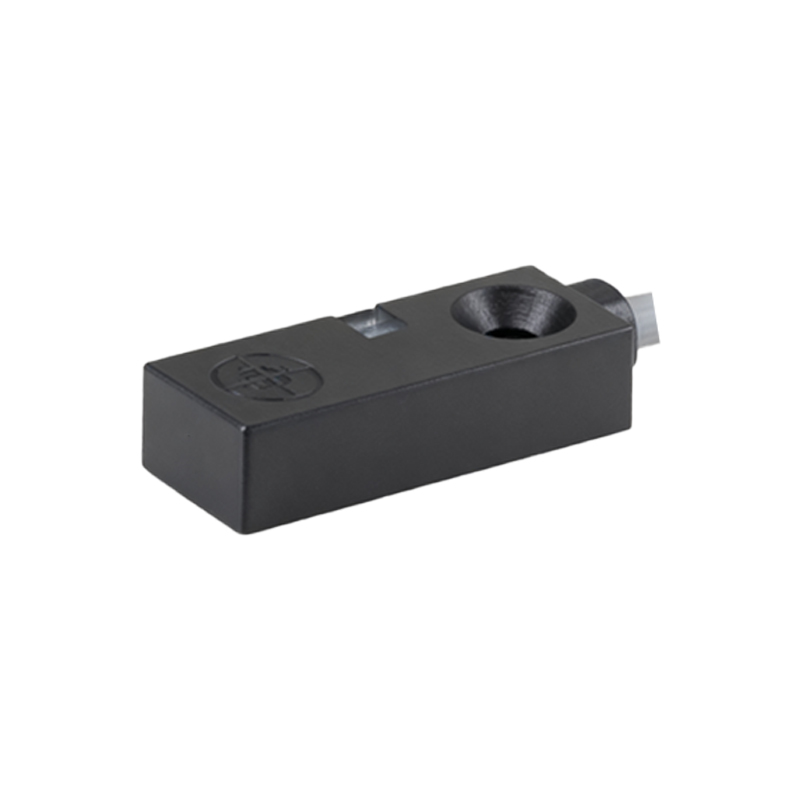
Core Operating Principles
The primary technology employed for non-metal detection is capacitive sensing. Unlike inductive sensors that generate an electromagnetic field to detect metals, a capacitive proximity sensor generates an electrostatic field. The sensor's active face and the detected object act as two electrodes of a capacitor. When a non-metallic object enters this electrostatic field, it causes a change in the dielectric constant between the electrodes. Even materials with low dielectric constants, like plastics, alter the capacitance of the system. The sensor's internal oscillator circuit detects this change in capacitance. Once the change surpasses a predefined threshold, the sensor's output state switches, signaling the presence of the object. This principle allows these sensors to detect virtually any material, including powders and transparent films, by adjusting their sensitivity.
Key Technologies and Sensor Types
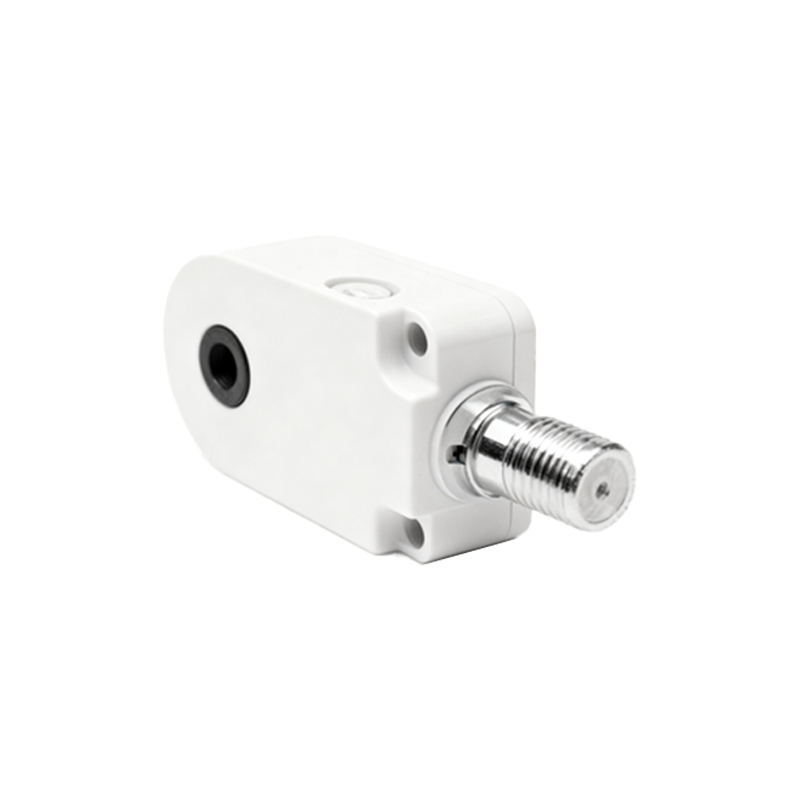
Modern capacitive sensors incorporate advanced features to enhance performance. A critical component is the guard or compensation electrode, which surrounds the sensing area. This feature focuses the electrostatic field forward, minimizing the influence of the mounting material (like a metal bracket) and preventing false triggers from side or background materials. Sensors are available in various housing styles (cylindrical, rectangular, block) and output types (PNP, NPN, analog, IO-Link). Analog output versions provide a continuous signal proportional to the distance or material thickness, useful for level detection. Furthermore, high-frequency models are designed to detect fast-moving objects on conveyor belts, while sensors with robust housings (e.g., PTFE coating) are essential for aggressive environments in chemical or food processing.
Critical Application Considerations
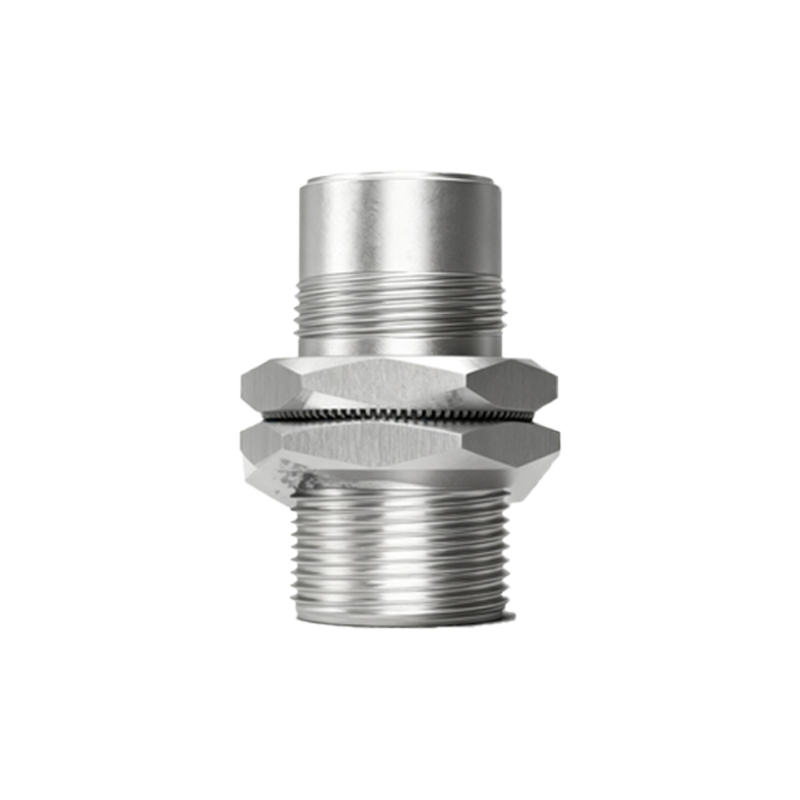
Successful implementation requires careful consideration of several factors. The dielectric constant of the target material is paramount; materials with higher constants (like water or glass) are easier to detect than those with lower constants (like certain plastics or dry wood). Sensor sensitivity adjustment is crucial to tune for the specific material while ignoring background interference. The mounting environment is also critical; sensors must be installed so that the sensing field is not influenced by surrounding machinery or containers. For liquid or granular solid level detection, the sensor is typically mounted outside a non-metallic tank wall, detecting the change in capacitance as the material rises to the sensing point. Understanding these factors ensures stable and reliable operation.
Industry-Specific Use Cases
The applications for non-metal detection sensors are extensive. In packaging, they verify the presence of plastic bottles, cardboard boxes, or labels on production lines. The food industry uses them to detect glass jars, plastic lids, and the fill level of liquids or food products in containers. In woodworking, they sense the passage of wooden panels for automated cutting or routing. Pharmaceutical manufacturing relies on them to detect plastic vials and blister packs. An emerging application is in recycling facilities, where sensors help sort different types of plastics based on their dielectric properties. Their versatility makes them indispensable for ensuring process continuity, quality control, and material handling efficiency.
Advantages and Limitations
The primary advantage of capacitive proximity sensors is their material versatility. A single sensor type can detect a wide array of non-metals, simplifying inventory and design. They offer non-contact, wear-free operation and can sense through certain non-metallic walls. However, limitations exist. Their sensing range is typically shorter than that of inductive sensors for metals. They can be influenced by environmental factors such as humidity, dust, or temperature fluctuations, which may affect the dielectric constant of air or the target. Highly conductive materials or contaminants (like water droplets) can cause false detections, necessitating proper shielding and installation practices.
Installation and Maintenance Best Practices
To optimize performance, follow key installation guidelines. Ensure a stable power supply with proper filtering to prevent electrical noise interference. Maintain the recommended clearance around the sensor (usually 1-2 times the sensor diameter) from surrounding metal or other objects to prevent field distortion. Use mounting brackets made of non-conductive materials when possible. During commissioning, power on the system with no target present and adjust the sensitivity potentiometer until the output just deactivates, then increase sensitivity slightly for reliable detection. Regular maintenance involves