Introduction to Photoelectric Sensor Testing
In the realm of industrial automation, the reliability of photoelectric sensors is paramount. These components serve as the critical "eyes" of a system, detecting the presence, absence, or position of objects without physical contact. A failure can lead to costly production line stoppages, quality defects, or even safety hazards. To ensure consistent performance and longevity, rigorous testing is essential. This is where the photoelectric sensor semi-automatic testing machine comes into play. It represents a sophisticated yet practical solution designed to bridge the gap between fully manual verification and high-volume, fully automated testing systems. This equipment is engineered to deliver precise, repeatable measurements of key sensor parameters, significantly enhancing quality control protocols in manufacturing and maintenance environments.
Core Functionality and Testing Parameters
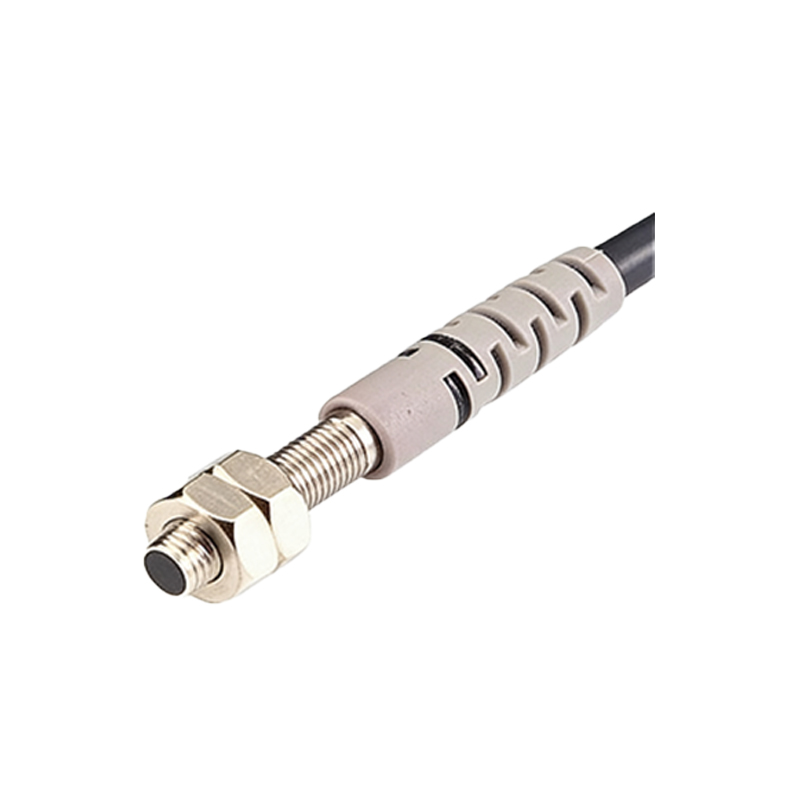
The primary function of a semi-automatic testing machine is to validate the operational integrity of photoelectric sensors under controlled, simulated real-world conditions. The machine typically consists of a stable mechanical frame, a programmable controller, standardized test targets, a calibrated light source (for simulating ambient conditions or testing opposed-mode sensors), and a precise measurement interface. Key parameters tested include sensing distance, response time, hysteresis, and output signal stability. For example, the machine can accurately measure the maximum effective detection range (the "switching distance") by moving a test target incrementally toward and away from the sensor under test. It simultaneously monitors the sensor's output to determine the exact point of activation and deactivation, calculating any hysteresis present. This data is crucial for applications requiring precise positional accuracy.
Advantages of the Semi-Automatic Approach
Adopting a semi-automatic testing machine offers several distinct advantages over purely manual methods. First and foremost is the dramatic improvement in testing consistency and repeatability. Human operators, while skilled, can introduce minor variations in procedure or judgment. The semi-automatic system standardizes the entire process, from fixture placement to data recording. Secondly, it greatly enhances testing efficiency and throughput. An operator can load a sensor, initiate the test sequence, and while the machine executes its precise movements and measurements, prepare the next unit. This parallel workflow reduces idle time. Furthermore, these machines often feature integrated data logging capabilities, automatically storing test results for traceability, statistical process control (SPC), and quality assurance documentation, eliminating manual transcription errors.
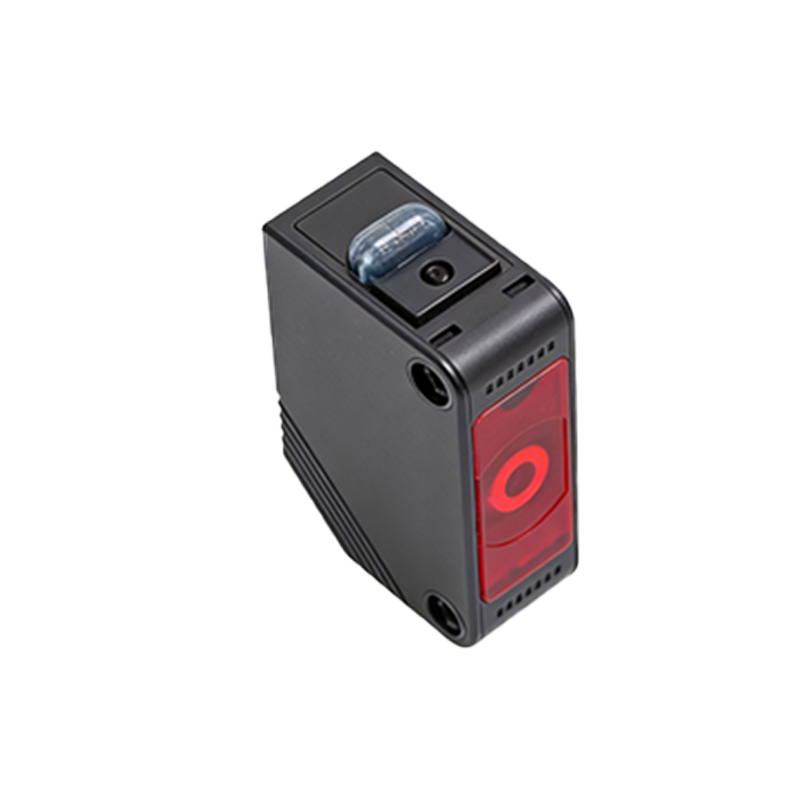
System Architecture and Key Components
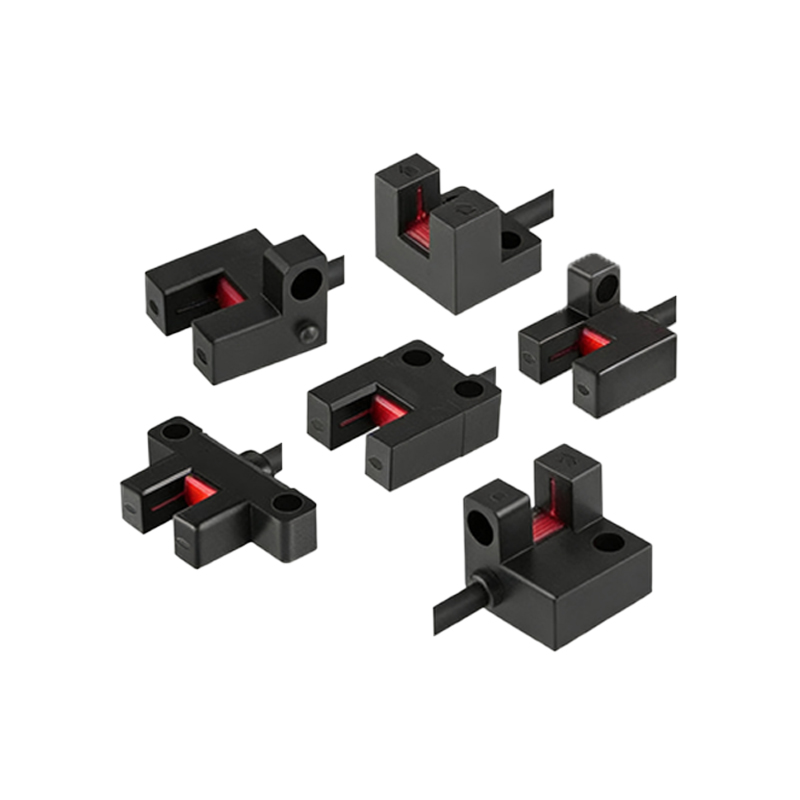
A robust semi-automatic tester is built around a modular architecture. The heart of the system is a programmable logic controller (PLC) or an industrial PC, which orchestrates the test sequence. It commands servo or stepper motors to control the linear actuator that moves the test target with micron-level precision. A high-quality optical bench or rail system ensures minimal vibration and deflection during movement. The fixture that holds the sensor under test is designed for quick changeover to accommodate different sensor housings (e.g., cylindrical, rectangular, slot-type). The measurement unit is critical, comprising precision analog-to-digital converters and input circuits to accurately read the sensor's switching signal and, in some cases, its analog current or voltage output. A user-friendly human-machine interface (HMI) allows for easy configuration of test limits and visualization of real-time results.
Integration into Quality Assurance Workflows
Implementing such a testing machine effectively requires thoughtful integration into existing quality assurance and production workflows. It is ideally suited for several scenarios: incoming inspection of sensor batches from suppliers, end-of-line testing in sensor manufacturing, and periodic recalibration and verification of sensors in field service or maintenance depots. The semi-automatic nature makes it flexible enough to handle varying batch sizes without the high capital expenditure of a fully automated line. By establishing clear pass/fail criteria within the machine's software, non-conforming units can be immediately flagged. The collected data provides invaluable feedback for design improvements and helps identify potential failure trends in specific sensor models or from particular production lots, enabling proactive quality management.
Future Trends and Technological Evolution
The evolution of photoelectric sensor semi-automatic testers is closely tied to advancements in Industry 4.0 and smart manufacturing. Future iterations are expected to feature enhanced connectivity, seamlessly integrating with Manufacturing Execution Systems (MES) and enterprise resource planning (ERP) software via OPC UA or MQTT protocols. This will enable real-time quality dashboards and predictive maintenance for the test equipment itself. Additionally, the integration of machine vision systems could allow for automated visual inspection of sensor alignment and housing integrity as part of the test cycle. Artificial intelligence algorithms may be employed to analyze historical test data, optimizing test parameters dynamically or predicting sensor lifespan based on performance degradation patterns. The core principle will remain—ensuring sensor reliability—but the tools will become increasingly intelligent and interconnected.
Conclusion and Industry Impact
The photoelectric sensor semi-automatic testing machine is an indispensable tool for modern industrial operations that depend on flawless automation. It strikes an optimal balance between capital investment, operational flexibility, and technical rigor. By providing objective, quantifiable, and documented verification of sensor performance, it empowers manufacturers and maintenance teams to uphold the highest standards of system reliability. As sensors become more sophisticated with features like IO-Link communication and advanced diagnostics, the testing equipment will similarly evolve to validate these new capabilities. Investing in such precision testing technology is not merely a cost of quality control; it is a strategic investment in preventing downtime, ensuring product quality, and maintaining a competitive edge in an increasingly automated industrial landscape.