Introduction to Photoelectric Sensor Mounting Solutions
In the realm of industrial automation, the precise and reliable detection of objects is paramount. Photoelectric sensors serve as the eyes of a system, but their effectiveness is heavily dependent on proper mounting and alignment. A fixed rotation bracket is a critical accessory designed to address this need. This specialized hardware provides a stable, adjustable platform for mounting photoelectric sensors, enabling fine-tuning of the sensing beam's angle and position. Unlike simple fixed mounts, these brackets incorporate a rotational mechanism, typically featuring a locking pivot point, which allows technicians to swivel the sensor head within a defined arc after initial installation. This capability is invaluable for compensating for minor misalignments, accommodating different target sizes or positions, and simplifying maintenance and recalibration procedures. The design ensures that once the optimal sensing angle is achieved, it can be securely locked in place to prevent vibration-induced drift, guaranteeing consistent performance in demanding environments.
Key Design Features and Construction
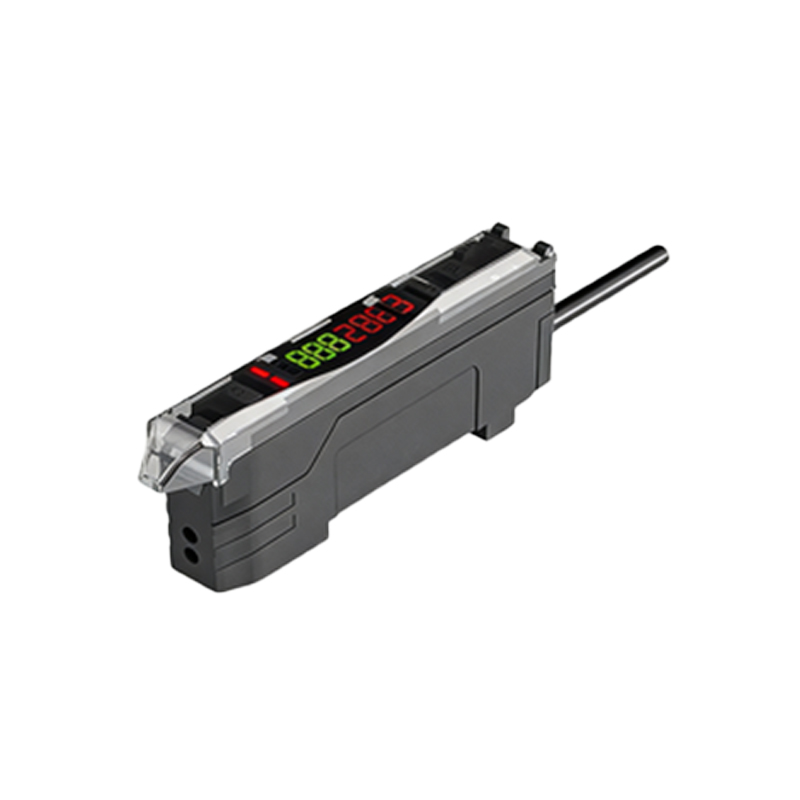
A high-quality photoelectric sensor fixed rotation bracket is engineered for durability, precision, and versatility. The core component is the bracket body, usually fabricated from robust materials such as die-cast zinc, stainless steel, or reinforced engineering plastics. These materials offer excellent resistance to corrosion, impact, and environmental factors like oil, dust, and moisture commonly found in factories. The central pivot joint is the heart of the design, often incorporating a precision-machined bolt and a serrated or friction-based locking mechanism. This allows for smooth, incremental rotation—often with degree markings for repeatability—and firm locking without damaging the sensor housing. The bracket will feature standardized mounting holes, compatible with common sensor models and offering flexibility for panel, rail, or machine surface installation. Many designs also include slotted holes or elongated arms, providing additional lateral or longitudinal adjustment, creating a fully adjustable mounting solution in multiple axes.
Primary Applications in Industrial Settings
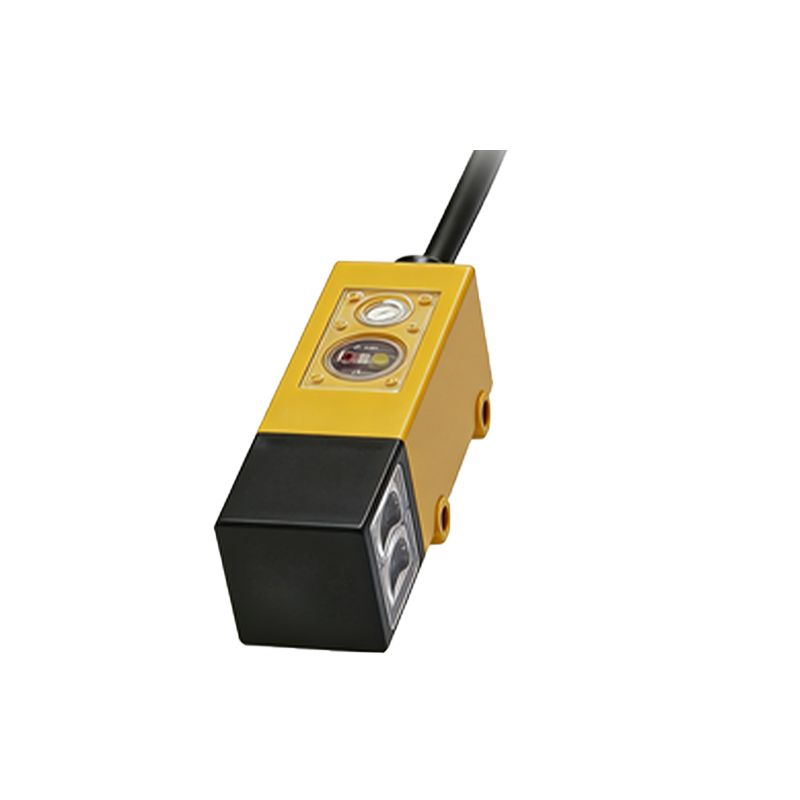
The application of fixed rotation brackets spans virtually all industries utilizing automation. In packaging machinery, they are used to adjust sensors for detecting differently sized boxes on a conveyor, ensuring the beam strikes the optimal spot regardless of package height. Within automotive assembly lines, these brackets facilitate the precise alignment of sensors for part presence verification or robot guidance, where tolerances are extremely tight. Material handling systems benefit greatly, as brackets allow quick realignment of sensors monitoring pallet height, container position, or object transfer points, minimizing downtime during changeovers. They are also essential in complex 3D sensing applications, such as on robotic arms or gantries, where the sensor's angle relative to the target may need periodic optimization due to mechanical wear or new product introductions. The ability to make fine adjustments on-site without replacing the entire mount saves significant time and cost.
Advantages Over Fixed Mounting Systems
Utilizing a fixed rotation bracket presents distinct operational advantages compared to rigid, non-adjustable mounts. The most significant benefit is enhanced installation and alignment efficiency. Technicians can roughly position the sensor and then use the rotational adjustment to "sweep" for the optimal signal, drastically reducing setup time. This leads to improved system accuracy and reliability, as the sensor can be perfectly aligned to the target, maximizing signal strength and minimizing false triggers from background objects. Maintenance procedures are simplified; if a machine component is slightly moved or replaced, the sensor can be realigned without loosening its base mount, preserving its overall positional reference. Furthermore, inventory management becomes easier, as a single bracket model can often accommodate a range of sensor sizes and applications, reducing the variety of mounting hardware that needs to be stocked.
Critical Selection Criteria for Engineers
Selecting the appropriate fixed rotation bracket requires careful consideration of several technical parameters. First, assess the load capacity and material compatibility. The bracket must securely hold the weight and size of the specific sensor model and be constructed from a material suitable for the operating environment (e.g., stainless steel for washdown areas). The range of rotation is crucial; ensure it offers sufficient angular adjustment (commonly 180 to 360 degrees) for the application. The locking mechanism's design and torque rating should provide a secure hold that can withstand operational vibrations without slipping. Compatibility with the installation surface (e.g., DIN rail, M4/M6 threaded holes) and the sensor's own mounting pattern must be verified. Finally, consider any special requirements, such as IP rating for dust/water ingress protection, chemical resistance, or certifications for use in hazardous locations. Consulting the sensor manufacturer's recommendations for compatible brackets is always a prudent step.
Installation Best Practices and Maintenance
Proper installation is key to leveraging the full benefits of a rotation bracket. Begin by securely fastening the base of the bracket to a solid, vibration-free surface using the recommended hardware. Attach the photoelectric sensor to the bracket's platform, ensuring all connections are tight but not over-torqued. Before powering the system, loosen the rotation lock and manually position the sensor in the approximate required direction. With the system active, carefully rotate the sensor while monitoring its output signal (often via an LED indicator or PLC input) until optimal detection is confirmed. Tighten the locking mechanism firmly according to the manufacturer's specification. Periodically, as part of preventive maintenance, inspect the bracket for signs of physical damage, corrosion, or loosening of the lock. Verify that the sensor's alignment has not drifted, especially after periods of high vibration or impact. A well-maintained bracket will ensure long-term, reliable sensor performance.
Future Trends and Integration
The evolution of fixed rotation brackets mirrors advancements in sensor technology and Industry 4.0. Future designs may incorporate smart features, such as integrated position encoders to digitally record the exact rotation angle for automated systems and predictive maintenance logs. Materials science will yield lighter yet stronger composites, and designs will become more modular for faster integration with collaborative robots and mobile automation platforms. The fundamental purpose, however, will remain: to provide a simple, mechanical solution for achieving and maintaining the precise alignment that is the foundation of accurate photoelectric sensing. As sensors become more sophisticated, the humble adjustable bracket will continue to be an indispensable tool in the automation engineer's arsenal, bridging the gap between electronic perception and physical installation.