Introduction to Ultra-Compact Proximity Sensors
In the rapidly evolving landscape of industrial automation, the demand for smaller, more efficient components has never been higher. Ultra-compact proximity sensors represent a significant leap forward in sensing technology. These miniature devices are designed to detect the presence or absence of objects without physical contact, utilizing electromagnetic fields, light, or sound. Their reduced size allows for installation in space-constrained applications where traditional sensors cannot fit, enabling more flexible and intricate machine designs. Despite their small footprint, they deliver robust performance, making them indispensable in modern manufacturing, robotics, and electronics assembly lines.
Core Technologies and Operating Principles
Ultra-compact proximity sensors primarily operate on three core technologies: inductive, capacitive, and photoelectric sensing. Inductive sensors generate an electromagnetic field to detect metallic objects, making them ideal for metal detection in harsh environments. Capacitive sensors can detect both metallic and non-metallic materials by measuring changes in capacitance, suitable for liquid level sensing or plastic object detection. Photoelectric sensors use light beams to identify objects, offering long-range detection capabilities. The miniaturization of these technologies involves advanced microelectronics and precision engineering, ensuring high sensitivity and reliability while consuming minimal power.
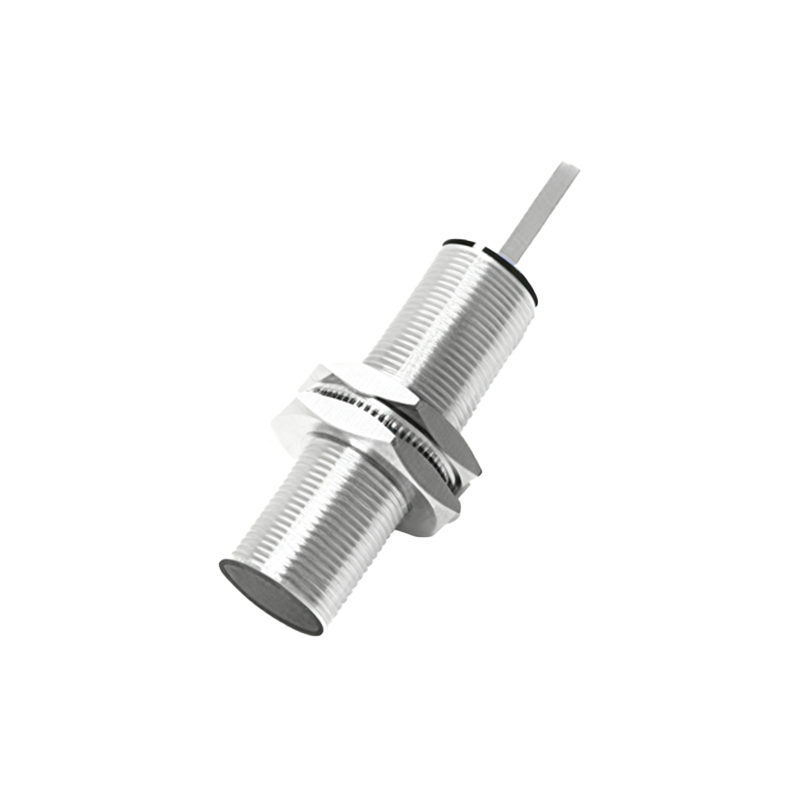
Key Advantages in Industrial Applications
The primary benefit of ultra-compact proximity sensors lies in their space-saving design, which facilitates integration into compact machinery and tight enclosures. This allows for higher density installations, improving system functionality without increasing the overall size. Additionally, their low power consumption reduces energy costs and heat generation, enhancing operational efficiency. These sensors also offer fast response times, often in the microsecond range, enabling high-speed automation processes. Their durability is another standout feature, with many models featuring rugged housings that resist dust, moisture, and mechanical shocks, ensuring longevity in demanding conditions.
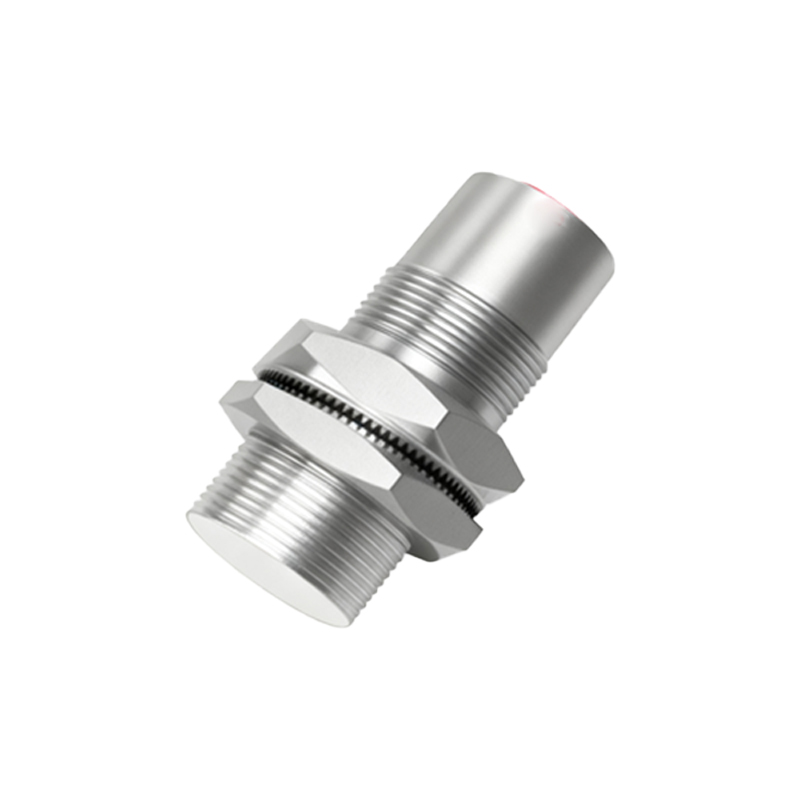
Implementation Challenges and Solutions
While ultra-compact proximity sensors offer numerous advantages, their implementation can present challenges. One common issue is interference from adjacent sensors or electrical noise, which may cause false readings. To mitigate this, manufacturers incorporate shielding techniques and advanced filtering algorithms. Another challenge is the limited sensing range due to the small size, but this is often addressed by optimizing sensor design and using high-gain amplifiers. Installation precision is also critical, as misalignment can affect performance. Solutions include built-in alignment indicators and user-friendly mounting options. Regular calibration and maintenance are recommended to sustain accuracy over time.
Future Trends and Innovations
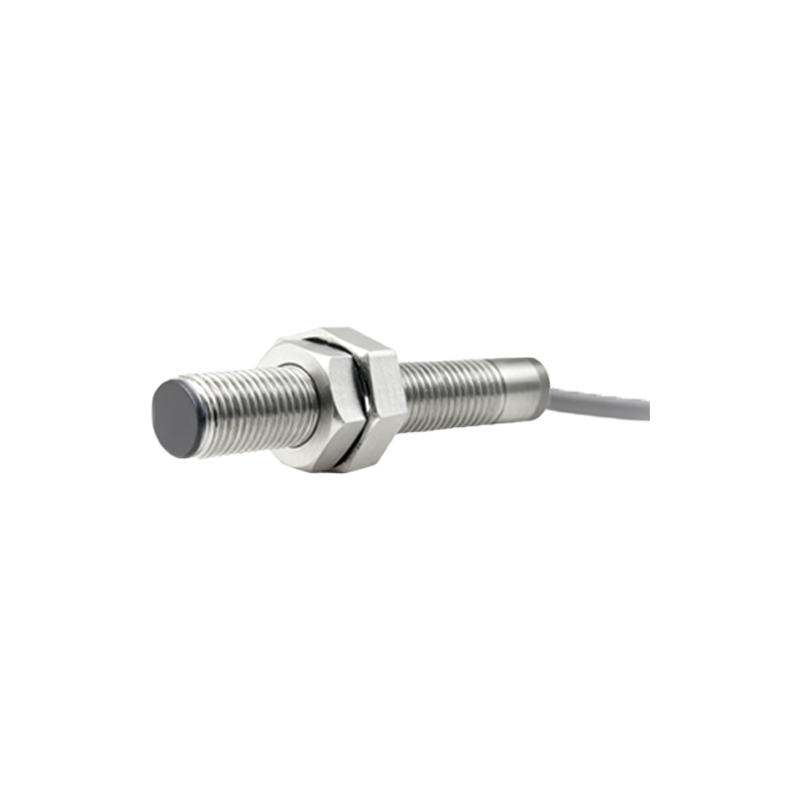
The future of ultra-compact proximity sensors is driven by trends such as the Internet of Things (IoT) and Industry 4.0. Next-generation sensors are increasingly incorporating smart features like wireless connectivity and embedded diagnostics, allowing for real-time monitoring and predictive maintenance. Advances in materials science may lead to even smaller sensors with enhanced capabilities, such as multi-object detection or environmental sensing. Additionally, the integration of artificial intelligence could enable adaptive sensing, where sensors automatically adjust parameters based on application needs. As industries continue to prioritize efficiency and miniaturization, these innovations will further expand the role of ultra-compact sensors in automation.
Selection Guidelines for Optimal Performance
Choosing the right ultra-compact proximity sensor requires careful consideration of several factors. First, identify the target material—metallic or non-metallic—to select between inductive, capacitive, or photoelectric types. Next, assess the required sensing distance and environmental conditions, such as temperature extremes or exposure to chemicals. The sensor's output type (e.g., digital or analog) should match the control system interface. It's also important to evaluate the housing material and ingress protection rating for durability. Consulting manufacturer datasheets and performing on-site tests can help ensure compatibility and optimal performance in specific applications.