Introduction to Proximity Switch Sensors
Proximity switch sensors are essential components in modern industrial automation, widely used for detecting the presence or absence of objects without physical contact. These devices rely on electromagnetic fields, optical signals, or ultrasonic waves to sense targets, offering high reliability and durability in harsh environments. Understanding the key components of a proximity sensor is crucial for engineers and technicians to ensure optimal performance and maintenance. This article delves into the core parts that make up these sensors, explaining their roles and interactions within the system.
Oscillator Circuit
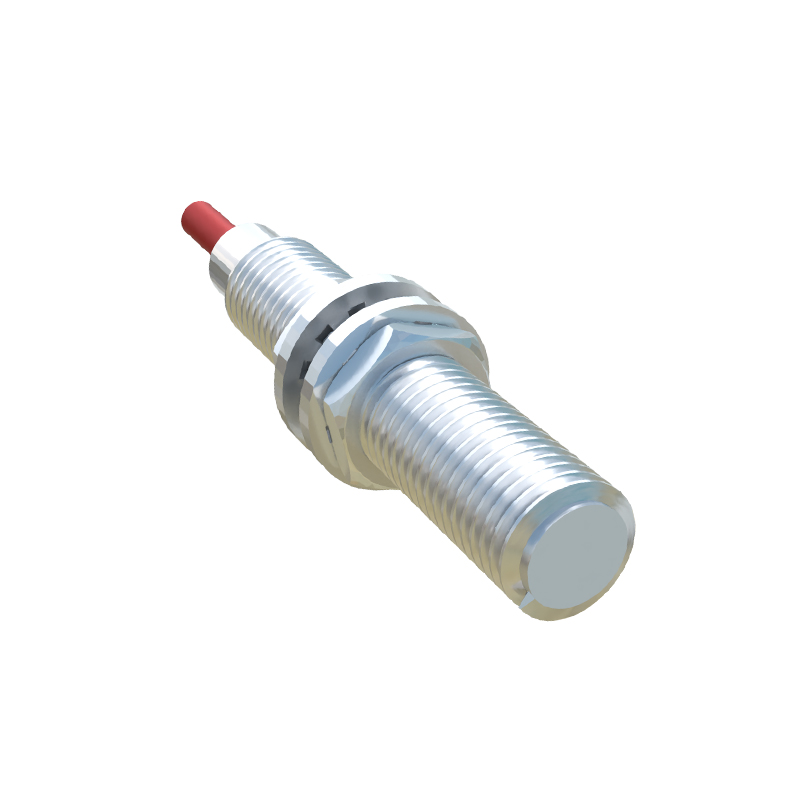
At the heart of most inductive and capacitive proximity sensors lies the oscillator circuit. This component generates a high-frequency electromagnetic field that extends from the sensor's sensing face. When a metallic or dielectric object enters this field, it causes changes in the oscillation amplitude or frequency. The oscillator typically consists of a coil and capacitor arrangement, tuned to produce stable oscillations. Its design directly influences the sensor's sensing range and sensitivity, making it a critical element for accurate detection in applications like machine tool positioning or conveyor systems.
Detection Circuit
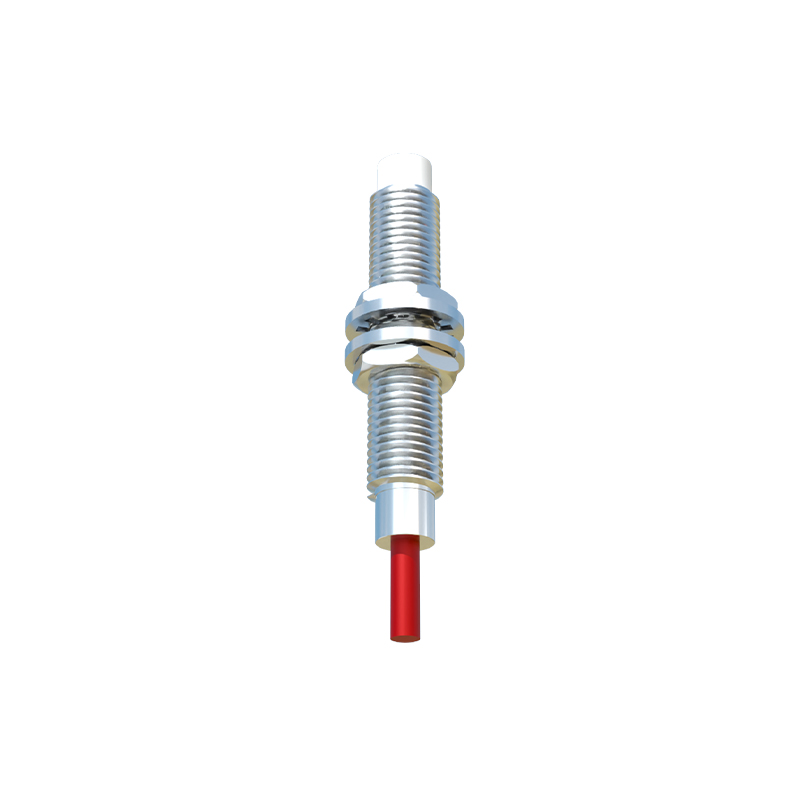
The detection circuit works in tandem with the oscillator to monitor changes in the electromagnetic field. It processes signals from the oscillator, converting variations into electrical outputs. This circuit often includes amplifiers and comparators to enhance signal strength and distinguish between target presence and background noise. In advanced sensors, the detection circuit may incorporate digital signal processing (DSP) chips for improved accuracy and response time. This component ensures that the sensor can reliably detect objects even in environments with electrical interference or temperature fluctuations.
Output Stage
Once the detection circuit identifies a target, the output stage translates this information into a usable signal. Common output types include transistor-based switches (NPN or PNP), analog voltage, or current outputs (e.g., 4-20 mA). The output stage often features protection mechanisms against overloads, short circuits, and reverse polarity. In programmable sensors, this component may include microcontrollers for configuring output behavior, such as switching delays or hysteresis settings. This stage is vital for interfacing with control systems like PLCs or relays, enabling seamless integration into automated processes.
Housing and Sensing Face
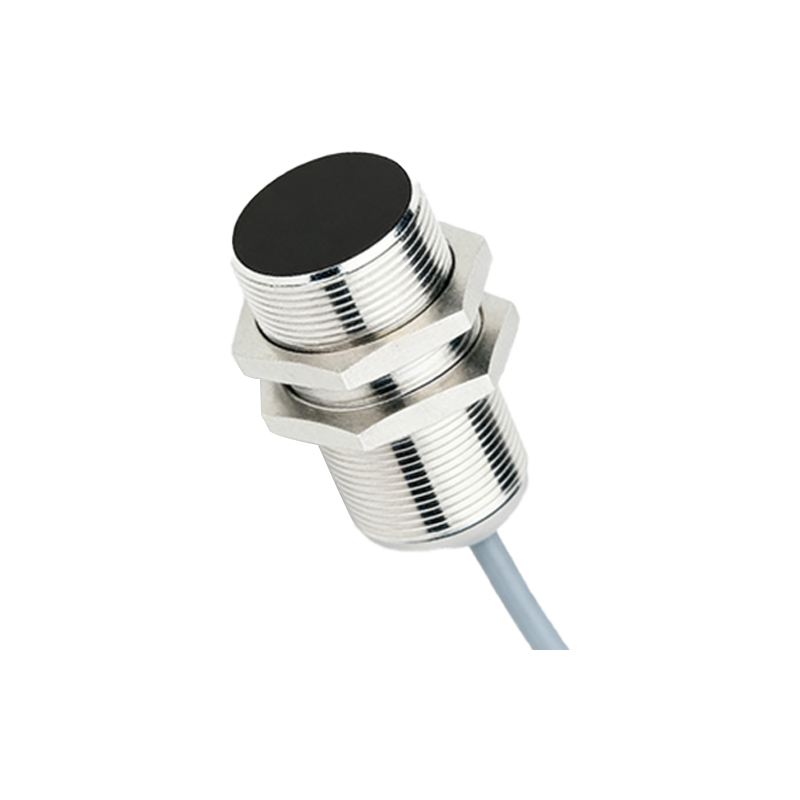
The housing encloses and protects the internal electronic components from environmental factors such as dust, moisture, and mechanical impact. Typically made from materials like stainless steel, brass, or plastic polymers, it ensures durability in industrial settings. The sensing face, usually located at the front of the housing, is designed to optimize the emission and reception of sensing signals. Its construction may include shielding to reduce electromagnetic interference or special coatings for chemical resistance. Proper housing design enhances the sensor's lifespan and reliability in demanding applications like automotive manufacturing or food processing.
Connection Interface
The connection interface facilitates wiring between the sensor and external devices. It commonly includes cable outlets or connector plugs (e.g., M8 or M12 types), which provide secure electrical connections. This component often incorporates strain relief features to prevent cable damage from vibration or pulling. In some models, the interface may include LED indicators for status monitoring, such as power-on or detection signals. A robust connection interface is essential for maintaining signal integrity and reducing downtime in high-vibration environments like robotics or packaging machinery.
Power Supply Unit
Proximity sensors require a stable power supply to operate effectively. The power supply unit regulates input voltage (typically 10-30 V DC) to levels suitable for internal circuits. It may include filtering components to suppress electrical noise and ensure consistent performance. In energy-efficient designs, this unit minimizes power consumption, making sensors suitable for battery-operated systems. Proper power management extends sensor life and prevents malfunctions caused by voltage spikes or drops, which is critical in applications like material handling or assembly lines.
Conclusion on Component Integration
Each component in a proximity switch sensor plays a specific role, from generating sensing fields to delivering output signals. The oscillator, detection circuit, output stage, housing, connection interface, and power supply unit work together to provide non-contact detection capabilities. Engineers must consider these parts when selecting or maintaining sensors for industrial use. By understanding their functions, professionals can troubleshoot issues, optimize system performance, and ensure safety in automated environments. As technology advances, components continue to evolve, offering features like IoT connectivity and enhanced durability for future applications.