Introduction to Photoelectric Sensing in Vacuum Environments
Photoelectric sensors are indispensable components in modern industrial automation and scientific research, particularly within vacuum chamber applications. These sensors operate on the principle of detecting changes in light intensity, typically using an emitter and a receiver. In a vacuum environment, their role becomes even more critical due to the absence of atmospheric interference, which can otherwise scatter or absorb light. The core function remains the detection of objects, measurement of distances, or monitoring of processes without physical contact. This non-contact nature is paramount in vacuum systems where contamination from particulates or outgassing must be rigorously avoided. The transition from standard atmospheric operation to a vacuum-compatible design involves significant engineering considerations to ensure reliability, accuracy, and longevity under extreme conditions.
Key Design Challenges and Material Selection
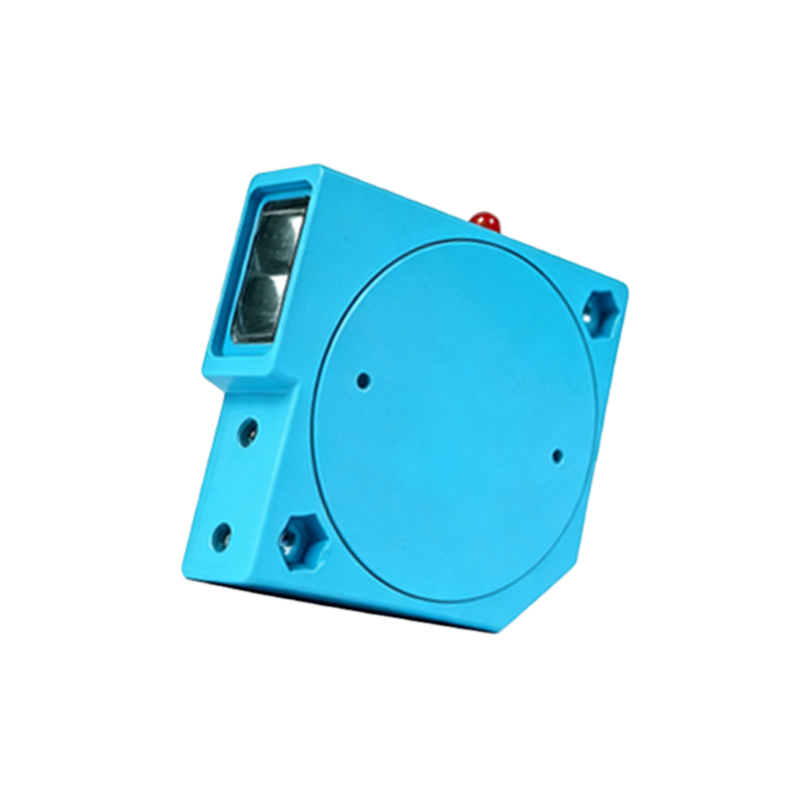
Designing photoelectric sensors for vacuum chambers presents unique challenges not encountered in ambient conditions. The primary concern is material compatibility. Every component, from the sensor housing and lens to internal wiring and solder, must have low outgassing properties. Materials like standard plastics or certain elastomers can release volatile organic compounds (VOCs) under vacuum, contaminating the chamber and potentially coating optical surfaces, leading to signal degradation. Preferred materials include specific grades of stainless steel, aluminum alloys, ceramics, and vacuum-rated glasses or sapphire for lenses. Furthermore, the sensor must be hermetically sealed to maintain the vacuum integrity of the chamber. Any internal voids or non-vacuum-compatible adhesives can trap gases, causing slow leaks or bursts during pump-down cycles, compromising the entire system's vacuum level.
Thermal Management and Heat Dissipation
Thermal management is a critical, often overlooked, aspect of vacuum-compatible photoelectric sensors. In an atmospheric environment, convection cooling plays a major role in dissipating heat generated by the sensor's light source (often an LED or laser diode) and electronics. In a vacuum, this convective cooling path is eliminated, leaving only conduction and radiation as heat transfer mechanisms. Without proper design, components can overheat, leading to wavelength drift in the light source, reduced operational lifespan, or complete failure. Engineers must incorporate efficient thermal pathways, such as using thermally conductive materials for mounting and designing the sensor body to act as a heat sink that radiates energy effectively. In high-power applications, active cooling through chilled water lines or thermoelectric coolers integrated into the sensor mount may be necessary.
Optical Performance and Signal Integrity
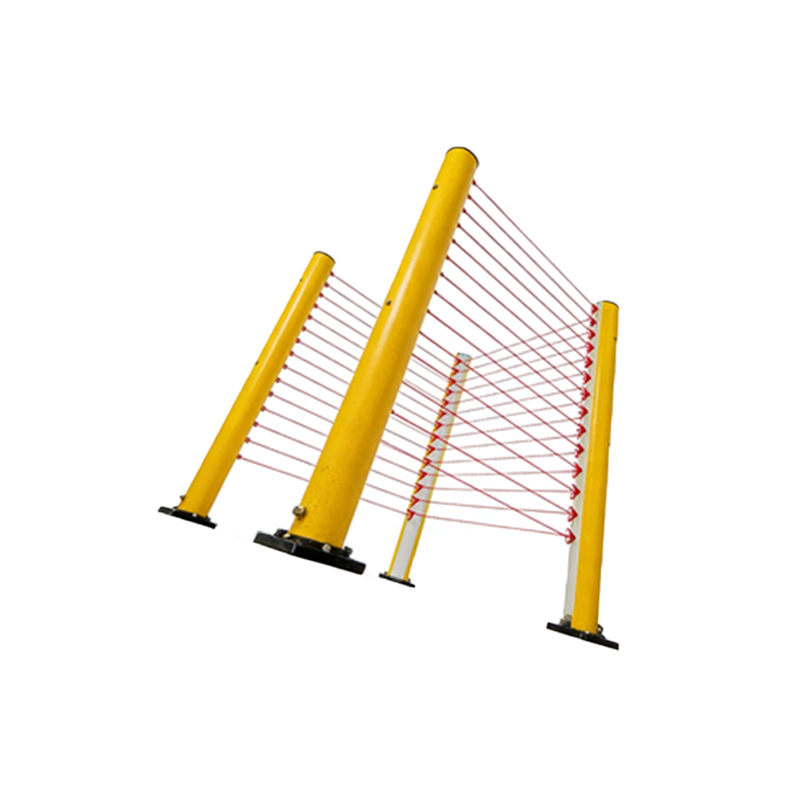
The optical performance of a photoelectric sensor in a vacuum can be superior to its atmospheric counterpart, primarily due to the lack of air. Without atmospheric absorption and scattering, light beams can travel longer distances with less attenuation and maintain better collimation. This allows for potentially longer sensing ranges and higher precision. However, this advantage is contingent upon impeccable optical surface cleanliness. Contaminants on the emitter or receiver lens have a more pronounced effect. Additionally, the choice of light source wavelength is crucial. Infrared (IR) light is commonly used, but certain vacuum processes, such as thin-film deposition or plasma etching, may emit specific light spectra that can interfere with the sensor. Selecting a wavelength that avoids this process emission, or using modulated light signals with synchronous detection, is essential for maintaining robust signal integrity and noise immunity.
Electrical Integration and Feedthrough Considerations
Integrating the electrical components of a photoelectric sensor into a vacuum chamber requires specialized hardware known as feedthroughs. These are hermetic seals that allow electrical conductors to pass from the atmospheric side into the vacuum side without breaching the seal. The sensor's power and signal cables must be connected via these feedthroughs. Choices include multi-pin electrical feedthroughs or, for digital communication, vacuum-rated Ethernet or serial feedthroughs. Shielding is paramount to prevent electromagnetic interference (EMI) from affecting the sensitive analog signals from the receiver, especially in chambers with high-voltage or RF sources. Furthermore, the sensor's internal electronics must be designed to operate reliably in a potential partial pressure environment and withstand bake-out cycles, where the entire chamber is heated to high temperatures to drive off adsorbed gases.
Application-Specific Configurations and Use Cases
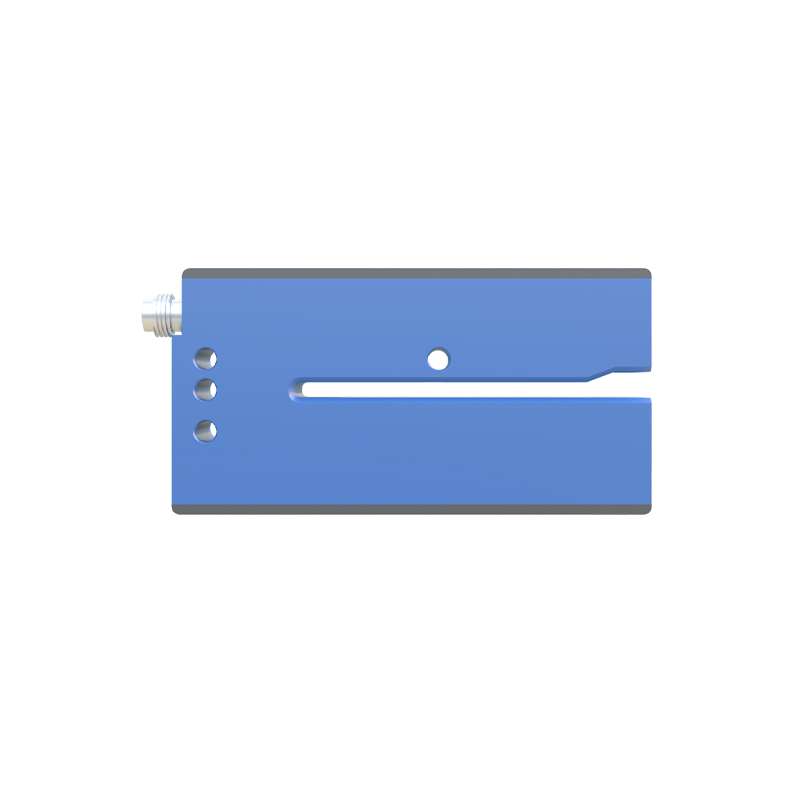
The configuration of a photoelectric sensor is highly dependent on its specific application within the vacuum chamber. Common setups include through-beam, retro-reflective, and diffuse-reflective modes. Through-beam sensors, with separate emitter and receiver units, offer the longest range and highest reliability for detecting objects like wafers or substrates on a transfer arm. Retro-reflective sensors use a single unit and a reflector, suitable for monitoring the position of a gate valve or a shutter. Diffuse-reflective sensors detect objects directly and are used for proximity sensing or counting. In semiconductor manufacturing, sensors monitor wafer presence in load locks or process stations. In research accelerators or fusion devices, they might detect the position of diagnostic probes or sample holders. Each use case dictates the required sensing distance, response time, and environmental hardening.
Installation, Calibration, and Maintenance Protocols
Proper installation is the foundation of reliable sensor operation. Mounting must provide both mechanical stability and an effective thermal conduction path. Alignment of through-beam or retro-reflective sensors is critical and often more challenging than in open air due to limited access ports. Initial calibration involves setting the sensitivity threshold to account for the actual background signal in the vacuum, which differs from atmospheric testing. Maintenance protocols are primarily preventative. Given the difficulty of accessing sensors inside an operational vacuum system, reliability is designed-in. However, periodic checks during chamber venting should include visual inspection of optical windows for contamination, verification of mechanical integrity, and functional testing. Any cleaning of optical surfaces must use vacuum-compatible, non-residue-leaving solvents and lint-free wipes to prevent introducing new contaminants.
Future Trends and Advanced Technologies
The future of photoelectric sensing in vacuum environments is moving towards greater integration, intelligence, and miniaturization. Sensors with embedded microprocessors capable of onboard diagnostics, temperature compensation, and digital communication (like IO-Link) are becoming more prevalent. These "smart sensors" can report their health status and even predict maintenance needs, which is invaluable for minimizing system downtime. Furthermore, advancements in fiber-optic technology allow the sensitive electronics to remain outside the vacuum chamber, with only the ruggedized optical tip inside, simplifying thermal and material challenges. The development of sensors using laser-based time-of-flight (ToF) principles for precise distance measurement in vacuum is also accelerating, enabling new levels of process control in nanofabrication and advanced material science research.