Introduction to Taixing Photoelectric Sensors
Taixing photoelectric sensors represent a cornerstone technology in modern industrial automation, offering unparalleled precision in detection and measurement tasks. These devices operate on the fundamental principle of converting light signals into electrical outputs, enabling non-contact sensing of objects, distances, and surface conditions. Engineered for robustness, Taixing sensors are built to withstand harsh industrial environments, including exposure to dust, moisture, and temperature fluctuations. Their design incorporates advanced optical components and signal processing circuits, ensuring consistent performance across diverse applications. From manufacturing lines to packaging systems, these sensors provide critical data that drives efficiency, safety, and quality control in automated processes.
Core Technologies and Operating Principles
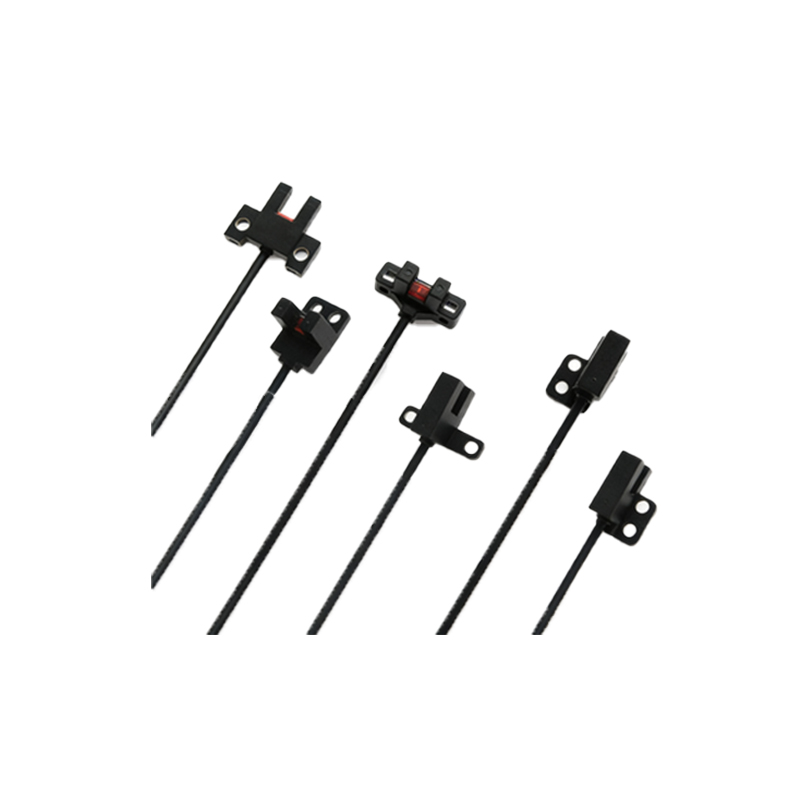
The functionality of Taixing photoelectric sensors hinges on three primary technologies: through-beam, retro-reflective, and diffuse reflection modes. In through-beam systems, a separate emitter and receiver are aligned; an object is detected when it interrupts the light beam. This mode offers the longest sensing ranges and high reliability. Retro-reflective sensors use a single unit that emits light toward a reflector, detecting objects that block the reflected beam. Diffuse reflection sensors, the most common type, rely on light bouncing off the target itself, making them ideal for close-range applications. Taixing integrates these modes with modulated infrared or visible LED light sources to minimize ambient light interference, coupled with digital or analog outputs for seamless integration into control systems.
Key Features and Performance Specifications
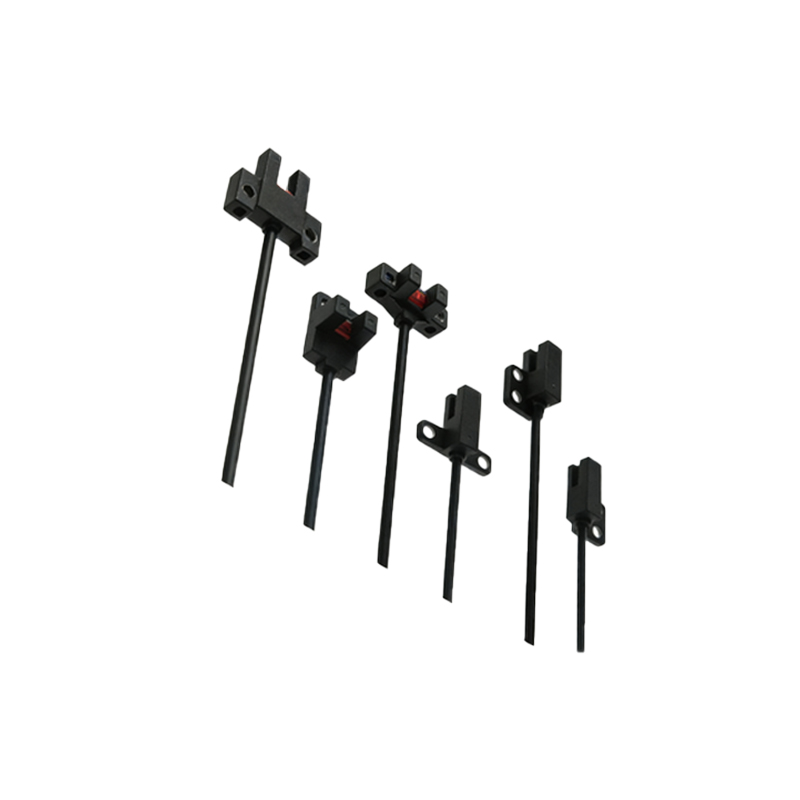
Taixing photoelectric sensors are distinguished by their high-performance specifications, which include sensing distances ranging from a few millimeters to several meters, depending on the model and mode. Response times are typically in the microsecond range, allowing for high-speed detection in fast-paced production environments. Many models feature adjustable sensitivity, enabling fine-tuning for specific materials or colors. Enclosures are often constructed from durable materials like stainless steel or ABS plastic, with IP67 or higher ingress protection ratings for resistance to water and dust. Additional features may include built-in timers, logic functions, and diagnostic indicators, enhancing their versatility and ease of use in complex automation setups.
Applications Across Industrial Sectors
In automotive manufacturing, Taixing sensors are deployed for part presence verification, robot guidance, and assembly line monitoring. The food and beverage industry utilizes them for bottle cap detection, fill level control, and packaging integrity checks, with models designed for washdown environments. In logistics and material handling, these sensors facilitate object counting, conveyor belt control, and pallet positioning. Electronics production relies on their precision for PCB board inspection and component placement. Their non-contact nature makes them ideal for detecting fragile or sensitive items without risk of damage, contributing to reduced downtime and improved operational safety across sectors.
Installation and Maintenance Best Practices
Proper installation is crucial for optimal sensor performance. Mounting should ensure stable alignment, free from vibrations that could cause misreading. Environmental factors such as ambient light, reflective backgrounds, or airborne particles must be considered during placement; using polarized filters or background suppression techniques can mitigate false triggers. Regular maintenance involves cleaning lenses with soft, lint-free cloths to prevent residue buildup that attenuates light signals. Electrical connections should be checked for corrosion or looseness, and output signals verified periodically against expected values. Taixing provides detailed datasheets and guidelines to support correct implementation, extending sensor lifespan and reliability.
Advantages Over Alternative Sensing Technologies
Compared to inductive or capacitive sensors, Taixing photoelectric sensors offer distinct advantages, including the ability to detect non-metallic objects such as plastics, glass, and liquids. They provide longer sensing ranges and faster response times than many mechanical switches. Unlike vision systems, they are simpler to install and require less computational power, making them cost-effective for straightforward detection tasks. Their versatility in detecting various colors, contrasts, and transparencies adds to their superiority in applications where other sensors might fail. By combining high accuracy with durability, Taixing models deliver a compelling return on investment through enhanced process efficiency and reduced maintenance needs.
Future Trends and Innovations
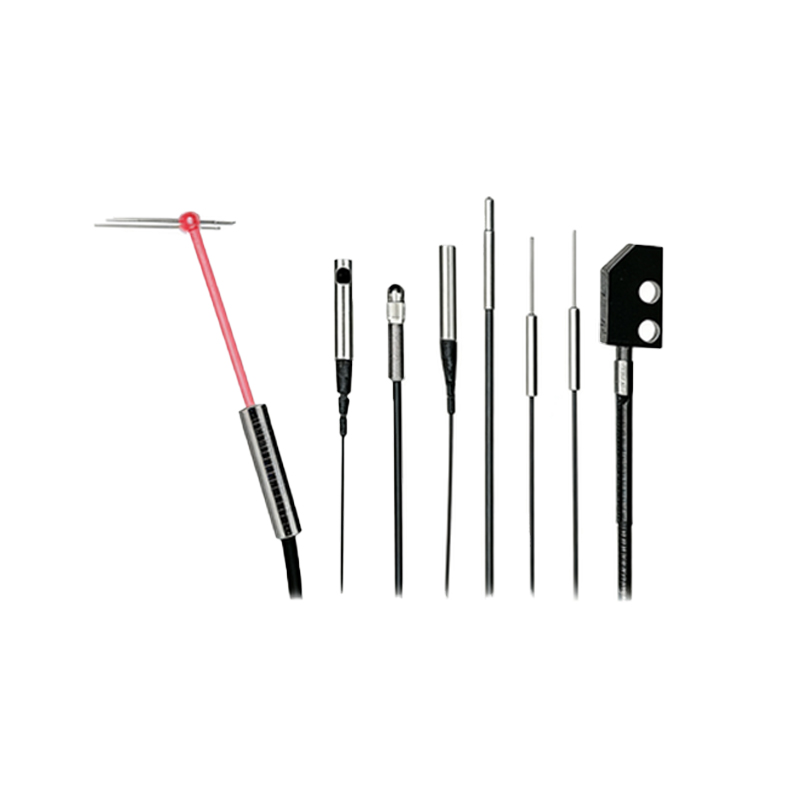
The evolution of Taixing photoelectric sensors is closely tied to advancements in Industry 4.0 and IoT integration. Future models are expected to incorporate smarter features such as IO-Link communication for real-time data exchange and predictive maintenance capabilities. Miniaturization will enable their use in tighter spaces, while enhanced energy efficiency will support sustainable operations. Developments in laser-based and fiber-optic designs may expand sensing capabilities for specialized applications. As automation becomes more interconnected, Taixing sensors will likely play a pivotal role in enabling adaptive, data-driven manufacturing environments, reinforcing their status as essential components in industrial innovation.