Introduction to Concrete Cylinder Proximity Sensors
In the demanding environments of heavy industry, construction, and material handling, reliable sensing solutions are paramount. Among these, concrete cylinder proximity switch sensors stand out for their unique design and robust performance. Unlike standard inductive or capacitive sensors housed in plastic or metal, these devices are encapsulated within a concrete or cement-based cylinder. This construction is not a mere novelty; it is a critical engineering response to specific operational challenges. The primary purpose of this encapsulation is to provide unparalleled physical protection against extreme mechanical shock, abrasion, vibration, and environmental contaminants such as dust, moisture, and corrosive chemicals. These sensors are typically employed in harsh locations where traditional sensor housings would quickly degrade or fail, ensuring continuous operation in applications like mining, aggregate processing, heavy machinery, and foundational structural monitoring.
Core Operating Principles and Technology
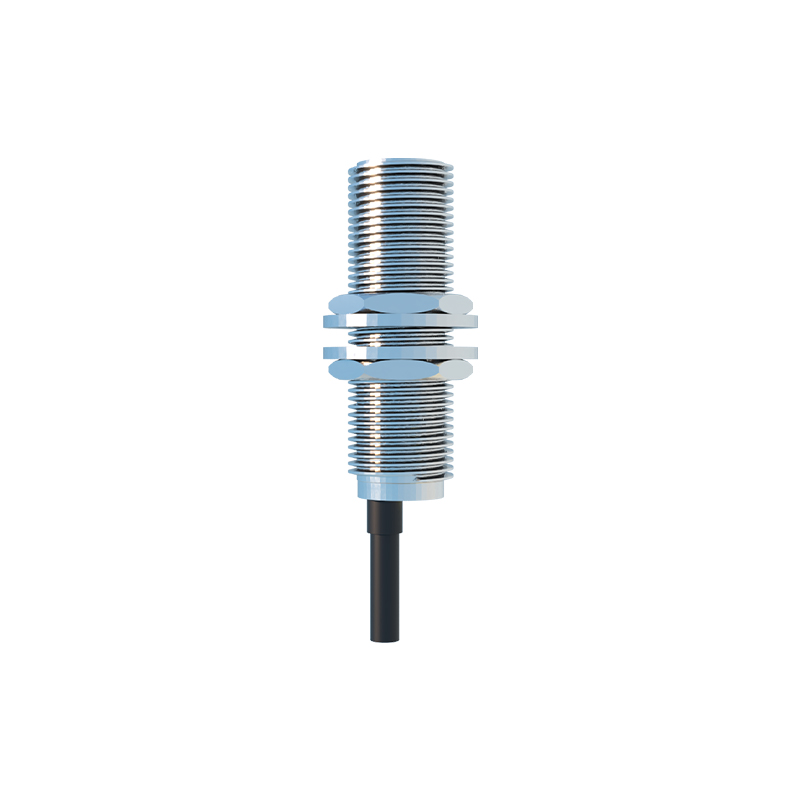
At their heart, concrete cylinder proximity sensors utilize standard non-contact sensing technologies, most commonly inductive or capacitive principles. An inductive sensor generates an electromagnetic field and detects the presence of a metallic target by monitoring disturbances in that field. A capacitive sensor, conversely, detects changes in capacitance caused by the proximity of any material, metallic or non-metallic. The innovative aspect lies not in the sensing element itself, but in its protective shell. The sensing coil or plate, along with its associated electronics, is potted or cast within a high-strength, specially formulated concrete or polymer-concrete composite. This material is chosen for its exceptional durability, resistance to crushing forces, and ability to dampen high-frequency vibrations that could otherwise damage internal components. The wiring is typically routed through a sealed conduit within the cylinder, maintaining the integrity of the enclosure.
Key Design Features and Material Considerations
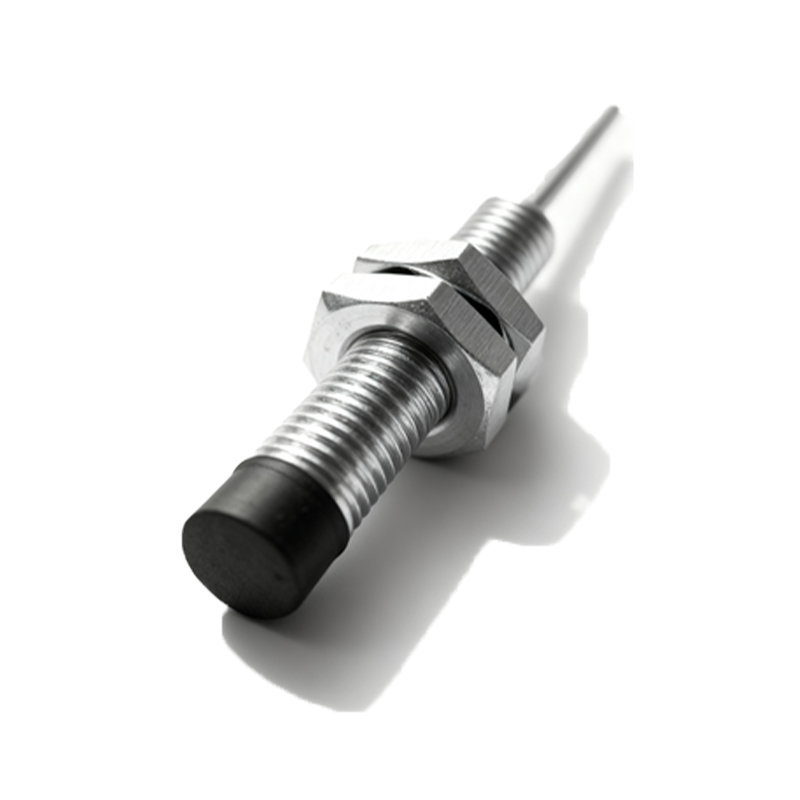
The design of a concrete cylinder proximity sensor is a balance between ruggedness and functionality. The concrete mix is a critical factor, often enhanced with polymers, fibers, or aggregates to improve tensile strength, reduce weight, and enhance resistance to thermal cycling and chemical exposure. The surface is usually smooth and may be sealed with a protective coating to prevent moisture ingress and dust accumulation. Mounting options are designed for permanence and stability, often featuring embedded steel threads or flanges. The active sensing face is protected by a layer of the composite material, which determines the sensor's nominal sensing range—typically shorter than an equivalent unshielded sensor due to the damping effect of the cover material. Manufacturers carefully calibrate the electronics to compensate for this, ensuring reliable detection at specified distances.
Primary Industrial Applications and Use Cases
The application spectrum for these rugged sensors is defined by extreme conditions. In mining and tunneling, they are used to monitor the position of massive crusher jaws, conveyor belt scrapers, or drilling equipment, where rock falls and constant impact are routine. In cement plants and aggregate facilities, they detect the level of bulk materials in silos or the position of heavy-duty gates and valves. A vital application is in pile driving and foundation engineering, where sensors embedded in or attached to concrete piles can detect alignment, depth, or stress thresholds during installation. They also find use in forestry equipment, steel mills, and anywhere machinery is subject to brutal physical abuse. Their role is often as a limit switch or position verification device in safety-critical or process-automation loops.
Advantages Over Traditional Sensor Housings
The advantages of the concrete cylinder design are significant in the right context. The most prominent benefit is extreme mechanical durability, offering a lifespan orders of magnitude longer than standard sensors in comparable harsh environments. This leads to drastically reduced maintenance costs, downtime, and sensor replacement frequency. The design provides excellent resistance to environmental factors like UV radiation, temperature extremes, and most chemicals. Furthermore, their substantial mass and mounting make them highly resistant to being dislodged or misaligned by vibration or incidental contact. For facility managers, this translates to increased system reliability, enhanced safety, and lower total cost of ownership despite a potentially higher initial unit cost.
Installation, Calibration, and Maintenance Guidelines
Installation of concrete cylinder proximity sensors requires careful planning due to their weight and permanence. They are often cast in place on-site or bolted to pre-prepared massive foundations. Ensuring precise alignment with the target during installation is crucial, as adjustment afterward can be difficult. Electrical connection must follow stringent standards for industrial environments, using sealed, strain-relieved conduit entries. Calibration is typically minimal and done at the factory; field adjustment is usually limited to verifying the output signal against the target. Maintenance is notably low. Routine inspections should check for any major cracking or spalling of the concrete shell (though minor surface wear is expected) and verify the integrity of cable conduits and connections. The internal electronics, if