Introduction to Proximity Sensor Technology
Proximity sensors are critical components in modern industrial automation, enabling non-contact detection of objects without physical interaction. These devices utilize various technologies, including inductive, capacitive, ultrasonic, and photoelectric principles, to sense the presence, absence, or position of targets in manufacturing, robotics, and automotive applications. As factories embrace Industry 4.0 and smart manufacturing, the demand for high-precision, durable, and reliable proximity sensors has surged. Original manufacturers play a pivotal role in advancing this technology, offering solutions that enhance efficiency, safety, and productivity. This article explores key companies at the forefront of proximity sensor production, highlighting their innovations and contributions to the industry.
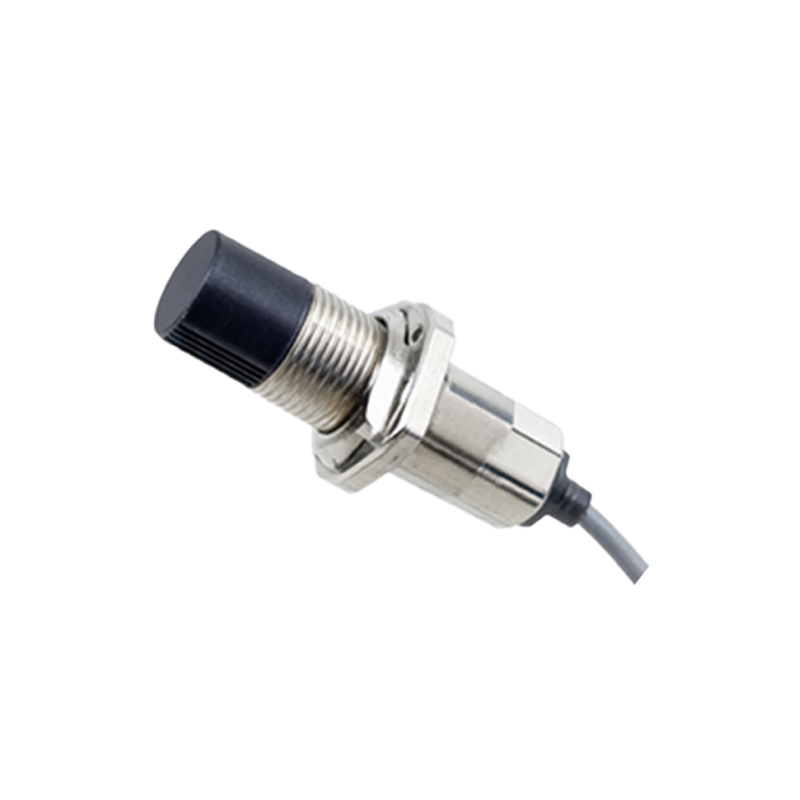
Key Players in the Proximity Sensor Market
Several established companies dominate the proximity sensor manufacturing landscape, each with unique strengths. Siemens AG, a German multinational, is renowned for its comprehensive portfolio of inductive and capacitive sensors designed for harsh industrial environments. Their sensors feature robust housings, high switching frequencies, and advanced diagnostics, making them ideal for automotive and machinery applications. Similarly, Omron Corporation, based in Japan, excels in photoelectric and ultrasonic sensors, offering compact designs with long sensing ranges and resistance to environmental interference. Other notable manufacturers include Pepperl+Fuchs, known for explosion-proof sensors for hazardous areas, and Balluff GmbH, which specializes in RFID-integrated sensors for smart factory setups. These firms invest heavily in research and development to push the boundaries of sensing accuracy and connectivity.
Innovations Driving Industry Advancements
Recent technological advancements have transformed proximity sensors into intelligent devices. Many manufacturers now incorporate IoT capabilities, allowing sensors to transmit real-time data to cloud platforms for predictive maintenance and process optimization. For instance, SICK AG has developed sensors with IO-Link communication, enabling parameter adjustments and diagnostics remotely. Additionally, there is a growing trend toward miniaturization, with companies like ifm electronic producing sensors as small as a few millimeters for space-constrained applications. Enhanced materials, such as stainless steel and PTFE coatings, improve durability against chemicals and extreme temperatures. These innovations not only boost performance but also reduce downtime and operational costs, aligning with the goals of sustainable manufacturing.
Applications Across Diverse Sectors
Proximity sensors find applications in a wide range of industries, underscoring their versatility. In automotive manufacturing, they are used for position detection in assembly lines and safety monitoring in robotic arms. The food and beverage sector relies on capacitive sensors to detect liquid levels through container walls, ensuring hygiene without direct contact. In logistics, ultrasonic sensors facilitate object counting and palletizing in warehouses. Moreover, the aerospace industry employs high-temperature sensors for engine monitoring. Leading manufacturers tailor their products to meet sector-specific requirements, such as washdown-resistant sensors for pharmaceuticals or ATEX-certified models for oil and gas. This adaptability makes proximity sensors indispensable in achieving operational excellence.
Quality and Reliability Standards
Top proximity sensor manufacturers adhere to stringent international standards to ensure quality and reliability. Certifications like ISO 9001 for quality management and IEC 60947 for industrial control devices are common among reputable firms. Companies conduct rigorous testing for shock, vibration, and electromagnetic compatibility (EMC) to guarantee performance in demanding conditions. For example, Turck Inc. offers sensors with IP67 and IP69K ratings, providing protection against dust and high-pressure water jets. Additionally, many manufacturers provide extended warranties and global support networks, minimizing supply chain disruptions. By prioritizing durability and consistency, these companies build trust with clients, fostering long-term partnerships in the automation ecosystem.
Future Trends and Market Outlook
The future of proximity sensor manufacturing is shaped by emerging trends such as digitalization and sustainability. Manufacturers are integrating artificial intelligence (AI) to enable self-calibrating sensors that adapt to environmental changes autonomously. Energy-efficient designs are also gaining traction, with low-power sensors supporting green initiatives. The market is projected to grow steadily, driven by increased automation in emerging economies and the expansion of electric vehicle production. Companies are expanding their portfolios to include wireless and battery-free sensors, reducing installation complexity. As industries evolve, proximity sensor manufacturers will continue to innovate, delivering smarter, more connected solutions that redefine industrial automation.