Introduction to Anti-Slag Proximity Sensors
Anti-slag proximity sensors are specialized industrial devices designed to detect the presence or absence of objects in harsh environments, particularly where molten metal splatter, welding slag, and high temperatures are prevalent. Unlike standard inductive or capacitive sensors, these units are built with robust housings, often made from high-grade stainless steel or specially coated materials, and feature protective face coatings that prevent slag and spatter from adhering to the sensing face. Their primary function is to provide reliable, non-contact detection in applications like robotic welding, foundries, and heavy metal fabrication, where sensor failure can lead to significant downtime and production losses. The demand for these sensors is directly tied to the automation of hazardous industrial processes, making their performance and durability critical considerations beyond just the initial purchase price.
Key Components Influencing Sensor Price
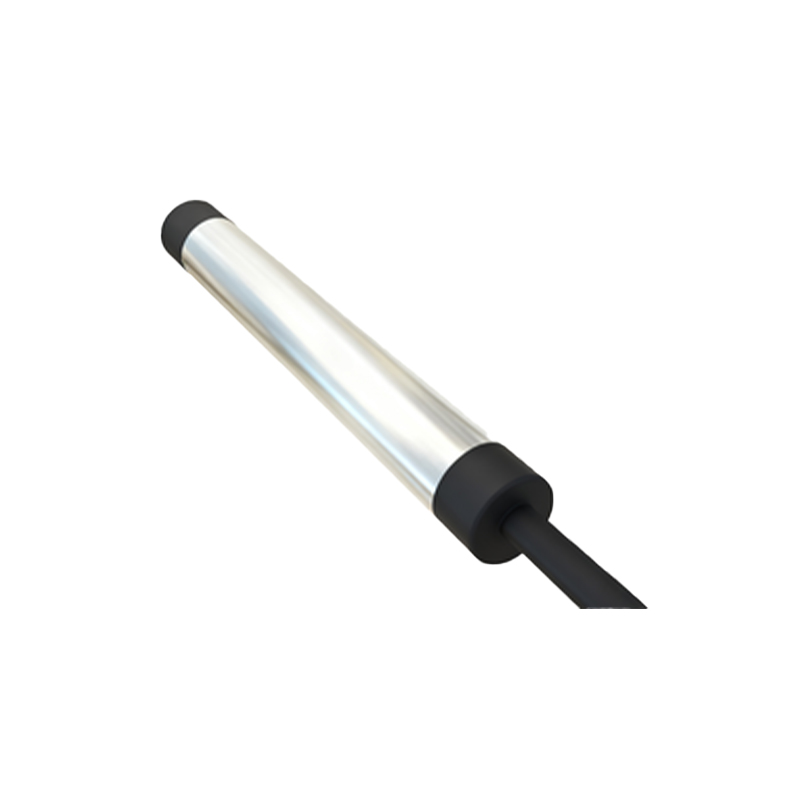
The price of an anti-slag proximity sensor is not a single figure but a reflection of its constituent parts and engineering. The sensing technology itself—whether it's a ruggedized inductive, ultrasonic, or laser-based system—forms the core cost driver. Inductive models are generally more cost-effective but may have range limitations. The housing material, such as 316L stainless steel versus a specialized alloy, significantly impacts cost. Furthermore, the protective window or coating, often made from advanced ceramics or heat-resistant polymers, adds to the expense. Internal electronics are hardened against electromagnetic interference (EMI) and thermal shock, requiring higher-grade components. The cable or connector type, with options for pre-wired cables or quick-disconnect varieties with high-temperature ratings, also contributes to the final price. Essentially, every feature that enhances durability in a hostile environment carries a cost premium.
Performance Specifications and Cost Correlation
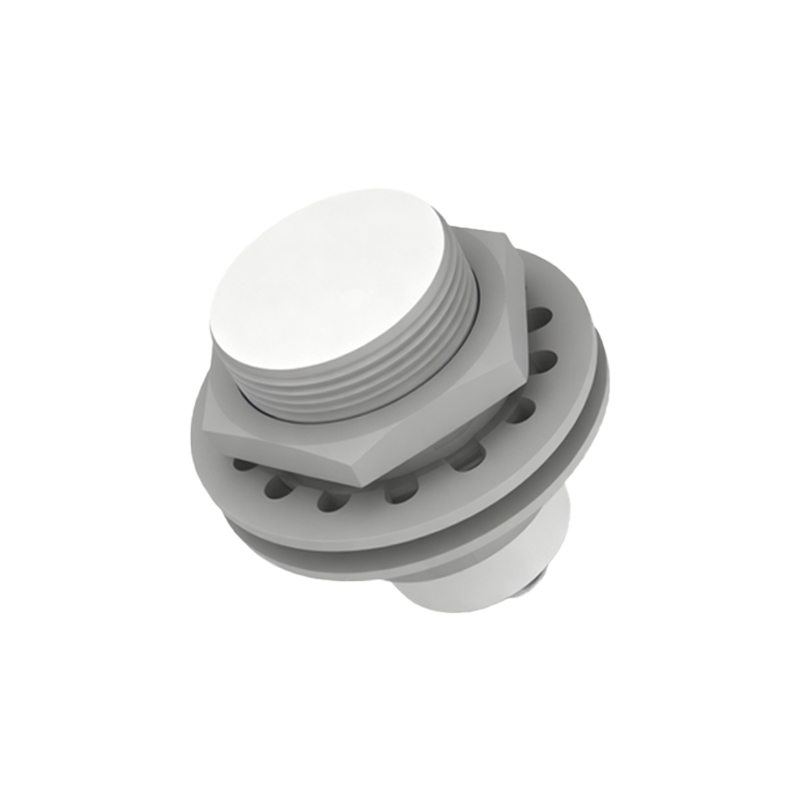
Specific performance parameters have a direct and measurable impact on sensor pricing. Sensing range is a primary factor; a sensor with a 15mm range will typically cost less than one capable of 40mm detection in similar conditions. Operating temperature range is crucial; a sensor rated for -25°C to +100°C is standard, but models designed to withstand brief exposure to over +150°C or direct splatter are considerably more expensive. The ingress protection (IP) rating, especially IP67, IP68, or IP69K for high-pressure washdown, adds cost. Response time and switching frequency are also key; high-speed applications requiring microsecond response times necessitate more sophisticated electronics. Finally, output type (PNP/NPN, analog, IO-Link) influences price, with smart sensors featuring diagnostic capabilities (like IO-Link) commanding a higher price due to their predictive maintenance benefits.
Brand Reputation and Supply Chain Considerations
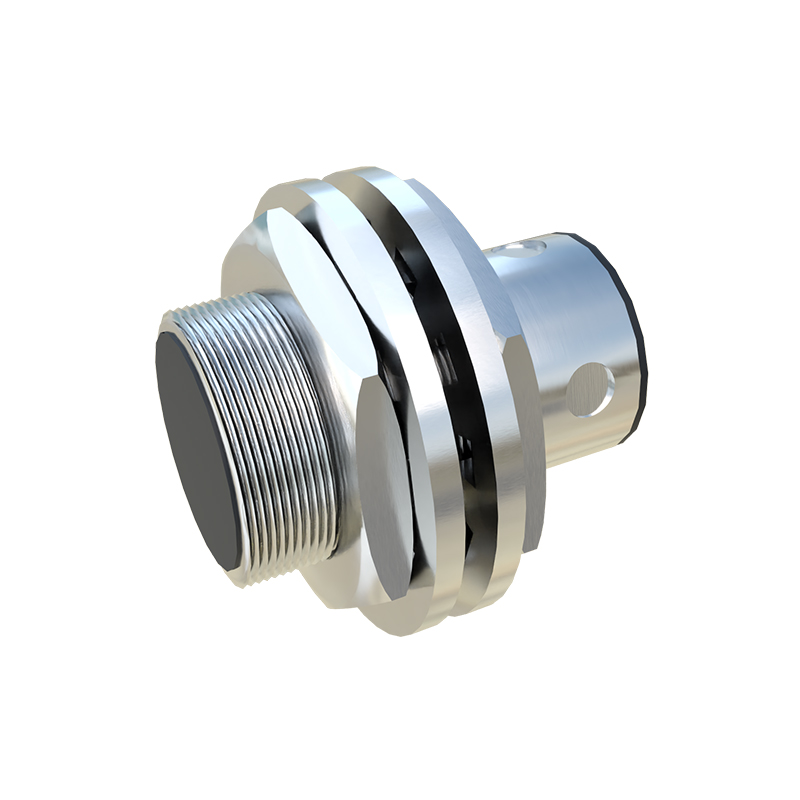
The manufacturer's brand plays a significant role in pricing. Established global brands like Turck, Pepperl+Fuchs, Balluff, and SICK often have higher price points, justified by extensive R&D, proven reliability, global warranty support, and comprehensive technical documentation. These brands invest heavily in testing and certification, ensuring their sensors meet stringent international standards. Conversely, generic or lesser-known brands may offer lower upfront costs but can pose risks regarding longevity, accuracy, and after-sales support. Furthermore, supply chain dynamics affect price. Lead times for custom or highly specialized sensors can be long, and during periods of high demand or material shortages, prices may fluctuate. Purchasing through authorized distributors typically ensures genuine products and support but may differ in cost compared to direct or online marketplaces.
Total Cost of Ownership: Beyond the Purchase Price
For industrial engineers, the true cost is the Total Cost of Ownership (TCO). A cheaper sensor that fails every six months incurs costs for replacement parts, labor for installation, and, most critically, unplanned production stoppages. A premium anti-slag sensor, though having a higher initial price, often provides a lower TCO due to its extended service life and reliability. Factors in TCO include mean time between failures (MTBF), ease of installation and alignment, availability of mounting accessories, and compatibility with existing control systems. Sensors with self-diagnostics can prevent costly downtime by alerting personnel to lens contamination or gradual performance decay before a complete failure occurs. Therefore, the investment decision should balance initial procurement cost against long-term operational stability and maintenance expenses.
Market Price Ranges and Procurement Advice
Market prices for anti-slag proximity sensors vary widely based on the factors discussed. A basic, standard-range inductive sensor might range from $80 to $200. More advanced models with longer ranges, higher temperature ratings, IO-Link functionality, or specialized coatings can range from $250 to $600 or more per unit. Procurement strategy is key. For standard applications, volume purchasing from a reputable supplier can yield discounts