The global market for proximity sensors is experiencing dynamic shifts, directly influencing their current pricing landscape. Understanding these price points requires a look beyond a simple list and into the core factors driving cost. While specific figures fluctuate daily with currency exchange and supplier agreements, strong trends define the accessible, mid-range, and premium segments.
At the foundational level, standard inductive and capacitive sensors remain the most cost-effective options. Prices for these ubiquitous workhorses can range significantly based on housing material, sensing distance, and output type. A basic, shielded inductive sensor in a plastic housing with a 4mm range and PNP output represents the entry point. Bulk purchases from major automation distributors or direct from manufacturers in Asia often yield the lowest per-unit costs. However, it's crucial to factor in lead times, minimum order quantities, and potential import duties, which can erode upfront savings.
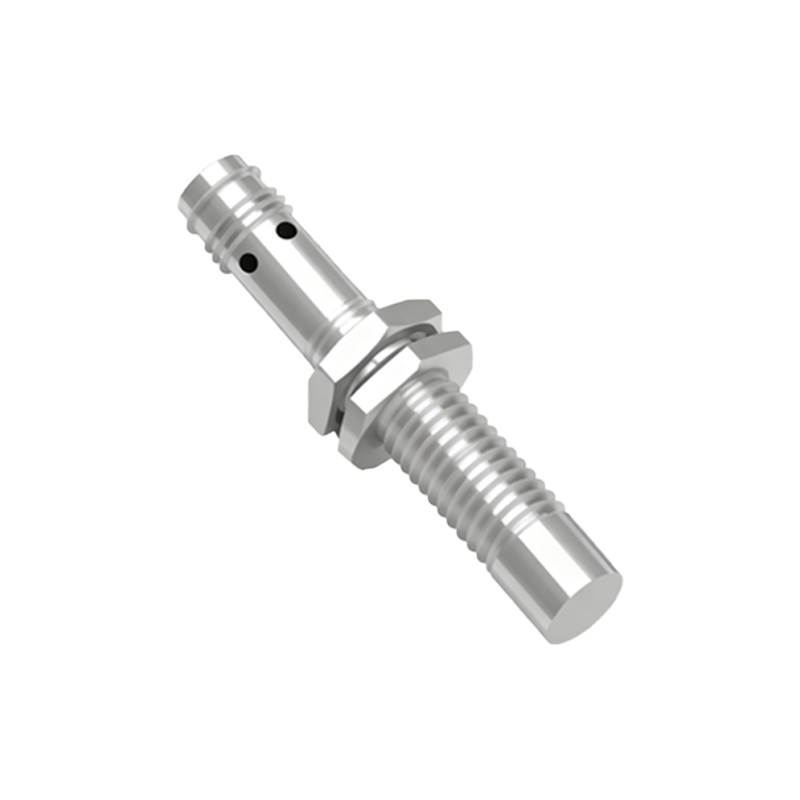
Moving into the mid-range, pricing increases with enhanced functionality and robustness. Sensors with longer sensing ranges (e.g., 15mm to 30mm), all-metal housings for harsh environments, or specialized designs like cylindrical or rectangular form factors command a higher price. This tier also includes sensors with advanced features like IO-Link communication, which adds smart diagnostics and parameterization capabilities. The cost premium here pays for reduced downtime, easier integration, and better data for predictive maintenance. Brands with established global support and certification portfolios (e.g., ATEX for hazardous areas) naturally sit in this bracket.
The premium segment is characterized by highly specialized sensors. This includes ultra-precise analog output sensors for positioning tasks, high-speed models for robotics, and sophisticated ultrasonic or photoelectric sensors with background suppression for challenging applications. Prices in this category are justified by extensive R&D, superior materials, and rigorous testing. Furthermore, sensors designed for extreme temperatures, high-pressure washdowns, or corrosive atmospheres incorporate specialized seals and coatings, adding to the manufacturing cost. For these critical applications, the sensor's reliability and performance often outweigh the initial purchase price.
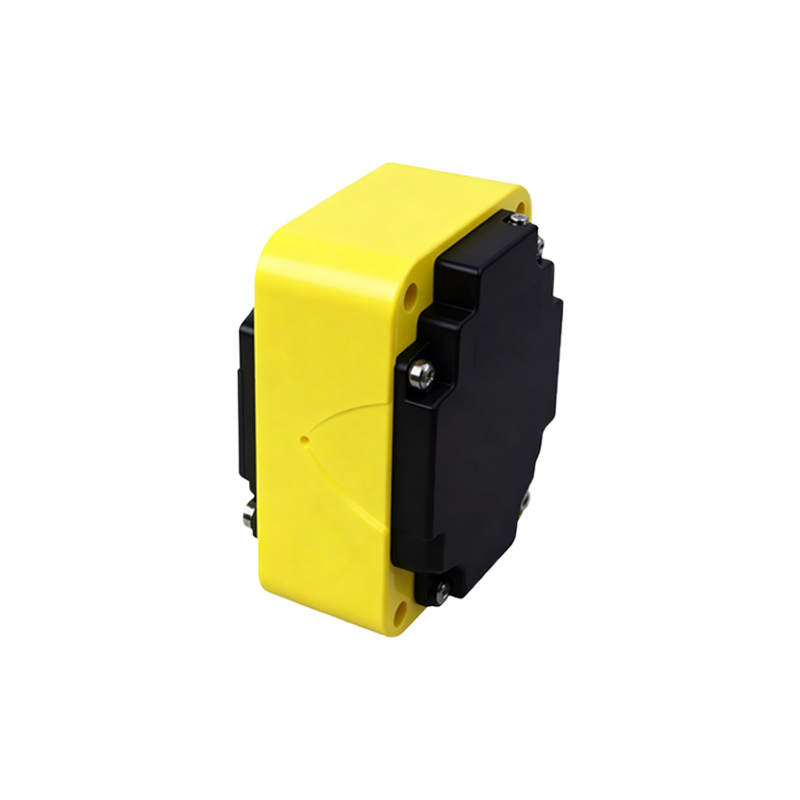
Several macroeconomic and supply chain factors are currently applying upward pressure on prices globally. The persistent shortage of key semiconductor components continues to affect sensor electronics manufacturing. Rising costs of raw materials, such as metals and plastics, along with increased energy and freight expenses, are being passed down the supply chain. Consequently, list prices from major manufacturers have seen incremental increases, and discount structures have tightened. The market has also seen a rise in the availability of generic or "clone" sensors at very low prices, primarily through online marketplaces. While tempting, these often lack consistent quality, proper certifications, and reliable technical support, posing a risk to system integrity.
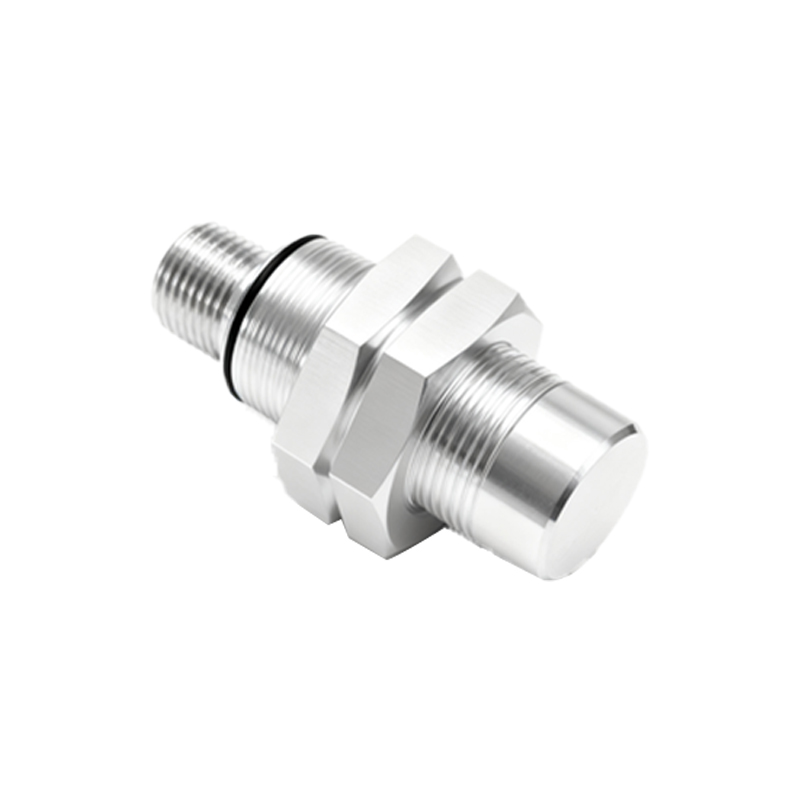
For procurement specialists and engineers, the strategy for navigating current prices involves a total cost of ownership perspective. Engaging with authorized distributors for volume pricing, exploring alternative but certified brands, and accurately specifying required features—avoiding over-specification—are key tactics. Locking in quotes for longer-term projects is advisable given market volatility. The proximity sensor market remains competitive, and prices are a direct reflection of capability, durability, and support. Informed buying decisions balance immediate cost with long-term operational reliability and minimal lifecycle expense.