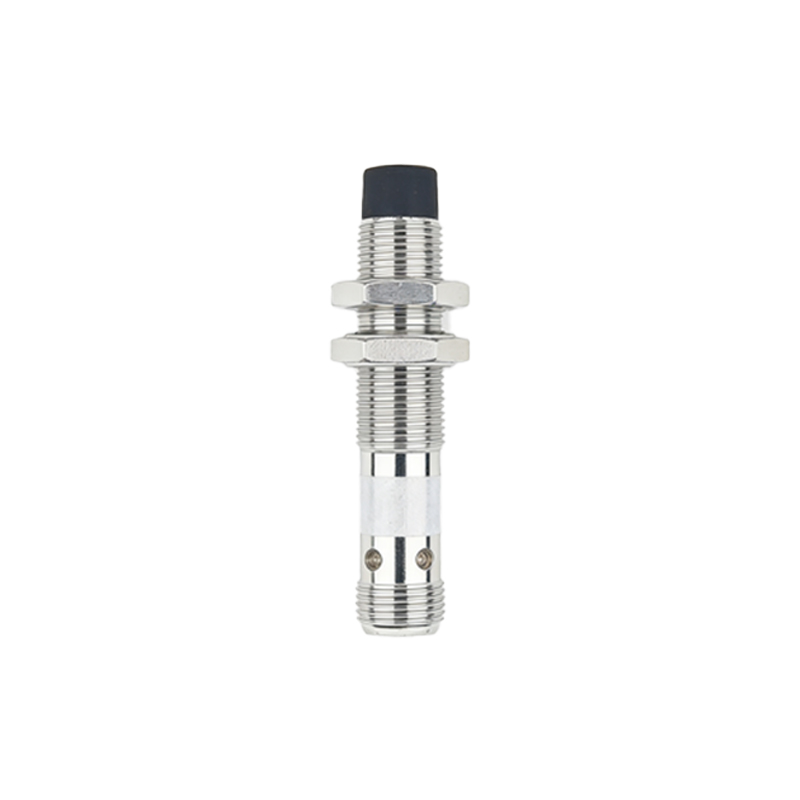
The global industrial landscape is increasingly reliant on automation, where short proximity sensors play a critical role in ensuring precision, safety, and efficiency. These compact devices detect the presence or absence of objects within a limited range, often without physical contact, making them indispensable in manufacturing, robotics, automotive assembly, and packaging lines. However, recent disruptions in the supply chain have highlighted vulnerabilities in the availability of these essential components.
Short proximity sensors, including inductive, capacitive, and photoelectric types, are designed for applications where space is constrained. Inductive sensors, for instance, excel in detecting metallic objects in harsh environments, while capacitive variants handle non-metallic materials like plastics or liquids. Photoelectric sensors use light beams to sense objects, offering versatility in diverse settings. Their compact size allows integration into tight spaces, such as robotic arms or conveyor systems, where traditional sensors would be impractical.
The supply shortage stems from multiple factors. Semiconductor chip scarcity, a lingering effect of the COVID-19 pandemic, has impacted sensor production, as these devices often incorporate microchips for signal processing. Geopolitical tensions and trade restrictions have further strained raw material sourcing, particularly for metals and electronic components. Additionally, rising demand from emerging industries, such as electric vehicle manufacturing and smart infrastructure, has outpaced production capacity. A report by industry analysts indicates that lead times for certain sensor models have extended from weeks to several months, forcing companies to rethink procurement strategies.
This shortage poses significant challenges. Manufacturers face production delays, increased costs, and potential quality compromises when substituting sensors with incompatible alternatives. In automotive plants, for example, a lack of sensors can halt assembly lines, leading to financial losses. Similarly, in logistics, automated sorting systems depend on these sensors for accurate parcel handling; any disruption can cascade into delivery bottlenecks. The reliance on just-in-time inventory models has exacerbated the issue, leaving little buffer for supply chain interruptions.
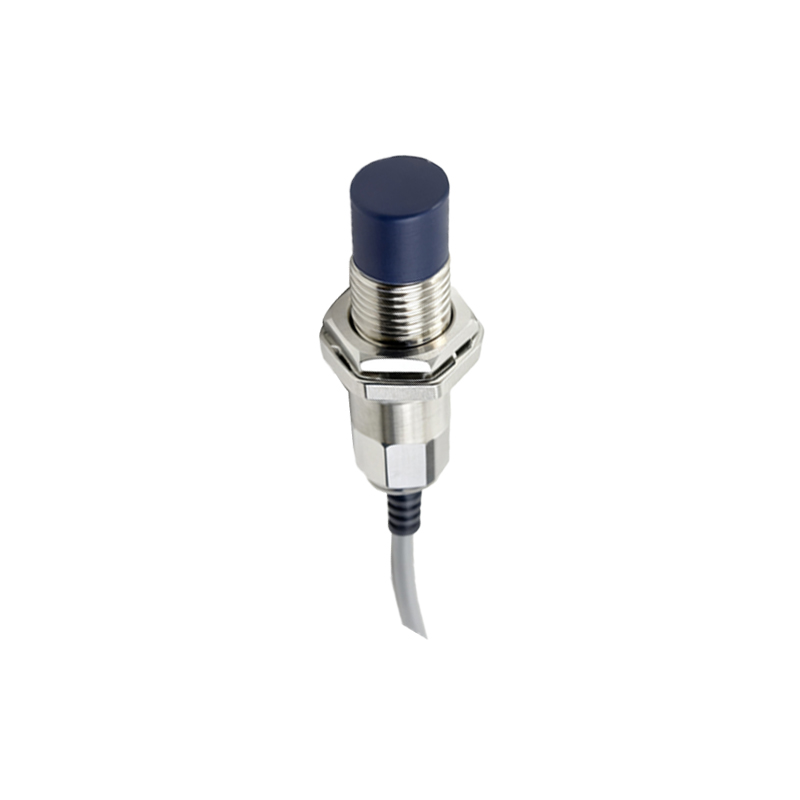
To mitigate these challenges, companies are adopting proactive measures. Diversifying suppliers across regions reduces dependency on single sources, while long-term contracts with manufacturers ensure priority access during shortages. Some firms are investing in inventory management software to forecast demand and maintain safety stocks. Technological innovations also offer solutions, such as developing modular sensor designs that use standardized components, easing replacement and customization. Additionally, recycling and refurbishing existing sensors in non-critical applications can extend their lifecycle, alleviating pressure on new supply.
Looking ahead, the industry is evolving toward greater resilience. Advances in sensor technology, including the integration of IoT capabilities, enable predictive maintenance and real-time monitoring, reducing unexpected failures. Collaborative efforts between suppliers, manufacturers, and policymakers are essential to stabilize supply chains. For instance, regional manufacturing hubs can shorten logistics routes, while government incentives might boost local production of key components.
In conclusion, the short proximity sensor supply crisis underscores the fragility of global industrial networks. By embracing strategic sourcing, technological adaptation, and collaborative planning, businesses can navigate these disruptions. As automation continues to expand, ensuring a steady supply of these tiny yet vital components will be crucial for sustaining innovation and operational continuity across sectors.