High-Precision Manufacturing and Materials
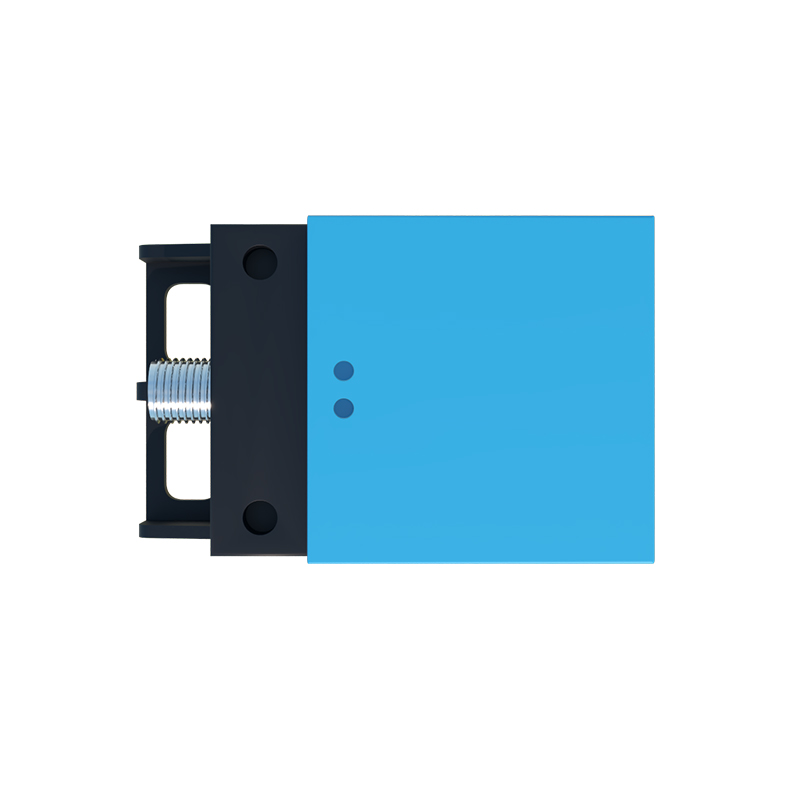
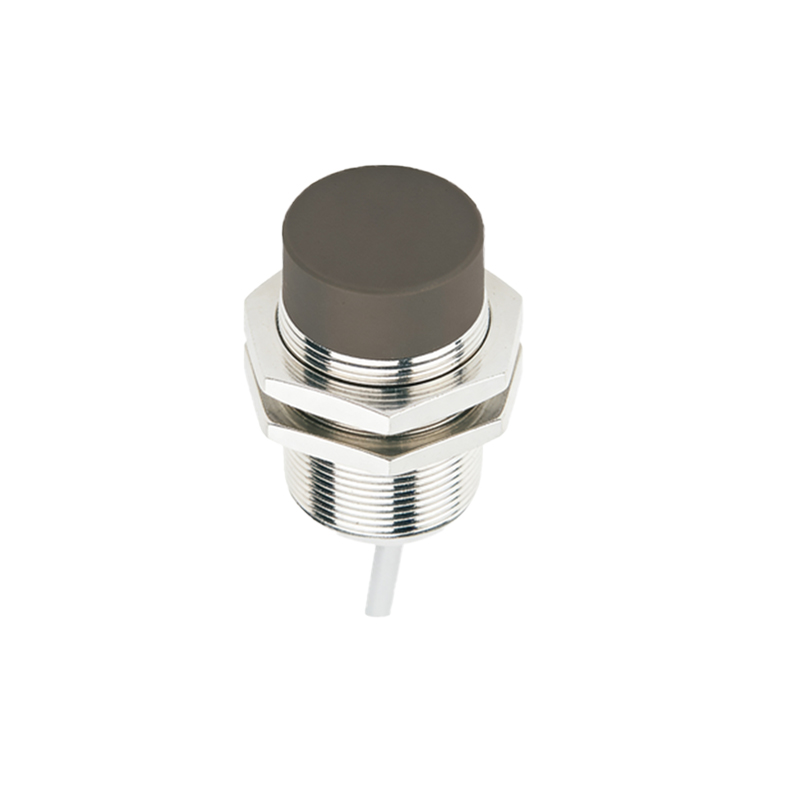
The core of a proximity sensor's cost lies in its construction. Unlike simple mechanical switches, these devices require exceptionally precise manufacturing. The sensing element, often a specialized coil for inductive types or a complex semiconductor array for capacitive and photoelectric versions, must be produced in controlled environments to micron-level tolerances. The housings are not simple plastic shells; they are typically made from engineering-grade materials like PBT, stainless steel (V4A/AISI 316), or nickel-plated brass to ensure longevity in harsh industrial settings. These materials resist corrosion from oils, coolants, and chemicals, a non-negotiable requirement for factory floor reliability. The internal electronics demand high-quality, temperature-stable components to guarantee that the sensor performs consistently from -25°C to 70°C. This combination of specialized, durable materials and precision assembly forms a significant portion of the initial unit cost.
Advanced Technology and R&D Investment
Proximity sensors are deceptively simple in function but complex in engineering. Developing a sensor that can reliably detect a metal object at 15mm distance, while ignoring adjacent machinery or conductive dust, requires substantial research and development. Companies invest heavily in R&D to create sensors with better noise immunity, higher switching frequencies, and more robust algorithms for target discrimination. For instance, developing a factor-1 inductive sensor (capable of detecting all metals at the same range) involves sophisticated coil and circuit design. This R&D cost is amortized over production runs, contributing to the price per unit. Furthermore, the drive towards miniaturization and IO-Link smart sensor functionality adds layers of embedded software and communication protocol development, further increasing the technological value and cost.
Rigorous Testing and Quality Assurance
Before a proximity sensor reaches the market, it undergoes a battery of stringent tests that far exceed those for most consumer electronics. Each sensor design is subjected to environmental stress tests including thermal cycling, vibration resistance, and IP67/IP69K ingress protection tests (involving high-pressure water jets and dust chambers). Electrical tests check for surge protection, short-circuit immunity, and electromagnetic compatibility (EMC). Many manufacturers perform 100% functional testing on every single unit coming off the line. This extensive quality assurance process ensures mean time between failures (MTBF) ratings that can span decades, which is critical for minimizing downtime in automated production lines. The infrastructure and time required for this level of testing are a major cost driver but are essential for industrial-grade reliability.
Certification and Compliance Costs
To be sold and used in global industrial markets, proximity sensors must carry a host of international certifications. These include UL, CSA, CE, ATEX (for hazardous areas), and IECEx standards. Obtaining and maintaining these certifications is an expensive and ongoing process. It involves auditing by notified bodies, continuous compliance with evolving safety directives, and often requires design modifications to meet specific regional requirements. For example, an ATEX-certified sensor for use in explosive atmospheres requires intrinsically safe circuitry and special sealing, adding significant design and component cost. These certifications are not optional; they are legal requirements for installation in most professional applications, and their cost is inherently built into the product's price.
Specialized Features and Application Engineering
The industrial market demands sensors for highly specific tasks, leading to a wide variety of specialized and therefore costly models. This includes sensors with extended ranges, those made entirely of stainless steel for washdown applications in food & beverage, high-temperature sensors for foundries, or weld-field immune models for robotic welding cells. Supporting this variety requires maintaining complex product lines and inventory. Additionally, significant cost is attributed to application engineering support. Manufacturers provide extensive technical documentation, sizing software, and expert support to help integrators correctly select and install the sensor. This post-sales support ecosystem, vital for ensuring the sensor works correctly in the customer's unique application, is a value-added service reflected in the product's overall cost.
Supply Chain and Industrial Distribution
The supply chain for industrial components like proximity sensors is structured for reliability, not just low cost. It involves long-term contracts with component suppliers to ensure consistent quality and availability over product lifecycles that can last 10-15 years. The distribution model is also different. Sensors are sold through specialized industrial distributors and integrators who provide technical expertise, local inventory, and rapid replacement services. This multi-tiered channel ensures that a manufacturer in Germany can have a faulty sensor replaced on a machine in Texas within 24 hours. The margins required to sustain this global, responsive, and technically proficient support network contribute to the final price paid by the end user, ensuring not just a product, but a guaranteed solution.