Introduction to Proximity Sensors in Screen Management
Proximity sensors have become integral components in modern electrical systems, particularly for automating screen control. These non-contact devices detect the presence or absence of objects within a specific range, enabling seamless interaction between users and displays. In industrial and commercial settings, proximity sensors enhance efficiency by reducing manual input, conserving energy, and improving user experience. By integrating these sensors with screens, systems can automatically turn displays on or off, dim brightness, or trigger specific functions based on object proximity. This technology leverages electromagnetic fields, infrared light, or ultrasonic waves to sense nearby objects without physical contact, ensuring durability and reliability in diverse environments.
Types of Proximity Sensors for Screen Control
Several types of proximity sensors are employed for screen control, each with unique advantages. Inductive sensors are ideal for detecting metallic objects, commonly used in machinery with metal components near screens. Capacitive sensors can detect both metallic and non-metallic materials, making them suitable for touchless interfaces in consumer electronics. Infrared (IR) sensors are popular in devices like smartphones and laptops, where they sense hand movements to wake or sleep screens. Ultrasonic sensors use sound waves to measure distance, offering precise control in automated kiosks or interactive displays. The choice of sensor depends on factors such as detection range, environmental conditions, and target material, ensuring optimal performance in specific applications.
Implementation in Electrical Systems
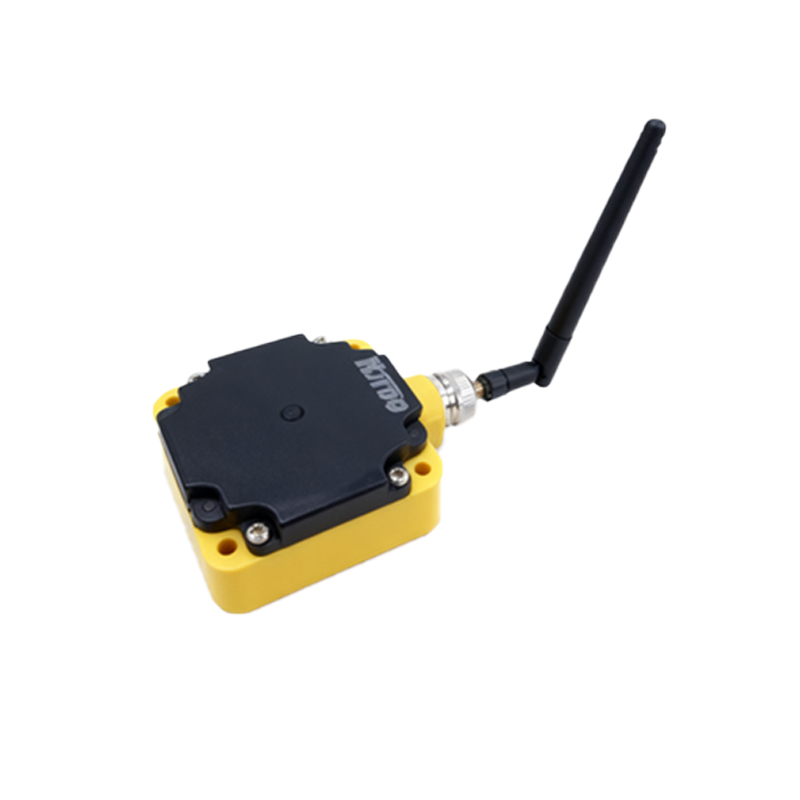
Implementing proximity sensors for screen control involves careful integration into electrical circuits and control systems. Typically, the sensor is connected to a microcontroller or programmable logic controller (PLC), which processes the signal and commands the screen accordingly. For instance, when a user approaches an industrial control panel, the sensor detects motion and activates the display, showing relevant data or controls. In energy-saving modes, screens can dim or turn off when no object is detected within a set timeframe. Wiring considerations include proper shielding to prevent electromagnetic interference, especially in high-noise environments like factories. Additionally, calibration of sensitivity and range is crucial to avoid false triggers, ensuring responsive and accurate screen management.
Benefits in Industrial and Consumer Applications
The use of proximity sensors for screen control offers significant benefits across various sectors. In industrial automation, it reduces wear and tear on physical buttons, minimizes downtime, and enhances safety by allowing hands-free operation. For consumer electronics, it improves battery life by automatically turning off screens when not in use, while providing a sleek, modern user interface. In public spaces, such as digital signage or ATMs, sensors help maintain hygiene by enabling touchless interactions and adapt content based on audience proximity. Overall, this technology contributes to energy conservation, operational efficiency, and enhanced user engagement, making it a valuable addition to electrical systems.
Challenges and Solutions
Despite their advantages, proximity sensors face challenges in screen control applications. Environmental factors like dust, moisture, or extreme temperatures can affect sensor accuracy, requiring robust enclosures or specialized models. Interference from other electronic devices may cause erratic behavior, necessitating proper grounding and filtering techniques. To address these issues, engineers often select sensors with appropriate ingress protection (IP) ratings and conduct thorough testing in real-world conditions. Regular maintenance and software updates can also mitigate performance degradation over time. By anticipating these challenges, systems can be designed for long-term reliability and consistent screen control functionality.
Future Trends and Innovations
The future of proximity sensors in screen control is marked by ongoing innovations and trends. Advances in miniaturization and power efficiency are enabling integration into smaller devices, such as wearables and IoT gadgets. Machine learning algorithms are being combined with sensor data to predict user intent, allowing for more intuitive screen interactions. Additionally, the rise of smart environments, like smart homes and cities, is driving demand for sensors that can manage multiple screens seamlessly. Emerging technologies, such as LiDAR and time-of-flight sensors, promise higher precision and faster response times. As these developments progress, proximity sensors will continue to evolve, offering smarter and more adaptive solutions for screen management in electrical systems.