Introduction to 5V Output Proximity Sensors
In the realm of industrial automation and control, proximity sensors are indispensable components for detecting the presence or absence of objects without physical contact. Among the various configurations available, 5V output proximity sensors have carved out a significant niche, particularly in applications interfacing directly with modern microcontrollers, programmable logic controllers (PLCs), and low-voltage digital circuits. These sensors operate on a standard 5-volt DC power supply, which aligns perfectly with the logic levels of TTL and many CMOS integrated circuits. This compatibility simplifies system design, reduces the need for additional signal conditioning components, and enhances overall reliability. The 5V output typically comes in two primary forms: a digital on/off signal (PNP or NPN sinking/sourcing) or, in more advanced models, a modulated signal such as PWM. Their compact size, high switching frequency, and resistance to environmental factors like dust, oil, and moisture make them a preferred choice for precision tasks in electronics assembly, robotics, packaging machinery, and automated test equipment.
Key Operating Principles and Technologies
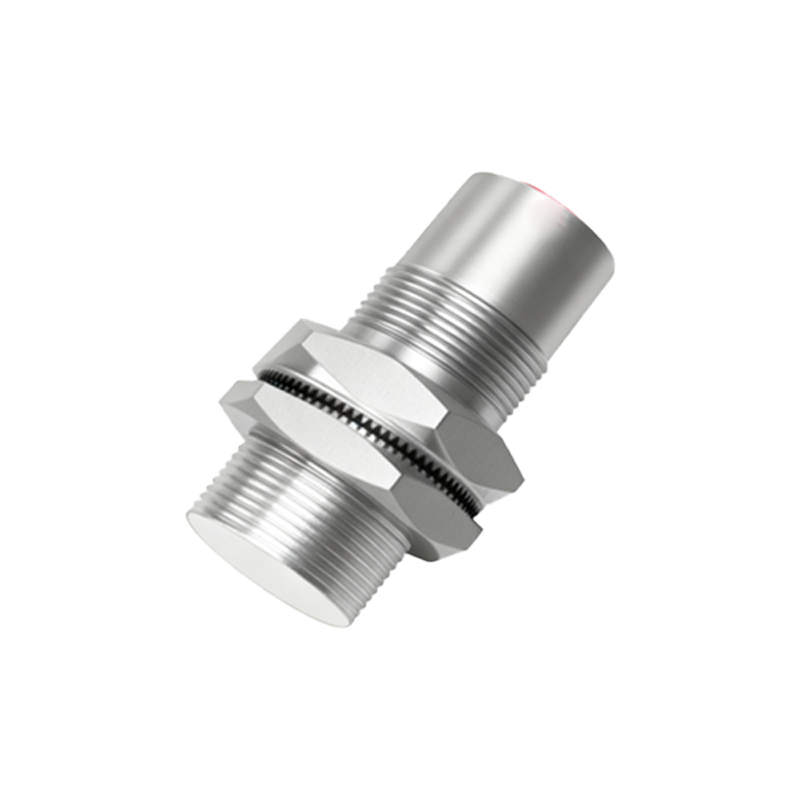
5V proximity sensors primarily utilize three sensing technologies: inductive, capacitive, and photoelectric. Inductive sensors are the most common for detecting metallic objects. They generate an electromagnetic field; when a metal target enters this field, it causes a change in oscillation amplitude, which the sensor's circuit detects and converts into a clean 5V digital signal. Capacitive sensors can detect both metallic and non-metallic materials (plastics, wood, liquids) by measuring changes in capacitance caused by the target object. Photoelectric sensors use a light beam (often infrared) and its reflection or interruption to detect objects. The internal circuitry of all these types is meticulously designed to provide a stable, noise-immune 5V DC output, ensuring signal integrity over varying cable lengths and in electrically noisy industrial environments. Key specifications include sensing distance, repeat accuracy, response time, and output current capability, which is typically sufficient to drive a PLC input or an opto-isolator directly.
Advantages of the 5V Standard in System Integration
The adoption of a 5V output standard offers several compelling advantages for system integrators and engineers. First and foremost is direct compatibility. Many modern control systems, including Arduino, Raspberry Pi, and a vast array of industrial microcontrollers, operate on 5V logic. Using a sensor with a native 5V output eliminates the risk of damage from voltage mismatch and removes the necessity for level-shifting circuits or resistive dividers. This leads to a cleaner bill of materials, reduced board space, and lower overall cost. Secondly, 5V signals generally exhibit good noise immunity compared to lower voltage levels, providing a robust signal margin that ensures reliable operation. Furthermore, power consumption is often optimized in these sensors, making them suitable for battery-powered or energy-conscious applications. The standardization also simplifies troubleshooting and maintenance, as technicians can use common 5V-referenced diagnostic tools.
Critical Selection Criteria for Application Success
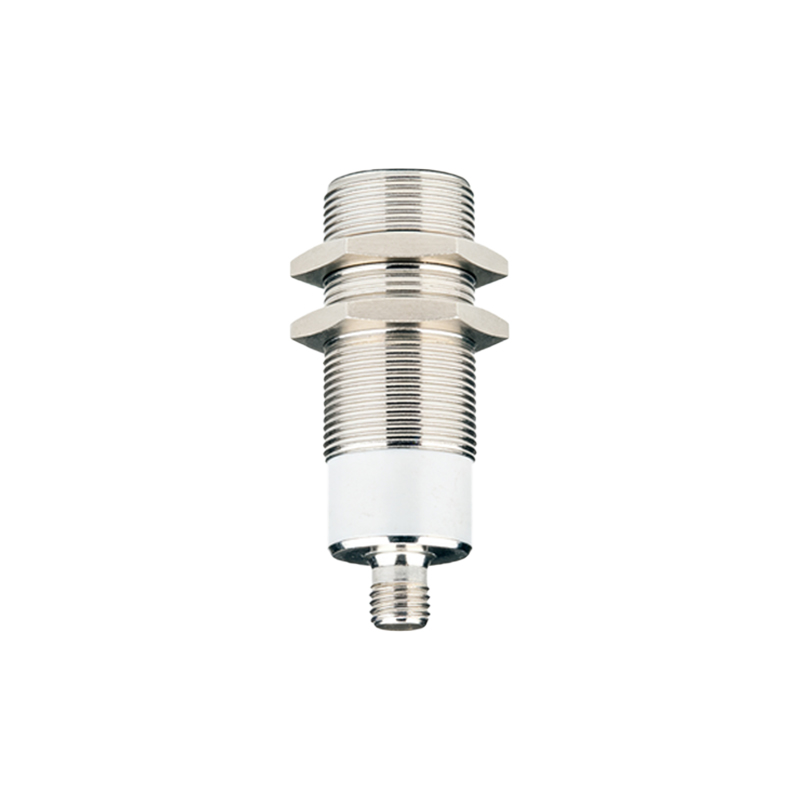
Selecting the right 5V output proximity sensor requires careful consideration of several application-specific parameters. The nature of the target material is paramount: inductive for metals, capacitive for a broader range, and photoelectric for long-range or precise position detection. The required sensing distance, or nominal range, must be chosen with a safety margin, considering factors like target size, shape, and approach direction. Environmental conditions are crucial; sensors are rated with Ingress Protection (IP) codes for dust and water resistance, and some are built with robust housings (e.g., stainless steel) for harsh washdown or chemical exposure. The output type must match the controller's input: a PNP (sourcing) output provides a positive voltage to the load, while an NPN (sinking) output connects the load to ground. Engineers must also verify the sensor's response frequency to ensure it can keep pace with the machine's cycle time and check the output current rating to confirm it can adequately drive the connected load without an external amplifier.
Installation, Wiring, and Best Practices
Proper installation is critical to achieving the specified performance and longevity of a 5V proximity sensor. Mounting must be secure and vibration-resistant, with adequate clearance around the sensing face to prevent false triggers from the mounting bracket or nearby metal objects (known as the "flush-mountable" or "non-flush" specification). Wiring should follow the manufacturer's diagram precisely. Typically, a three-wire configuration is used: brown wire for +V DC (5V), blue wire for 0V DC (ground), and black wire for the switched output signal. Shielding is recommended for long cable runs or in high-electrical-noise environments to