Introduction to UV254 Photoelectric Sensing Technology
UV254 photoelectric sensors represent a specialized class of optical detection devices engineered to measure ultraviolet light specifically at the 254-nanometer wavelength. This precise spectral focus is critical, as 254 nm corresponds to the peak germicidal effectiveness of UV-C light and is a key absorption band for many organic compounds. Unlike broad-spectrum UV sensors, UV254 models incorporate optical filters and photodiodes with spectral responses tuned to this narrow band, ensuring high selectivity and minimal interference from visible light or other UV wavelengths. The core principle involves the photoelectric effect, where incident UV photons at 254 nm strike a semiconductor material within the sensor, generating a photocurrent proportional to the light's intensity. This electrical signal is then processed to provide accurate measurements for monitoring, control, or safety applications. The technology's ability to detect this specific, often low-intensity UV signal amidst ambient light noise is what defines its engineering sophistication and utility in demanding industrial and environmental settings.
Core Operating Principles and Sensor Design
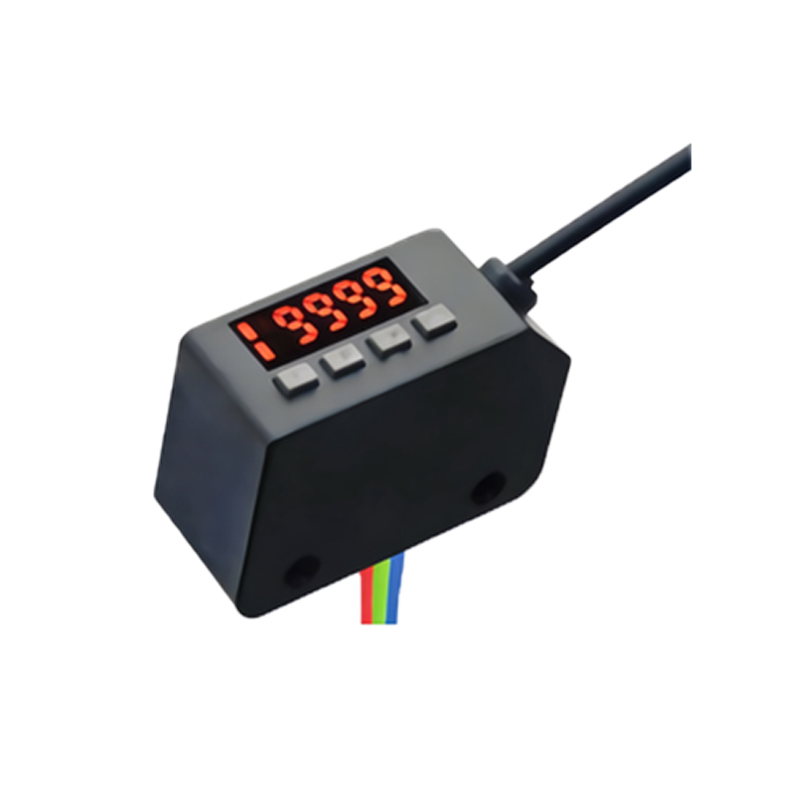
The operational efficacy of a UV254 sensor hinges on its meticulous design. At its heart is a photodetector, typically a silicon carbide (SiC) or aluminum gallium nitride (AlGaN) photodiode, chosen for its stable responsivity in the deep ultraviolet range. A key component is the integrated optical filter, often made from specialized glasses or thin-film coatings, which selectively transmits 254 nm light while aggressively blocking longer wavelengths. This filtering is paramount for signal integrity. The sensor circuitry includes a transimpedance amplifier to convert the minute photocurrent (often in the picoamp to nanoamp range) into a robust voltage signal. Advanced models incorporate compensation algorithms for temperature drift, as the photodiode's sensitivity can vary with operational temperature. For digital or smart sensors, this analog signal is digitized and processed by an onboard microcontroller, which may handle linearization, unit conversion, and communication via standard industrial protocols like 4-20 mA analog output, Modbus, or IO-Link.
Primary Industrial and Environmental Applications
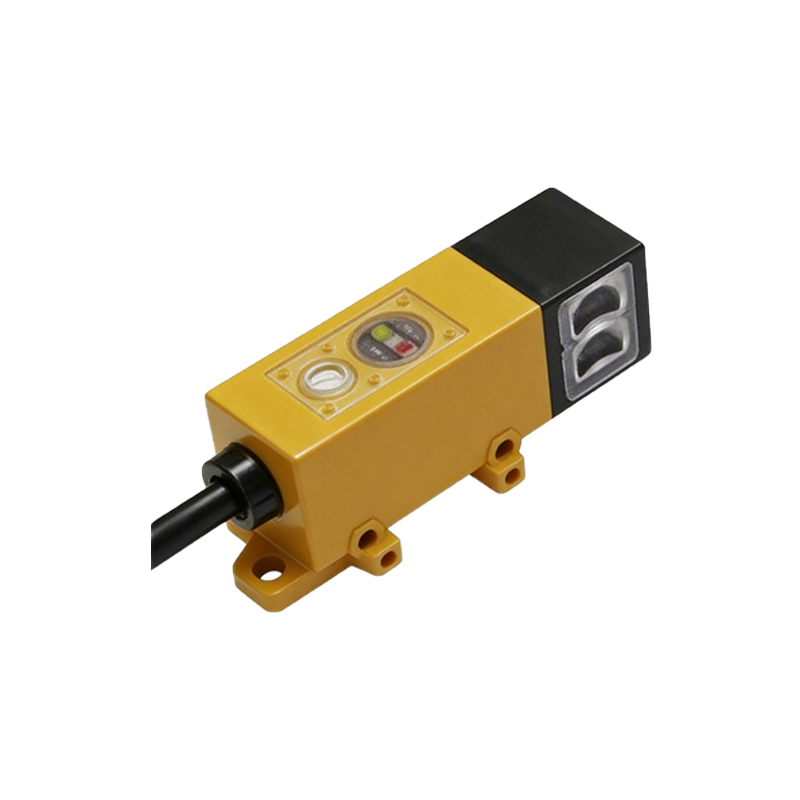
The unique detection capability of UV254 sensors makes them indispensable in several key sectors. In water and wastewater treatment, they are the cornerstone of UV disinfection system monitoring. They ensure the UV lamps emit sufficient germicidal intensity to inactivate pathogens like bacteria and viruses, providing real-time validation of treatment efficacy for regulatory compliance. In the environmental monitoring field, these sensors are deployed in continuous emissions monitoring systems (CEMS) to detect trace levels of gases like mercury vapor, sulfur compounds, and nitrogen oxides, which exhibit characteristic absorption at or near 254 nm. The pharmaceutical and semiconductor manufacturing industries utilize them for ozone monitoring and control, as ozone is both generated and decomposed by 254 nm light. Furthermore, they are used in flame detection systems for industrial burners, where they reliably distinguish the specific UV signature of a hydrocarbon flame from background radiation, enhancing safety in furnaces and boilers.
Critical Selection Criteria for System Integration
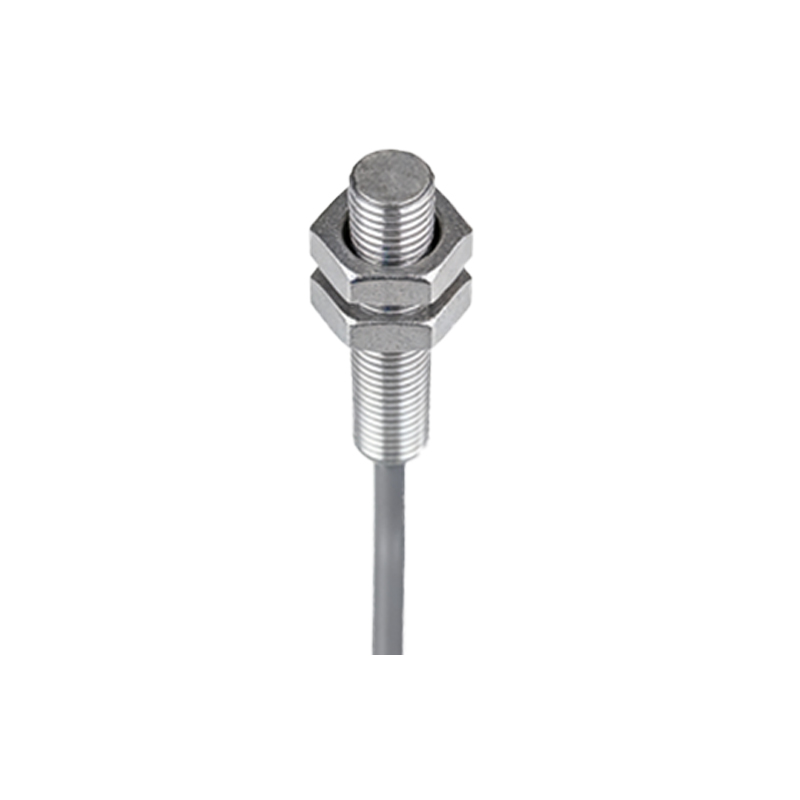
Selecting the appropriate UV254 sensor requires a detailed analysis of the application parameters. Key specifications include spectral bandwidth, typically with a full width at half maximum (FWHM) of around 10-20 nm centered on 254 nm, and optical accuracy, often stated as a percentage of reading. The measurement range, expressed in microwatts per square centimeter (µW/cm²), must align with expected intensity levels—from very low levels in environmental monitoring to high intensities in disinfection reactors. Response time is crucial for dynamic control loops. The sensor's construction material, usually stainless steel or specialized polymers resistant to UV degradation and chemical exposure, must suit the operating environment. Connectivity options (analog, digital, relay) and required accessories, such as mounting fixtures, sight windows (made of UV-transmitting quartz), and air purge fittings for dirty environments, are vital for seamless integration into existing control panels or SCADA systems.
Installation, Calibration, and Maintenance Best Practices
Proper installation is fundamental to sensor performance. The sensor must be positioned to have an unobstructed optical path to the target, whether it's a UV lamp, a gas stream, or a flame. For liquid or gas applications, a quartz viewport is necessary to protect the sensor while allowing UV transmission. Regular calibration against a NIST-traceable reference standard is essential to maintain measurement traceability and accuracy. Calibration intervals depend on the application's criticality but are typically recommended annually. Maintenance routines involve inspecting and cleaning the optical surface and quartz window to prevent fouling from dust, moisture, or chemical deposits, which can severely attenuate the UV signal. For sensors in harsh environments, verifying the integrity of seals and the functionality of air purge systems (if used) is a standard preventive measure to ensure long-term reliability and data consistency.
Advancements and Future Trends in UV254 Sensing
The evolution of UV254 sensor technology is driven by demands for greater intelligence, connectivity, and durability. Emerging trends include the development of "smart sensors" with embedded diagnostics that can alert users to lamp failure, window fouling, or drift beyond acceptable limits. The integration of IoT capabilities allows for remote monitoring and data analytics across distributed assets, enabling predictive maintenance strategies. Material science advancements are leading to more robust photodiodes and filters with longer service life and enhanced resistance to solarization (the darkening of materials under prolonged UV exposure). Furthermore, miniaturization efforts are opening new applications in portable and handheld monitoring equipment for field service technicians. The convergence of precise optical engineering with digital industrial networks continues to expand the role of the UV254 photoelectric sensor as a critical data point for process optimization, safety, and environmental stewardship.