Introduction to Inductive Proximity Sensing Technology
Inductive proximity sensors are fundamental components in modern industrial automation, offering non-contact detection of metallic objects. Operating on the principle of electromagnetic induction, these sensors generate an oscillating electromagnetic field from a coil. When a metallic target enters this field, eddy currents are induced within the target, causing a change in the oscillation amplitude. This change is detected by the sensor's circuitry, triggering a solid-state output signal. The technology is prized for its robustness, high switching frequency, and immunity to environmental factors like dust, oil, and moisture, making it ideal for harsh industrial environments. Unlike optical or capacitive sensors, inductive sensors specifically detect ferrous and non-ferrous metals, providing a reliable solution for countless positioning, counting, and detection tasks.
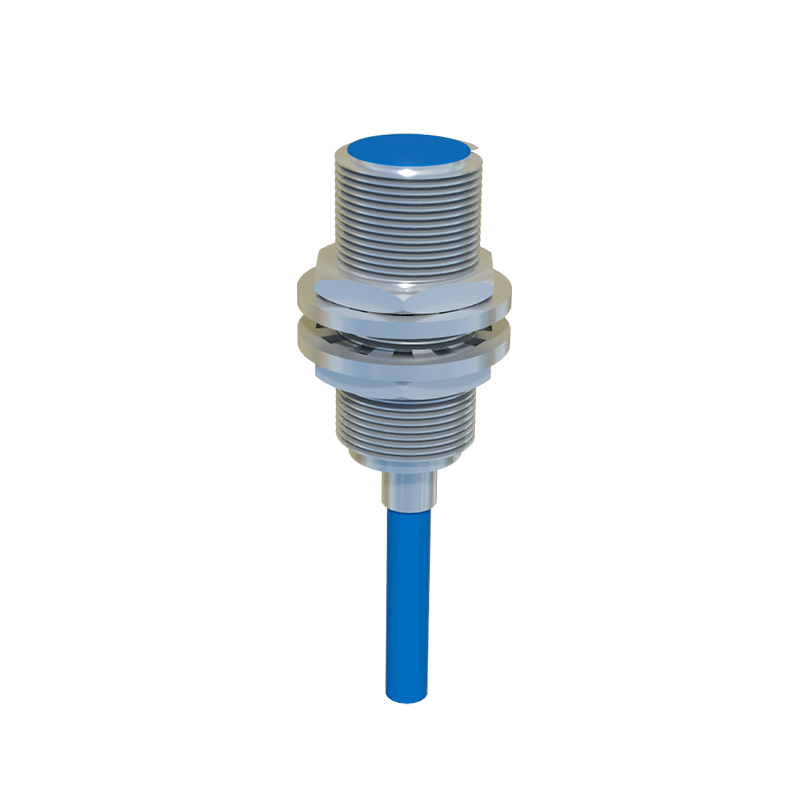
Case Study 1: Precision Positioning in Automotive Assembly Lines
A leading automotive manufacturer faced challenges with the precise positioning of engine blocks on a conveyor system for robotic machining. Mechanical limit switches were failing frequently due to physical wear and contamination from metal shavings and coolant. The solution involved retrofitting the line with cylindrical, shielded inductive proximity sensors. These sensors were mounted at critical verification points to detect the presence of the engine block's cast-iron structure before allowing the robotic arm to proceed. The sensors' high repeat accuracy of ±0.1mm ensured the engine was perfectly positioned for each machining operation. The switch to non-contact sensing eliminated mechanical wear, drastically reduced downtime for maintenance, and improved overall process reliability. The shielded design allowed for flush mounting in metal, saving space and preventing damage from passing machinery.
Case Study 2: High-Speed Counting in Packaging Machinery
In the fast-moving consumer goods sector, a packaging machine for canned beverages required reliable can counting before grouping and boxing. Photoelectric sensors were initially used but suffered from false triggers due to label reflectivity, condensation on cans, and accumulated dust. The implementation of miniature, tubular inductive proximity sensors solved these issues. Mounted along the conveyor lane, the sensors detected the metal body of each aluminum can as it passed. With a switching frequency of 5 kHz, the sensors easily kept pace with the high line speed of over 1000 cans per minute. Their insensitivity to the cans' labels, liquid content, and ambient light conditions resulted in a 99.9% counting accuracy. This reliable data was fed to the PLC, which controlled the precise timing of the pusher mechanism for case packing, optimizing material flow and reducing waste.
Case Study 3: Safety and Monitoring in Metal Stamping Presses
Metal stamping presses present significant safety hazards. A safety system was designed to ensure that the operator's hands were clear of the die area before the press cycle could initiate. Inductive proximity sensors played a dual role in this application. First, robust, long-range sensors were used as part of a presence-sensing device initiation (PSDI) system, creating an invisible detection field. Second, small-factor sensors were embedded to monitor the position of the safety guards, ensuring they were fully closed. The sensors' ability to function reliably in an environment filled with vibration, metallic dust, and oil mist was critical. Their fail-safe design and high integrity level contributed to a Safety Integrity Level (SIL) 2 rated system, protecting personnel and preventing costly damage to the press and dies from unintended operation.
Case Study 4: Wear Detection and Predictive Maintenance on Conveyor Systems
Predictive maintenance is key to avoiding unplanned stoppages. In a mining operation, heavy-duty conveyor belts transport iron ore. The steel-reinforced belts are subject to wear and potential breakage. Inductive proximity sensors with analog current (4-20 mA) outputs were installed to monitor the thickness of the steel cord within the belt at a strategic inspection point. As the belt wears, the distance between the sensor face and the steel cords increases, causing a proportional change in the analog signal. This continuous data is logged and analyzed by a supervisory system. By establishing a baseline and monitoring the trend, maintenance teams can predict belt failure weeks in advance, schedule replacements during planned outages, and avoid catastrophic, production-halting breaks. This application showcases the sensor's utility beyond simple on/off detection.
Selection Criteria and Best Practices for Implementation
Selecting the correct inductive sensor requires careful analysis. Key factors include the target material (steel, aluminum, brass), the required sensing distance (nominal vs. practical), the sensor housing style (cylindrical, rectangular, ring-shaped), and output type (PNP/NPN, NO/NC, analog). Environmental ratings, such as IP67 or IP69K for washdown areas, are crucial. For optimal