Introduction to Photoelectric Sensors
Photoelectric sensors are widely used in industrial automation for detecting objects, measuring distances, and ensuring precise control in various applications. These sensors operate by emitting a light beam—typically infrared, visible, or laser—and detecting changes in the light pattern when an object interrupts or reflects the beam. The core principle relies on the interaction between light and the target, making the characteristics of the emitted light spot a critical factor in sensor performance. In this article, we will explore the significance of the light spot in photoelectric sensors, examining how it influences accuracy, reliability, and overall system efficiency. Understanding this aspect is essential for engineers and technicians to optimize sensor selection and deployment in complex industrial environments.
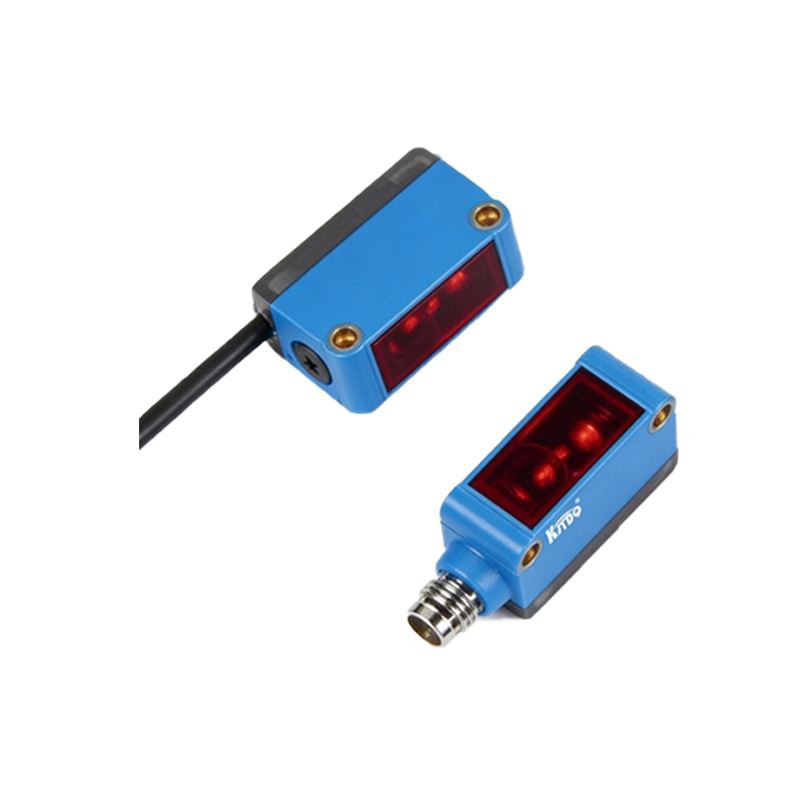
What is the Light Spot in Photoelectric Sensors?
The light spot refers to the area where the emitted light beam from a photoelectric sensor converges or spreads upon reaching a target surface. It is defined by factors such as the light source type (e.g., LED or laser), lens design, and distance from the sensor. In diffuse or reflective sensors, the spot size determines the detection zone, while in through-beam or retro-reflective models, it affects alignment precision. A well-defined spot ensures that the sensor can accurately distinguish between objects and background, minimizing false triggers. For instance, a small, focused spot is ideal for detecting tiny parts or edges, whereas a larger spot may be suitable for bulk material sensing. Thus, the spot's size, shape, and intensity directly impact the sensor's functionality.
Importance of Light Spot Size and Shape
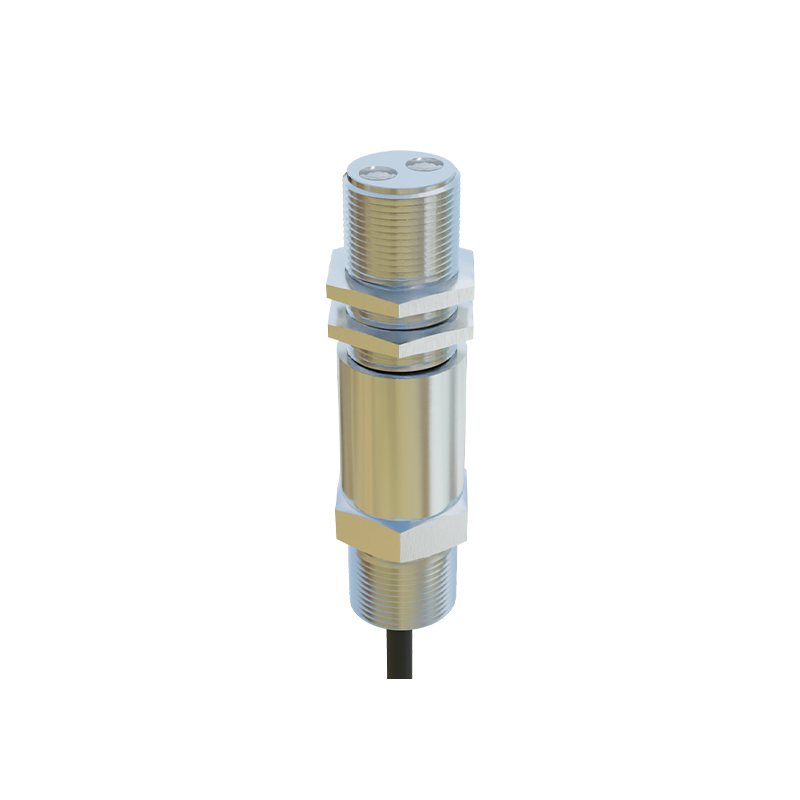
The size and shape of the light spot are paramount in photoelectric sensing applications. A smaller spot enhances resolution, allowing the sensor to detect minute objects or precise positions, which is crucial in high-precision industries like electronics manufacturing or robotics. Conversely, a larger spot can cover broader areas, useful in packaging or conveyor systems where object size varies. The shape—often circular or elliptical—affects how light interacts with surfaces; a uniform shape ensures consistent detection, especially on irregular or reflective materials. Engineers must consider these parameters to avoid issues like oversensing or missed detections. For example, in a bottling plant, an improperly sized spot might fail to sense transparent containers, leading to production errors. Therefore, selecting a sensor with an appropriate spot profile is key to operational efficiency.
Impact on Detection Accuracy and Range
Detection accuracy and range are heavily influenced by the light spot characteristics. A focused spot maintains intensity over longer distances, enabling extended sensing ranges in through-beam sensors. In contrast, a diffuse spot may scatter, reducing range and causing unreliable readings in dusty or humid conditions. Accuracy depends on how sharply the spot defines the target boundary; a blurry or oversized spot can lead to positional errors, affecting automated processes like sorting or assembly. Additionally, spot consistency ensures repeatability, which is vital for quality control in industries such as automotive or pharmaceuticals. By optimizing the spot through proper lens alignment and sensor calibration, engineers can achieve higher precision and reduce maintenance downtime, ultimately boosting productivity.
Role in Environmental Adaptability
Environmental factors like ambient light, temperature, and surface reflectivity interact with the light spot, affecting sensor performance. A concentrated spot is less susceptible to interference from external light sources, making it suitable for outdoor or brightly lit settings. On reflective surfaces, a small spot minimizes glare, preventing false signals, while on dark or absorbent materials, a larger spot with higher intensity may be necessary for reliable detection. Temperature fluctuations can alter spot properties due to lens expansion or light source degradation, so robust sensor design is essential. Engineers should evaluate these conditions during installation, possibly using sensors with adjustable spots or protective housings. This adaptability ensures longevity and reduces errors in challenging industrial environments, from food processing to heavy machinery.
Practical Considerations for Selection and Use
When selecting a photoelectric sensor, engineers should assess the light spot requirements based on the application. Key considerations include target size, distance, surface texture, and environmental conditions. For precise tasks, laser-based sensors with tiny spots offer superior accuracy, while LED-based sensors with larger spots provide cost-effective solutions for general purposes. Regular maintenance, such as cleaning lenses and checking alignment, helps preserve spot integrity. In practice, testing the sensor in situ can reveal spot-related issues early, allowing adjustments before full-scale deployment. By prioritizing the light spot's role, professionals can enhance system reliability, reduce waste, and improve safety in automated processes. Ultimately, the light spot is not just a technical detail but a fundamental aspect that drives sensor efficacy.
Conclusion
In summary, the light spot of a photoelectric sensor is undeniably important, as it directly affects detection capability, accuracy, and adaptability in industrial applications. From size and shape to environmental interactions, each aspect plays a crucial role in ensuring optimal performance. Engineers must carefully evaluate spot characteristics during sensor selection and implementation to meet specific operational needs. By doing so, they can leverage photoelectric sensors to achieve higher efficiency, reduce errors, and maintain robust automation systems. As technology advances, innovations in light spot control will continue to enhance sensor capabilities, making this a key area for ongoing attention in the electrical engineering field.