Introduction to Tyco Photoelectric Sensors
Tyco Electronics, now part of TE Connectivity, has established a formidable reputation in the industrial sensing landscape. Their photoelectric sensors are engineered to deliver exceptional performance in diverse and demanding environments. These devices operate on the fundamental principle of detecting the presence, absence, or distance of an object using a light transmitter and receiver. The core technology involves emitting a beam of light—visible red, infrared, or laser—and analyzing the reflected or interrupted signal. This simple yet robust mechanism forms the backbone of countless automation processes, from packaging lines to automotive assembly. The precision of Tyco's offerings ensures that even the smallest components or most subtle positional changes are reliably detected, minimizing errors and maximizing throughput. Engineers and system integrators consistently choose these sensors for their proven track record in critical applications where failure is not an option.
Core Technologies and Operating Modes
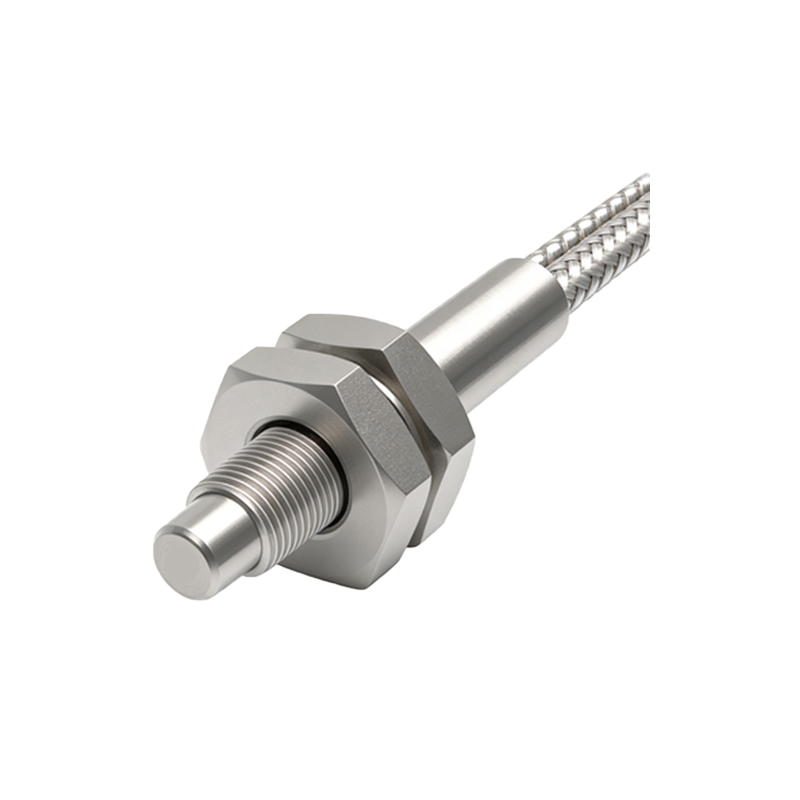
Tyco photoelectric sensors are available in several key operating modes, each tailored for specific application challenges. The through-beam mode, featuring separate transmitter and receiver units, offers the longest sensing range and highest reliability, ideal for detecting opaque objects on high-speed conveyors. Retro-reflective mode utilizes a single housing with a built-in reflector target, providing a convenient solution for medium-range detection where mounting two separate units is impractical. Diffuse mode, or proximity sensing, relies on the reflection of light directly from the target object itself, making it perfect for detecting objects at close range without a separate reflector. Advanced models incorporate background suppression technology, which allows them to ignore distant backgrounds and focus only on objects within a precise window, and polarized filters to reject false signals from shiny surfaces. Tyco's innovation in laser-based triangulation sensors provides micron-level accuracy for precise distance measurement and contour profiling.
Robust Design for Harsh Environments
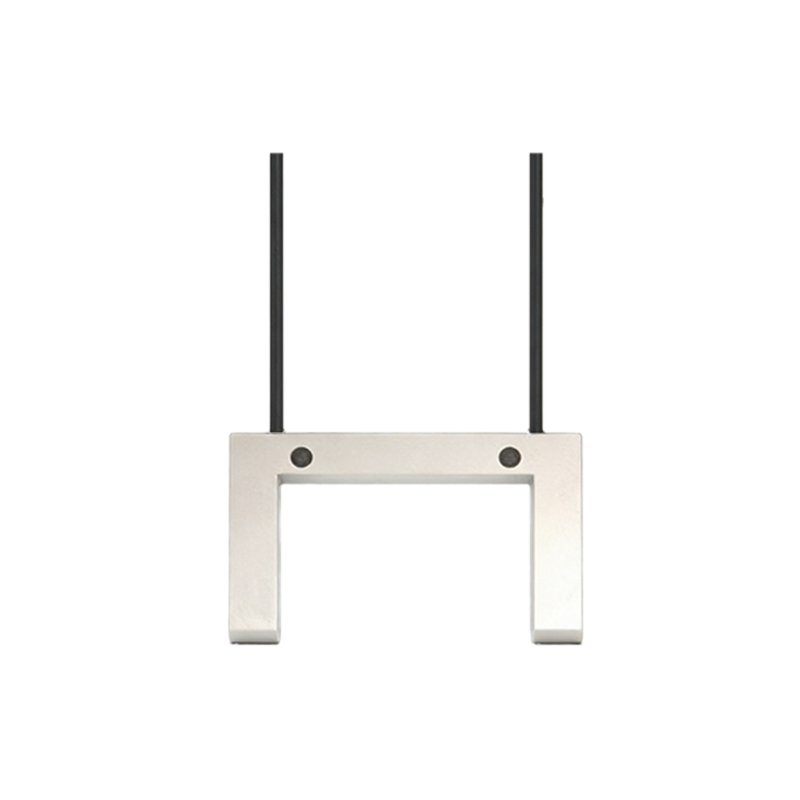
Industrial settings are fraught with challenges such as dust, moisture, vibration, and extreme temperatures. Tyco photoelectric sensors are built to withstand these rigors. Housings are typically constructed from durable materials like stainless steel or ruggedized plastics with high IP (Ingress Protection) ratings, such as IP67 or IP69K, ensuring complete protection against dust ingress and high-pressure water jets. The optical components are sealed to prevent fogging or contamination, which could degrade the light signal. Electrical connections are designed for secure, vibration-resistant mating, and circuitry is protected against voltage spikes and electromagnetic interference (EMI). This robust design philosophy guarantees consistent operation in environments ranging from food and beverage processing, with frequent washdowns, to heavy machinery workshops with constant shock and particulate matter.
Key Features and Performance Specifications
When selecting a Tyco photoelectric sensor, several performance parameters are critical. Sensing range is a primary consideration, with models available from a few centimeters up to several tens of meters. Response time, often in the microsecond range, determines how fast the sensor can detect a change and send a signal to the controller, which is vital for high-speed production lines. Light sources include long-life LEDs and laser diodes, with visible beams aiding in setup and alignment. Many Tyco sensors feature built-in diagnostics, such as stability indicators or teach-in functions for easy configuration of sensitivity and switching points. Output options are versatile, including discrete NPN/PNP transistor outputs, analog current or voltage outputs for proportional measurement, and digital IO-Link communication for advanced parameter setting and diagnostic data exchange, facilitating integration into Industry 4.0 smart factory networks.
Application Scenarios Across Industries
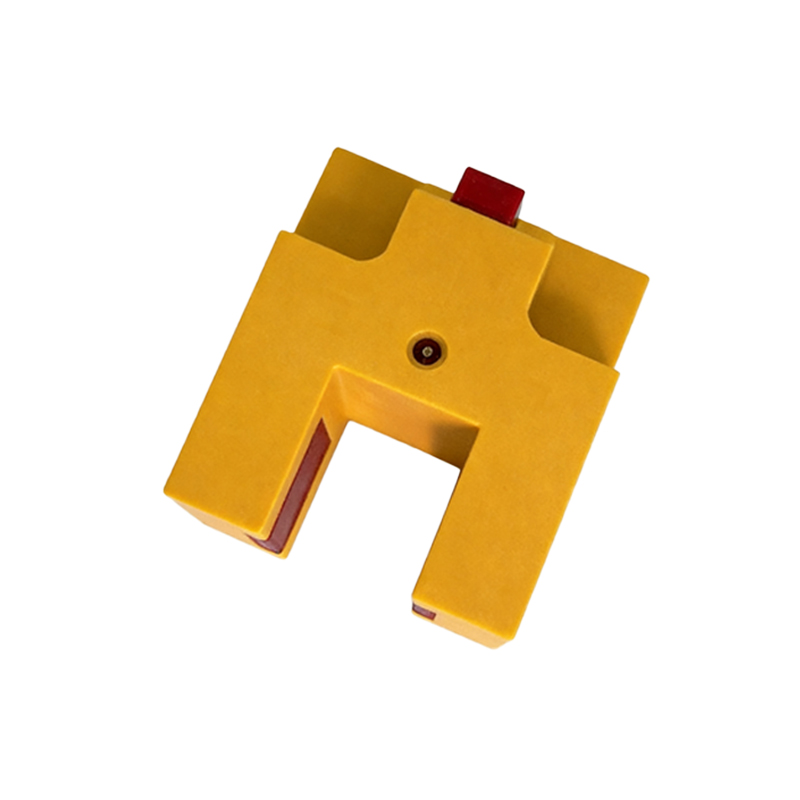
The versatility of Tyco photoelectric sensors makes them indispensable across a broad industrial spectrum. In material handling and logistics, they are used for object detection on conveyor belts, pallet positioning, and box counting. Within the automotive industry, they ensure precise part placement in robotic assembly cells and verify the presence of components on fast-moving production lines. In packaging machinery, they detect labels, control fill levels, and inspect seal integrity. Semiconductor and electronics manufacturing rely on their high precision for wafer handling and component placement. Furthermore, they play a safety role in automated guided vehicles (AGVs) for obstacle detection and in access control systems for personnel safety. Their ability to detect objects regardless of material—metal, plastic, glass, or liquid—adds to their universal utility.
Integration and Best Practices
Successful integration of Tyco photoelectric sensors into an automation system requires careful planning. Mounting stability is paramount; even slight movement can misalign the beam and cause detection failures. The sensor must be positioned to account for the target object's color, surface finish, and size, as these affect reflectivity. For through-beam and retro-reflective sensors, maintaining a clean optical path is essential, as accumulated dirt can attenuate the light signal. Electrical wiring should follow EMC guidelines, with proper shielding and separation from power lines to prevent noise interference. Utilizing the sensor's adjustable sensitivity feature can help fine-tune performance to ignore unwanted background objects. Regular maintenance, including lens cleaning and functional verification, is recommended as part of a predictive maintenance schedule to ensure long-term, trouble-free operation and avoid unplanned downtime.
The Future with Smart Sensing Solutions
The evolution of Tyco photoelectric sensors is closely aligned with the trends of industrial digitalization. The integration of IO-Link communication transforms a simple binary sensor into an intelligent data point. This allows for remote monitoring of device health, such as lens contamination levels or internal temperature, and dynamic reconfiguration of operating parameters without physical access to the sensor. Future advancements may include enhanced embedded intelligence for predictive analytics, tighter integration with machine vision systems for complex inspection tasks, and even more compact form factors for space-constrained applications. As part of TE Connectivity's portfolio, Tyco sensors will continue to leverage material science and connectivity expertise to push the boundaries of reliability, precision, and connectivity, solidifying their role as a cornerstone of modern industrial automation ecosystems.