Introduction to Non-Embedded Proximity Sensors
Non-embedded proximity switch sensors, often referred to as self-contained or self-powered sensors, represent a critical category of industrial sensing devices. Unlike their embedded counterparts, which are designed to be integrated directly into machine housings or structures, non-embedded sensors are standalone units. They are typically mounted externally using brackets or threaded barrels, offering unparalleled flexibility in installation and maintenance. These sensors operate without physical contact with the target object, detecting its presence, absence, or position through various physical principles. This fundamental characteristic makes them ideal for harsh industrial environments where mechanical wear, contamination, or high-speed operation would compromise traditional mechanical limit switches. Their robust construction and versatile mounting options have cemented their role as indispensable components in automation, material handling, packaging, and automotive manufacturing lines worldwide.
Core Operating Principles and Technologies
The functionality of non-embedded proximity sensors hinges on several distinct technologies, each suited to specific applications and target materials. Inductive proximity sensors are the most common type, generating an electromagnetic field to detect metallic objects, primarily ferrous metals like steel and iron. Capacitive proximity sensors, on the other hand, can detect both metallic and non-metallic materials—such as plastics, wood, liquids, and granules—by measuring changes in capacitance. Ultrasonic sensors utilize sound waves to detect objects and measure distance, effective for a wide range of materials and challenging conditions like dust or fog. Finally, photoelectric sensors employ a beam of light (visible, infrared, or laser) to sense objects. Each technology offers unique advantages in terms of sensing range, response time, environmental immunity, and target material compatibility, allowing engineers to select the optimal sensor for a given task.
Key Advantages in Industrial Settings
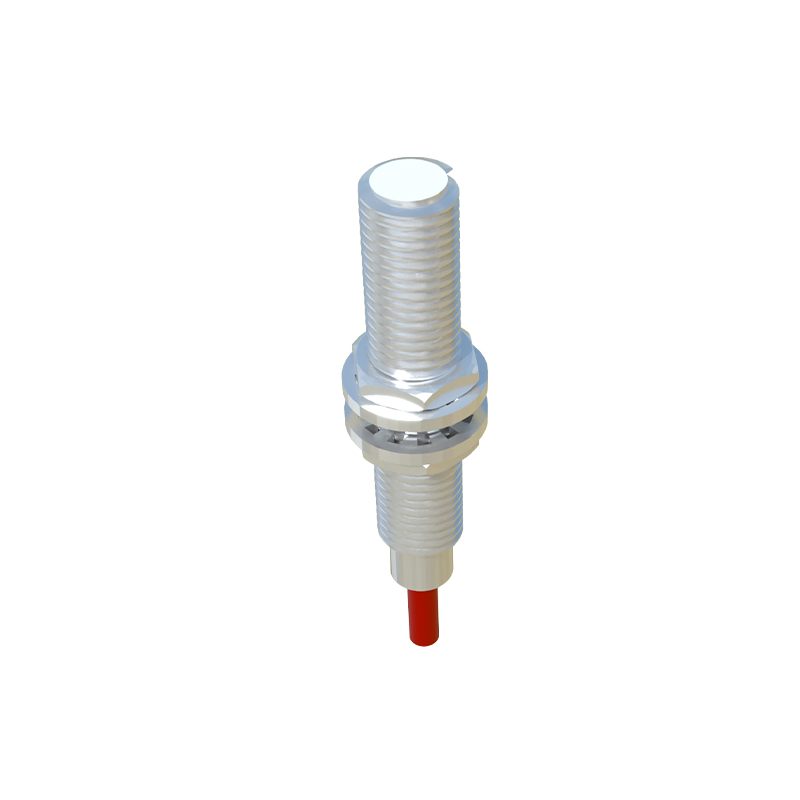
The primary advantage of non-embedded proximity sensors lies in their ease of installation and configuration. Their standalone nature allows for quick mounting, adjustment, and replacement without extensive machine downtime or disassembly. This modularity significantly reduces maintenance costs and improves overall system uptime. Furthermore, their non-contact operation eliminates mechanical wear on both the sensor and the target, ensuring long-term reliability and consistent performance. They are inherently resistant to environmental contaminants like oil, coolant, and dust, especially when housed in rugged, sealed enclosures with high IP (Ingress Protection) ratings. Their fast switching speeds, often in the microsecond range, enable precise detection in high-speed automation processes. The availability of diverse output types (e.g., NPN, PNP, analog, IO-Link) and housing shapes (cylindrical, rectangular, block-style) provides seamless integration with modern programmable logic controllers (PLCs) and control systems.
Critical Selection Criteria for Engineers
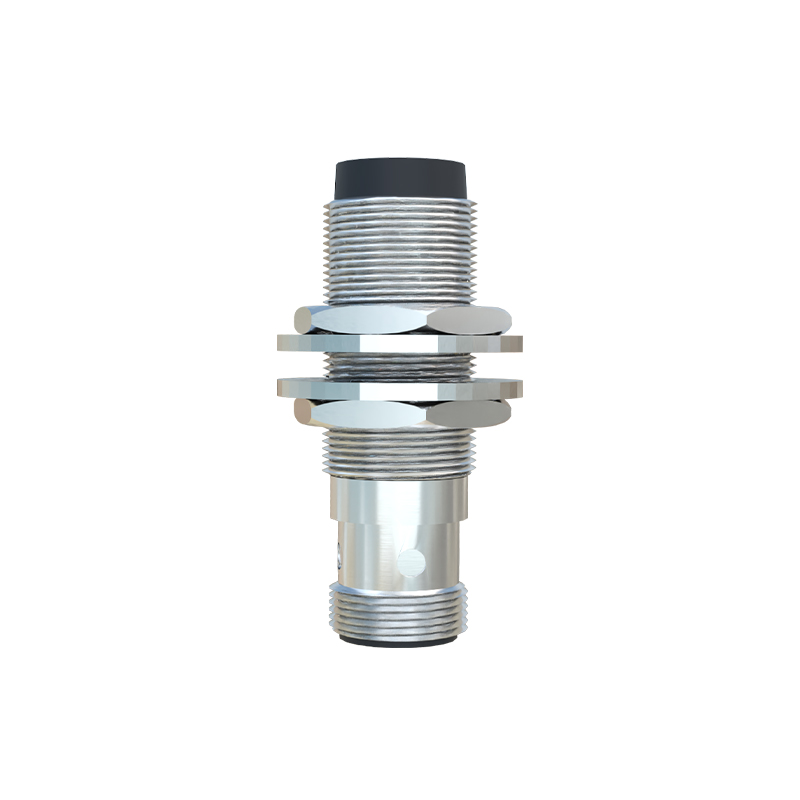
Selecting the appropriate non-embedded proximity sensor requires a careful analysis of several application parameters. The sensing distance, or nominal range, must be specified with a safety margin, considering factors like target material, size, and approach direction. The sensor's housing material and size must be compatible with the available mounting space and environmental conditions, such as exposure to chemicals or extreme temperatures. Electrical characteristics are paramount: the operating voltage (commonly 10-30V DC or 90-250V AC), output current capacity, and wiring scheme (2-wire, 3-wire, or 4-wire) must match the control system's requirements. For demanding applications, features like short-circuit protection, reverse polarity protection, and immunity to electromagnetic interference (EMI) are essential. Engineers must also consider the target's properties—whether it is metallic or non-metallic, its size, and if it is a standard or non-standard shape—to choose between inductive, capacitive, ultrasonic, or photoelectric sensing technology.
Installation, Alignment, and Troubleshooting Best Practices
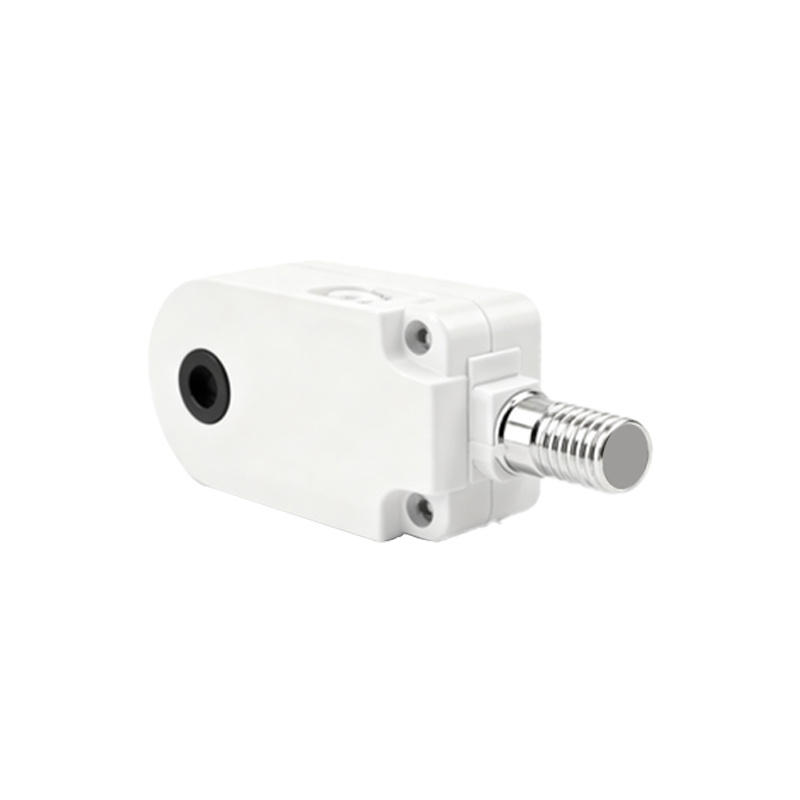
Proper installation is crucial for reliable sensor operation. Mounting must be secure to prevent vibration-induced misalignment or damage. For inductive and capacitive sensors, maintaining the specified lateral and axial distance from metal surroundings (the "mounting flush" condition) is necessary to avoid false triggering or reduced sensing range. Photoelectric and ultrasonic sensors require precise alignment of the emitter and receiver or a clear, unobstructed path to the target. Environmental factors such as ambient light (for photoelectric sensors), airborne particles, or temperature fluctuations should be mitigated. Common troubleshooting steps include verifying power supply voltage, checking wiring connections, ensuring the target is within the effective sensing range, and inspecting the sensor face for accumulated debris. Many modern sensors feature LED status indicators that provide immediate visual feedback on power and output state, greatly simplifying diagnostics.
Future Trends and Smart Sensor Integration
The evolution of non-embedded proximity sensors is closely tied to the rise of Industry 4.0 and the Industrial Internet