Introduction to Human Presence Detection
Proximity sensors designed for human presence detection represent a sophisticated category of sensing technology. Unlike simple motion detectors, these sensors are engineered to identify the static or dynamic presence of a person within a defined area. They operate on the principle of detecting subtle changes in the environment caused by a human body, such as infrared radiation, capacitance variation, or microwave reflection. This capability is fundamental for creating intelligent, responsive, and energy-efficient systems in both residential and industrial settings. The core objective is to provide reliable detection without physical contact, enabling seamless automation and enhanced safety protocols.
Core Sensing Technologies and Operating Principles
Several key technologies underpin modern human presence proximity sensors. Passive Infrared (PIR) sensors are widely used, detecting changes in infrared radiation emitted by the human body. However, advanced PIR sensors now incorporate microphonics and intelligent algorithms to distinguish between stationary and moving occupants. Microwave (Radar) sensors emit continuous low-power microwave signals and analyze the reflected waves (Doppler shift) to detect even the slightest movements, including breathing, making them highly sensitive. Ultrasonic sensors function similarly, using sound waves. Capacitive sensors detect changes in an electrostatic field caused by the proximity of a human body, excelling in very short-range applications. Often, multi-technology fusion sensors combine PIR and microwave to minimize false triggers and maximize reliability, using one technology to verify the signal from the other.
Critical Performance Parameters and Specifications
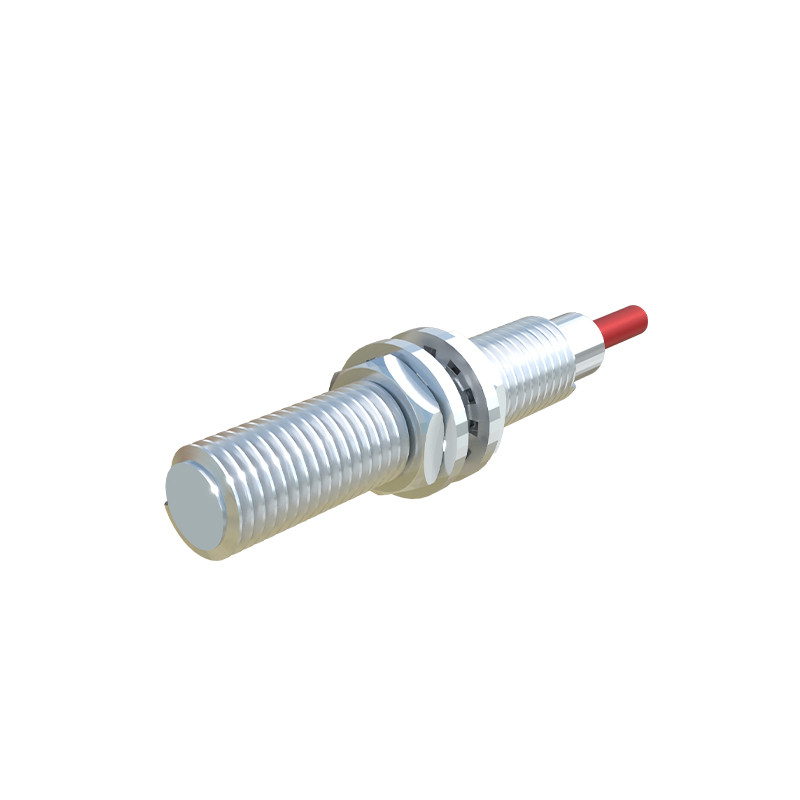
Selecting the appropriate sensor requires a deep understanding of its technical specifications. Detection range defines the maximum distance at which a presence can be reliably sensed, varying from a few centimeters to over ten meters. The field of view, described in degrees, determines the coverage area—wide for open spaces, narrow for corridors. Sensitivity adjustment is crucial for adapting to different environments and avoiding false alarms from pets or HVAC systems. Response time indicates how quickly the sensor reacts to a presence, critical for security applications. Power consumption, especially for battery-operated devices, is a key consideration, with technologies like radar offering a good balance of sensitivity and low power. Environmental ratings for ingress protection (IP) and operating temperature ensure durability.
Industrial and Commercial Applications
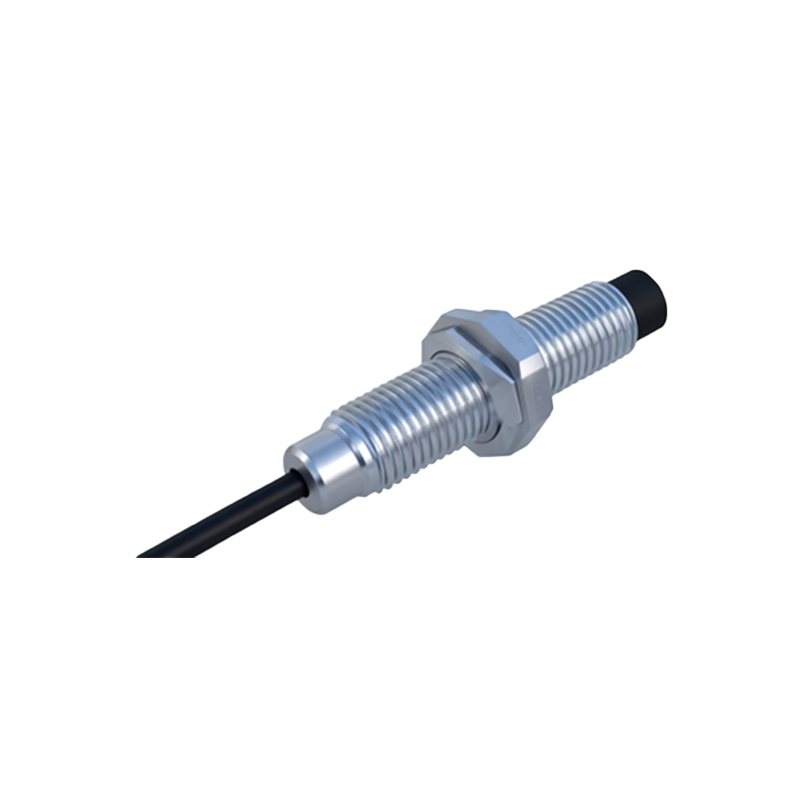
In industrial automation, these sensors enhance safety and operational efficiency. They are integrated into machinery guards to prevent operation if a worker is within a hazardous zone, fulfilling safety category requirements. On smart production lines, they detect an operator's presence to trigger the correct human-machine interface (HMI) display or tool selection. For energy management in commercial buildings, sensors control lighting, HVAC, and office equipment based on room occupancy, leading to significant energy savings. They are also pivotal in security and access control systems, activating surveillance or granting access upon authorized presence detection.
Residential and Smart Building Integration
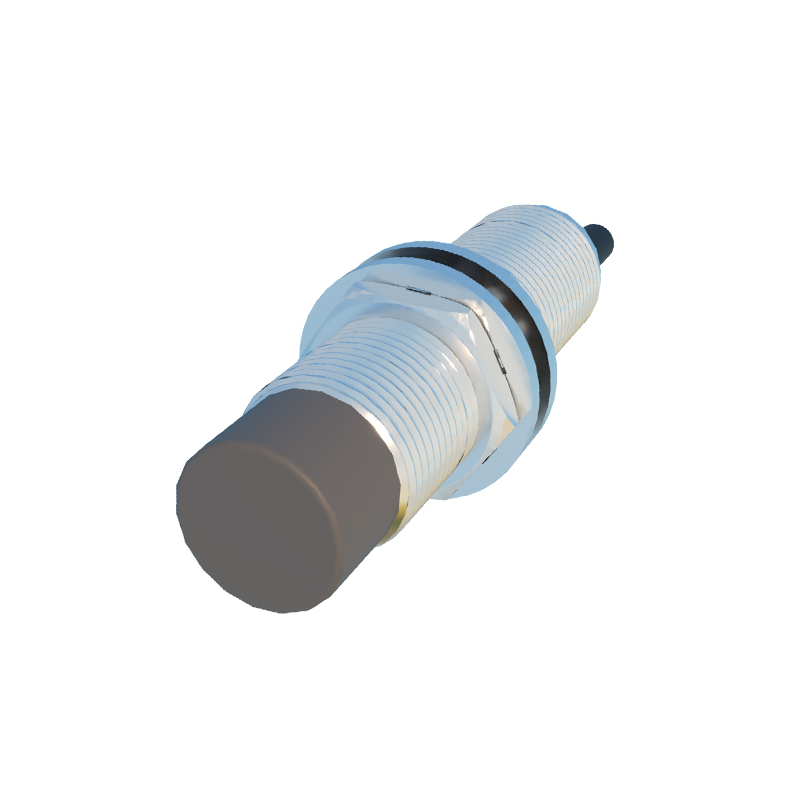
The smart home ecosystem heavily relies on advanced presence detection. Beyond simple light switching, sensors enable nuanced automation: maintaining climate control in occupied rooms while saving energy in empty ones, pausing media systems when no one is watching, or enhancing home security by detecting unusual presence patterns. Integration with building management systems (BMS) allows for centralized monitoring and control of lighting, air quality, and space utilization across entire facilities, contributing to both sustainability goals and occupant comfort.
Installation, Calibration, and Best Practices
Proper installation is paramount for optimal performance. Sensor placement must consider the field of view to avoid blind spots and prevent direct exposure to interfering sources like sunlight, air vents, or vibrating machinery. Mounting height and angle significantly influence the detection pattern. Calibration, often via potentiometers or digital interfaces, allows fine-tuning of sensitivity and time delay after the area becomes vacant. Best practices include conducting a site survey before installation, testing the sensor under normal operating conditions, and implementing regular maintenance checks to ensure the lens or emitter surface remains clean and unobstructed.
Selection Guide and Future Trends
Choosing the right sensor involves a systematic approach. First, define the primary application: safety, energy saving, or convenience. Next, assess the environmental conditions (dust, temperature, humidity). Determine the required detection range, coverage pattern, and necessary response speed. Evaluate the need for discrimination capabilities, such as ignoring pets. Finally, consider the output signal type (digital, analog, IO-Link) for integration with controllers. The future points toward smarter, more integrated sensors with embedded artificial intelligence for behavioral analysis, lower power consumption enabled by new materials and circuits, and enhanced privacy-focused sensing that detects presence without identifying individuals, facilitating wider adoption.