Introduction to Proximity Photoelectric Sensors
Proximity photoelectric sensors, commonly referred to as light curtains or safety light screens, are critical components in modern industrial automation. These devices operate by emitting a beam of light—typically infrared, visible red, or laser—and detecting changes in the received light signal to sense the presence, absence, or position of an object without physical contact. They are prized for their high precision, fast response times, and ability to function in harsh environments where dust, moisture, or vibrations are present. Unlike mechanical limit switches, photoelectric sensors offer non-contact detection, reducing wear and tear and minimizing maintenance needs. Their applications span from simple object detection on conveyor belts to complex safety systems guarding hazardous machinery. The core principle involves a transmitter and a receiver; when an object interrupts the light beam, the sensor triggers an output signal, which can be used to control machinery, initiate processes, or activate safety protocols. This makes them indispensable in industries such as manufacturing, packaging, automotive, and material handling, where reliability and accuracy are paramount.
Through-Beam Sensors
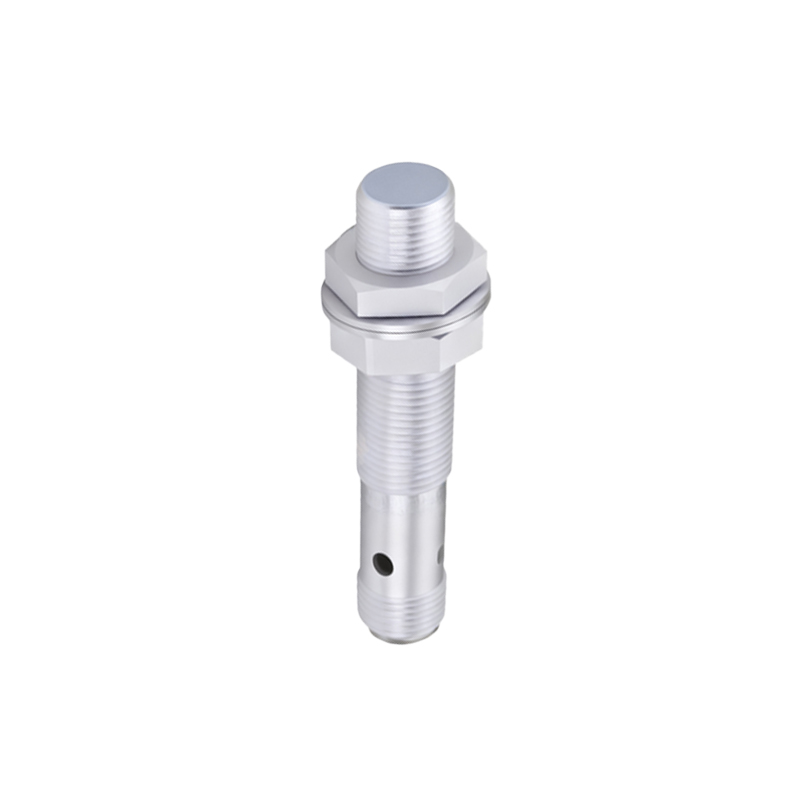
Through-beam sensors, also known as opposed-mode sensors, consist of separate transmitter and receiver units placed opposite each other. The transmitter emits a continuous light beam directed at the receiver. When an object passes between them, it interrupts the beam, causing the receiver to detect a drop in light intensity and send a signal. This design offers the longest sensing ranges among photoelectric sensors, often exceeding 100 meters in ideal conditions, and provides high immunity to environmental factors like dirt or misalignment. Due to their robustness, through-beam sensors are ideal for applications requiring reliable detection over large distances, such as monitoring entry points in automated warehouses, detecting large objects on production lines, or ensuring safety in perimeter guarding systems. However, they require precise alignment during installation and more wiring since two separate units are involved, which can increase initial setup complexity and cost.
Retroreflective Sensors
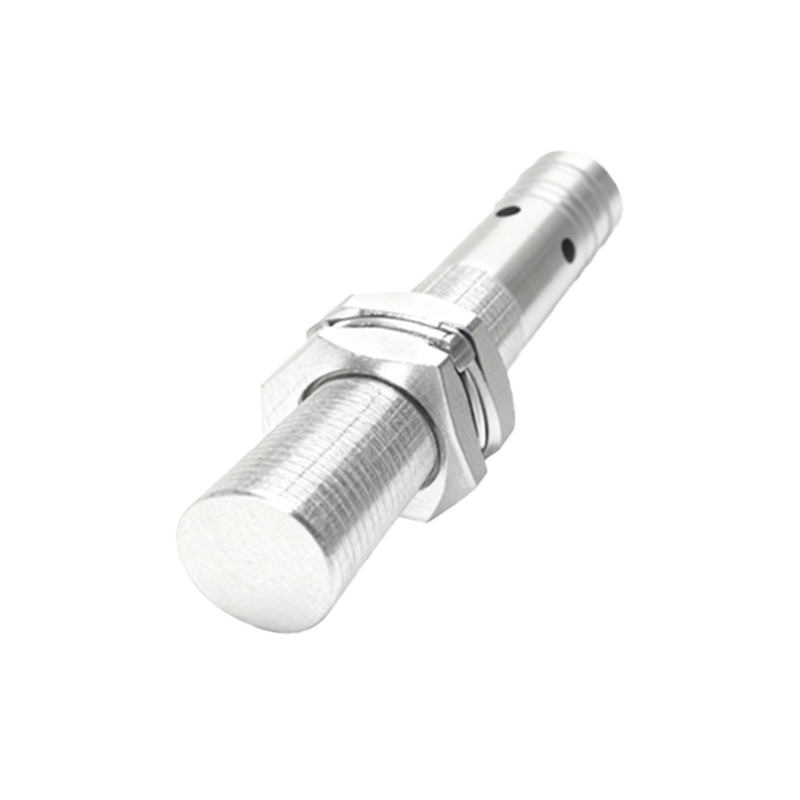
Retroreflective sensors combine the transmitter and receiver into a single housing, using a reflector (typically a corner-cube reflector) placed opposite to bounce the light beam back to the receiver. When an object interrupts the reflected beam, the sensor activates. This type offers a moderate sensing range, usually up to 10-20 meters, and simplifies installation compared to through-beam sensors because only one wiring point is needed. Retroreflective sensors are widely used in packaging, conveyor systems, and door control applications where space is limited. A key consideration is that highly reflective objects might falsely trigger the sensor, so models with polarization filters are available to distinguish between the reflector and shiny surfaces. They are cost-effective for medium-range detection but may be less suitable in environments with excessive dust or vibrations that could affect reflector alignment.
Diffuse Reflective Sensors
Diffuse reflective sensors, or proximity-mode sensors, integrate both transmitter and receiver in one unit and detect objects by measuring the light reflected directly off the target's surface. They do not require a separate reflector, making them easy to install and adjust. The sensing range is shorter, typically from a few centimeters to about 2 meters, depending on the object's reflectivity and color—lighter objects reflect more light and are detected at greater distances. These sensors are versatile for close-range applications, such as detecting products on assembly lines, counting items, or monitoring fill levels in containers. However, their performance can vary with surface properties, and they may struggle with dark or non-reflective materials. Advanced models feature background suppression or fixed-field technology to ignore distant objects and improve accuracy in challenging conditions.
Background Suppression Sensors
Background suppression sensors are a specialized subtype of diffuse reflective sensors designed to ignore objects beyond a set distance. They use triangulation or optical methods to measure the angle of reflected light, allowing them to detect only objects within a specific range while ignoring the background. This makes them ideal for applications where the target is close to other surfaces, such as detecting transparent bottles on a conveyor or ensuring precise positioning in robotic arms. With sensing ranges adjustable from millimeters to meters, they offer high precision in complex environments. These sensors are commonly used in electronics manufacturing, pharmaceutical packaging, and automotive assembly, where reliable detection of varied materials is crucial. Their ability to minimize false triggers enhances system efficiency and safety.
Fiber Optic Photoelectric Sensors
Fiber optic photoelectric sensors use flexible fiber optic cables to transmit light between the sensor amplifier and the sensing point. The amplifier contains the light source and receiver, while the fiber cable guides the light to and from the target area. This design allows the sensing head to be extremely small and fit into tight spaces, high-temperature zones, or hazardous environments