Introduction to 2x Distance Photoelectric Sensors
Photoelectric sensors are fundamental components in industrial automation, providing non-contact detection of objects. Among the various types, the 2x distance photoelectric sensor represents a specific and highly useful configuration. This term refers to a sensor whose operating distance—the maximum range at which it can reliably detect a standard target—is effectively doubled compared to a standard diffuse or retro-reflective sensor under similar conditions. This enhanced range is achieved not by simply increasing power, but through sophisticated optical and electronic design, making it a critical solution for applications requiring longer sensing ranges without compromising reliability.
Core Operating Principle and Technology
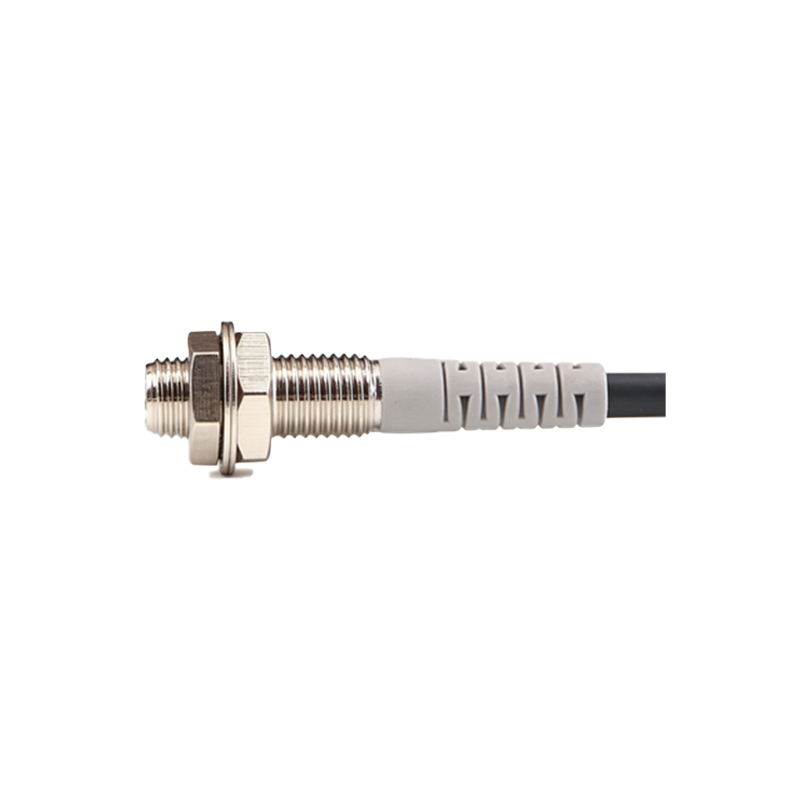
The "2x distance" capability is primarily associated with diffuse (proximity) sensors. A standard diffuse sensor emits a light beam (typically infrared, red, or laser) and detects the light scattered back from the target object. Its sensing range is limited by the intensity of the reflected light. A 2x distance sensor incorporates advanced features to overcome this limitation. Key technologies include a highly sensitive receiver element, often a phototransistor or specialized IC, and a focused lens system that maximizes light collection from distant objects. Furthermore, sophisticated background suppression techniques, sometimes using triangulation principles, allow the sensor to ignore reflections from surfaces beyond the set sensing point. This combination enables stable detection at approximately twice the standard range for a given housing size and light source.
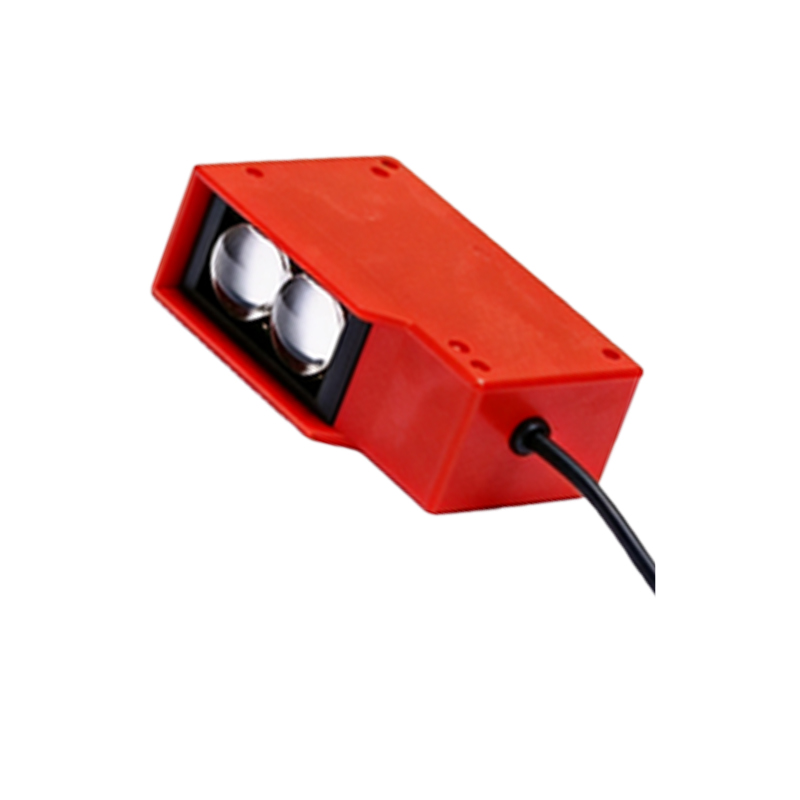
Key Advantages in Industrial Settings
The primary advantage of a 2x distance photoelectric sensor is its extended operational range. This allows for greater flexibility in machine design, enabling sensors to be mounted farther from the target area, which can be crucial in environments with space constraints or where the sensor needs protection from harsh processes. The increased stand-off distance also reduces the risk of physical damage from the target or debris. Additionally, these sensors often exhibit excellent background suppression, preventing false triggers from objects or surfaces behind the intended target. This makes them ideal for detecting objects on conveyors, ensuring reliable operation even when the background environment is variable or reflective.
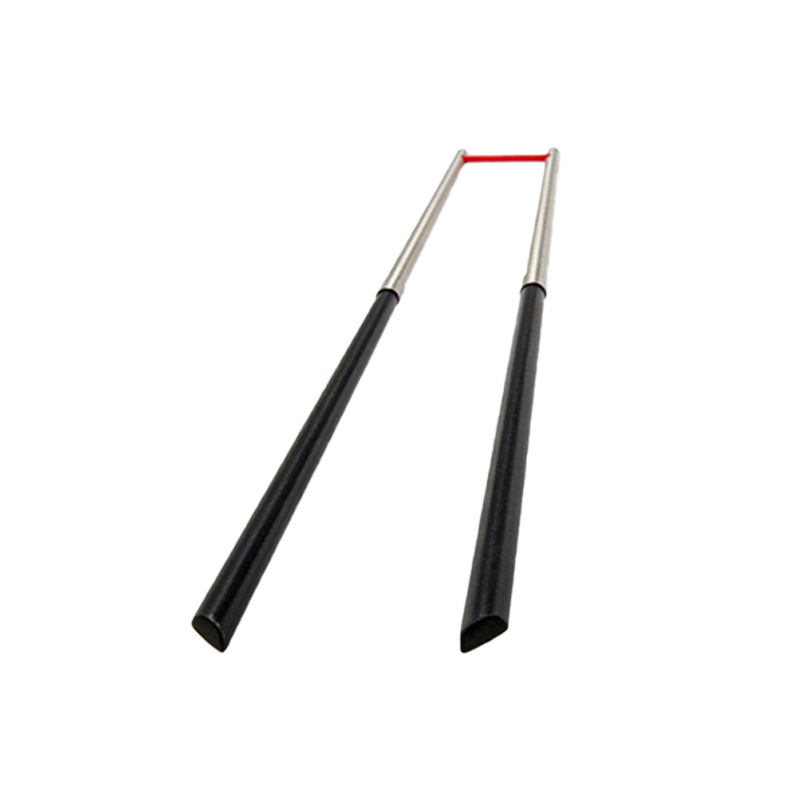
Common Applications and Use Cases
2x distance sensors find applications across numerous industries. In packaging and material handling, they are used to detect the presence of boxes, trays, or products on high-speed conveyors from a greater height, simplifying mounting structures. In the automotive industry, they can sense parts on assembly lines or verify the position of components within large assemblies. They are also valuable in warehouse automation for pallet detection and in woodworking for board counting. Their ability to ignore background surfaces makes them perfect for detecting transparent objects, like glass or plastic bottles, against complex backdrops, a task where standard diffuse sensors often fail.
Critical Selection Criteria and Considerations
Selecting the right 2x distance sensor requires careful analysis of the application parameters. First, the required sensing distance and the size, color, and surface finish of the target must be determined. A sensor's datasheet will specify its "standard sensing distance" and "2x distance" rating for a defined white test card. Real-world performance may vary with different materials. Secondly, the response time must be compatible with the application's speed. Environmental factors are paramount: resistance to dust, water (IP rating), temperature extremes, and ambient light interference must be evaluated. Finally, the output type (PNP/NPN, analog, IO-Link) and electrical connection must match the control system's requirements.
Installation and Alignment Best Practices
Proper installation is crucial for optimal performance. While the extended range offers more mounting flexibility, the sensor should be positioned so that the target passes consistently within its sensing field. Avoid mounting the sensor facing highly reflective backgrounds unless it features robust background suppression. Alignment is typically simpler than for through-beam sensors but still important. Many models feature a visible red light beam or a stable indicator LED to aid in alignment. It is good practice to test the sensor with the actual target material under normal operating conditions and fine-tune the sensing distance or sensitivity potentiometer if available, to ensure a reliable signal with an adequate safety margin.
Comparison with Other Sensor Types
It is useful to contrast 2x distance diffuse sensors with other photoelectric modes. Through-beam sensors offer the longest possible ranges but require a separate emitter and receiver, complicating installation. Retro-reflective sensors use a reflector and offer good range, but can be fooled by shiny objects that reflect light directly. Standard diffuse sensors are economical but have limited range and are susceptible to background interference. The 2x distance diffuse sensor thus occupies a strategic middle ground, offering a significant range extension and background immunity in a single, compact housing, simplifying design and maintenance while providing robust performance.
Future Trends and Technological Evolution
The evolution of 2x distance photoelectric sensors is closely tied to advancements in optoelectronics and digital communication. Future sensors will likely integrate more intelligence via IO-Link, providing detailed diagnostic data, parameter setting via software, and condition monitoring capabilities. Miniaturization will continue, packing longer ranges into smaller housings. Enhanced algorithms for background suppression and object differentiation will improve performance in challenging environments. Furthermore, the integration of multi-technology sensing (e.g., combining photoelectric and ultrasonic principles) in a single device may emerge, offering unparalleled flexibility and reliability for complex automation tasks, solidifying the role of these sensors in Industry 4.0 and smart factory applications.