Introduction to Photoelectric Sensing Technology
Photoelectric sensors are indispensable components in modern industrial automation, utilizing light beams to detect the presence, absence, or distance of objects. Their operation is based on the emission of light—typically from an LED or laser diode—and the reception of its reflection or interruption by a photodetector. These sensors are celebrated for their non-contact detection capability, high precision, long sensing ranges, and rapid response times. They excel in diverse environments, from clean rooms to harsh factory floors, performing tasks such as object counting, positioning, level detection, and quality inspection. The core technologies include through-beam, retro-reflective, diffuse reflective, and background suppression modes, each suited to specific application challenges like color detection, transparent material sensing, or operation in dusty conditions.
Key Selection Criteria for Industrial Applications
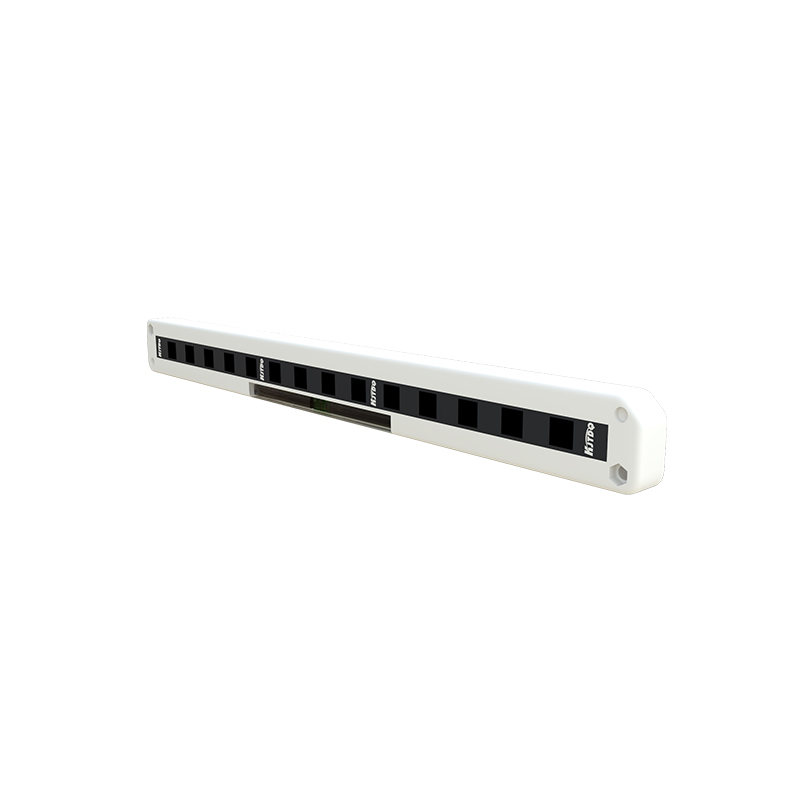
Selecting the optimal photoelectric sensor requires a meticulous evaluation of several technical and operational parameters. The sensing range is paramount; long-range models are essential for large machinery, while close-range variants offer precision in confined spaces. Environmental robustness, indicated by IP (Ingress Protection) and NEMA ratings, ensures reliability against dust, moisture, and mechanical shock. Response time must align with production line speeds to prevent bottlenecks. Output types (e.g., NPN/PNP, analog, IO-Link) dictate compatibility with PLCs and control systems. Additionally, factors like light source color (red, green, blue, infrared), housing material (metal or plastic), and specialized functions (e.g., teach-in, synchronization) critically influence performance in specific scenarios such as detecting glossy surfaces or operating in ambient light interference.
Leading Global Brands and Their Core Strengths
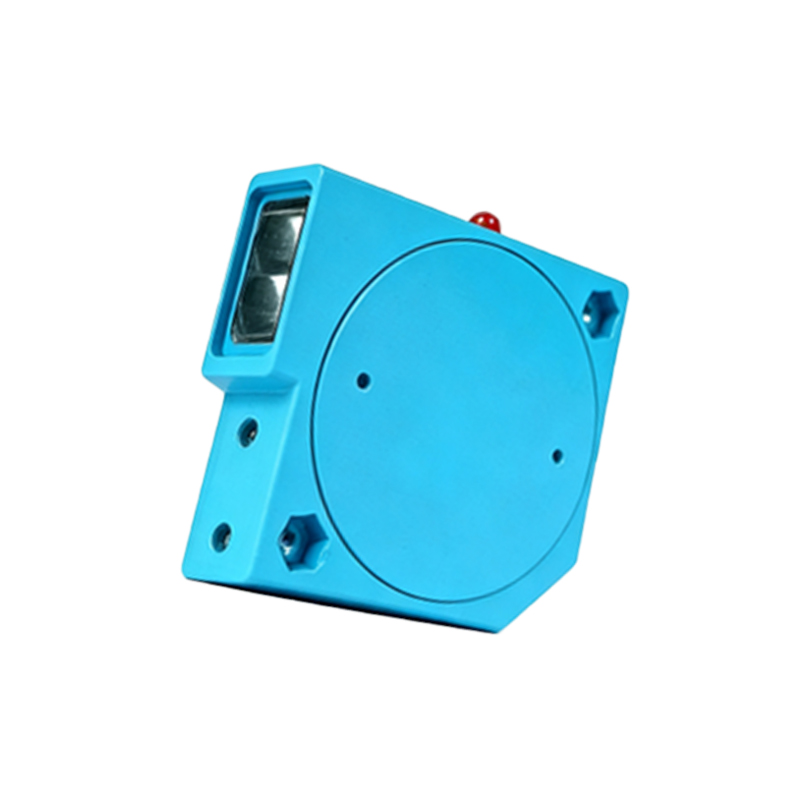
The market is dominated by several established manufacturers, each with distinct technological advantages. Sick AG (Germany) is renowned for its innovation in high-precision sensors and robust solutions for logistics and automotive sectors, featuring advanced background suppression and multi-technology devices. Omron Corporation (Japan) excels in miniaturization and reliability, offering extensive series like the E3Z and E3JM with superior noise immunity and easy installation. Keyence Corporation (Japan) leads with ultra-high-performance sensors, such as the LR-T series for long-range measurement and specialized models for transparent object detection, often integrating intuitive setup tools. Banner Engineering (USA) is favored for its rugged, application-specific designs and strong support in packaging and material handling, with popular lines like the QS18 and EZ-BEAM. Pepperl+Fuchs (Germany) provides highly durable sensors for extreme conditions, including explosive atmospheres (ATEX), and emphasizes connectivity through IO-Link and modular systems.
Specialized and Niche Market Contenders
Beyond the giants, several brands carve out niches with specialized expertise. Balluff GmbH (Germany) offers high-quality sensors with exceptional mechanical design and strong RFID integration capabilities. IFM Electronic (Germany) focuses on user-friendly, diagnostic-rich devices with robust connectivity for Industry 4.0 environments. Turck (Germany/USA) is noted for its versatile, ruggedized sensor families and efficient multiprox solutions for challenging installations. Rockwell Automation (Allen-Bradley) (USA) provides sensors deeply integrated with its control ecosystem, ensuring seamless communication in factory-wide networks. Panasonic Corporation (Japan) delivers cost-effective, reliable sensors with strong performance in consumer electronics manufacturing. Emerging brands and OEM suppliers also contribute with highly competitive, application-tailored models for budget-conscious projects without compromising core functionality.
Innovation Trends and Future Outlook
The photoelectric sensor landscape is continuously evolving, driven by the demands of smart manufacturing and Industry 4.0. A dominant trend is the integration of advanced connectivity, with IO-Link becoming a standard for bidirectional data exchange, enabling parameter setting, condition monitoring, and predictive maintenance. Sensor fusion, combining photoelectric sensing with other technologies like vision or ultrasonic, is creating more intelligent, multi-functional devices. Miniaturization persists, allowing sensors to fit into increasingly compact machinery. Furthermore, enhancements in laser technology are pushing the boundaries of precision and range, while improved algorithms are enabling better performance in detecting challenging materials and resisting environmental interference. The future points toward smarter, more connected, and application-adaptive sensing solutions that form the critical sensory layer of the digital factory.
Conclusion and Best Practices for Implementation
Choosing the right photoelectric sensor brand and model is a strategic decision impacting system reliability and efficiency. A best-practice approach begins with a thorough analysis of the application requirements: target object properties, required sensing distance, environmental conditions, and necessary output signals. Leveraging manufacturer selection guides and application engineering support is highly recommended. Always consider total cost of ownership, which includes not just the unit price but also installation time, maintenance needs, and potential downtime. For complex setups, prototyping with sample units can prevent costly errors. Ultimately, partnering with a reputable supplier known for quality, technical support, and a robust global supply chain ensures long-term operational success and adaptability to future technological upgrades.