Introduction to High Precision Proximity Sensors
In the realm of industrial automation, the demand for reliable and accurate sensing technology is paramount. High precision proximity sensors have emerged as critical components, enabling machinery to detect the presence, absence, or position of objects without physical contact. These sensors operate on various principles, including inductive, capacitive, and magnetic technologies, each suited to specific applications. Their non-contact nature ensures minimal wear and tear, leading to enhanced longevity and reduced maintenance costs for industrial systems. As factories evolve towards smarter, more interconnected environments, the role of these sensors becomes increasingly vital, forming the foundational layer of data acquisition for automated processes.
Core Technologies and Operating Principles
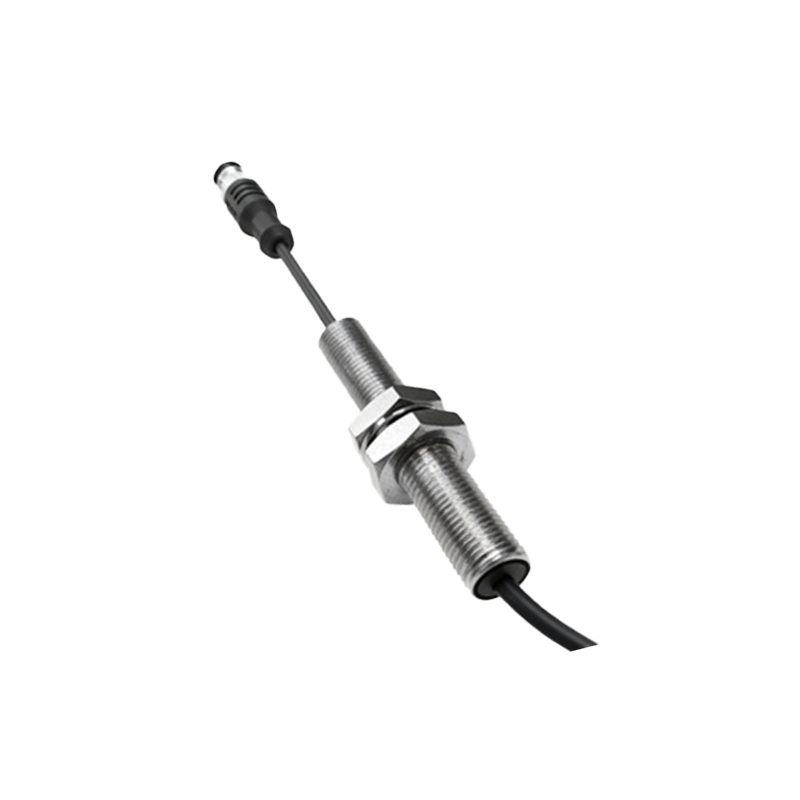
The efficacy of a high precision proximity sensor hinges on its underlying technology. Inductive sensors are predominantly used for detecting metallic objects. They generate an electromagnetic field, and when a metal target enters this field, it induces eddy currents, causing a change in oscillation amplitude that the sensor detects. Capacitive sensors, on the other hand, can detect both metallic and non-metallic materials by measuring changes in capacitance. Magnetic sensors utilize Hall effect or magnetoresistive elements to sense magnetic fields, making them ideal for position detection in harsh environments. Each technology offers distinct advantages in terms of sensing range, response time, and environmental resilience, allowing engineers to select the optimal solution for their specific operational challenges.
Applications in Modern Manufacturing
High precision proximity sensors find extensive applications across diverse industrial sectors. In automotive assembly lines, they ensure precise positioning of components for robotic welding and painting. The packaging industry relies on them for accurate product counting, fill-level detection, and label verification. Within the semiconductor and electronics manufacturing sector, these sensors facilitate the delicate handling and placement of miniature components. Furthermore, in material handling and logistics, they enable automated guided vehicles (AGVs) to navigate safely and manage inventory efficiently. The ability to function reliably in environments with dust, moisture, or extreme temperatures underscores their versatility and indispensability in contemporary manufacturing ecosystems.
Advantages Over Traditional Sensing Methods
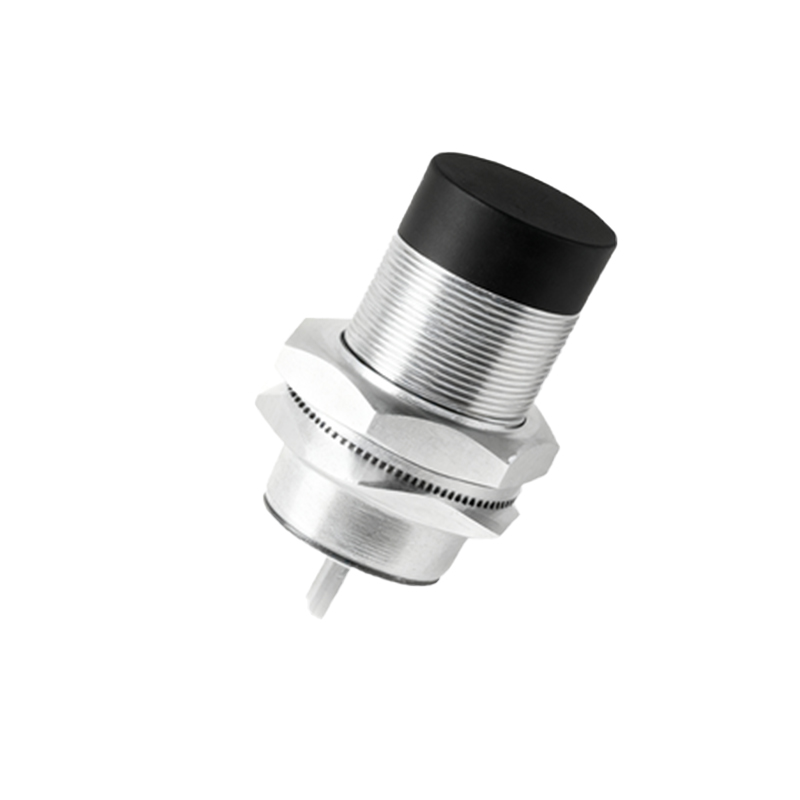
Compared to traditional mechanical limit switches or photoelectric sensors, high precision proximity sensors offer significant benefits. Their non-contact operation eliminates mechanical failure points, leading to higher reliability and a longer operational lifespan. They provide exceptionally fast response times, often in the microsecond range, which is crucial for high-speed production lines. Additionally, their design allows for compact installation in space-constrained applications. Modern sensors also feature advanced diagnostics and IO-Link communication capabilities, enabling predictive maintenance and seamless integration into Industrial Internet of Things (IIoT) frameworks. This results in improved overall equipment effectiveness (OEE) and reduced downtime.
Selection Criteria and Integration Considerations
Choosing the right high precision proximity sensor requires a careful analysis of application parameters. Key factors include the sensing distance, target material, size, and required output type (e.g., NPN, PNP, analog, or IO-Link). Environmental conditions such as temperature extremes, presence of chemicals, or potential for washdowns must also be evaluated. Electrical considerations involve the supply voltage and current consumption. Proper mounting and shielding are essential to prevent interference from adjacent metal objects or other sensors. Successful integration into a control system, typically a Programmable Logic Controller (PLC), demands attention to wiring, networking protocols, and configuration software to unlock the full potential of the sensor's capabilities.
Future Trends and Innovations
The future of high precision proximity sensing is closely tied to the advancement of Industry 4.0. Sensors are becoming increasingly intelligent, with embedded microprocessors that enable self-monitoring, condition reporting, and parameter adjustment on-the-fly. The integration of artificial intelligence for predictive analytics and anomaly detection is on the horizon. Furthermore, miniaturization continues to be a key trend, allowing sensors to be deployed in increasingly compact machinery. Enhanced connectivity through wireless protocols and higher-level fieldbus systems will further simplify installation and data exchange. As demand grows for sustainable manufacturing, sensors with lower energy consumption and longer lifecycles will become the standard, driving innovation in materials and design from leading proximity sensor companies.