What Are Photoelectric Sensor Dry Contacts?
Dry contacts, also known as volt-free contacts or isolated contacts, refer to switch outputs within photoelectric sensors that are electrically isolated from the sensor's internal power circuit. Unlike wet contacts (which share a common power source), dry contacts operate as independent switches, allowing them to interface with external control systems—such as PLCs, relays, or alarm modules—without risking electrical interference or voltage mismatch. In photoelectric sensors, these contacts typically manifest as relay or transistor outputs, enabling the sensor to signal object detection by opening or closing a separate circuit. This isolation enhances flexibility, safety, and compatibility in industrial automation setups, making dry contacts a preferred choice for diverse applications.
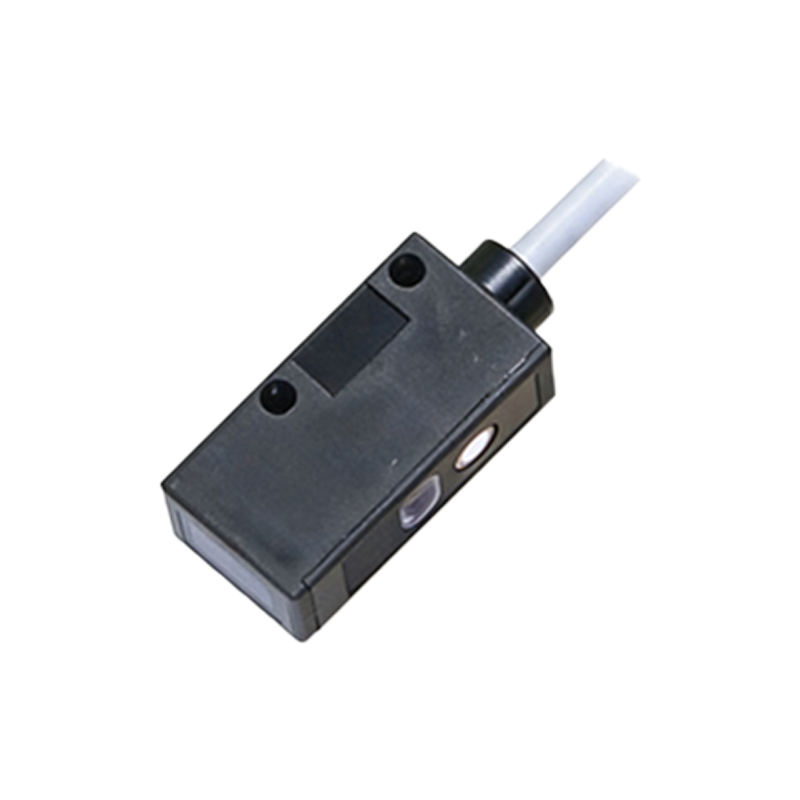
Types of Dry Contacts in Photoelectric Sensors
Photoelectric sensors commonly incorporate two primary forms of dry contacts: relay outputs and transistor outputs. Relay-based dry contacts utilize an electromechanical switch, capable of handling higher current loads (e.g., up to 5A AC/DC) and switching both AC and DC voltages. They are ideal for controlling motors, solenoids, or high-power devices directly. However, relays have mechanical moving parts, which may wear over time and limit switching speed. In contrast, transistor outputs (often NPN or PNP configurations) are solid-state switches with no moving components, offering faster response times (microseconds) and longer lifespan. Transistor dry contacts typically manage lower currents (e.g., 100mA–500mA DC) and are suited for low-power circuits, such as connecting to PLC digital inputs. Some advanced sensors also feature configurable dry contacts, allowing users to select between normally open (NO) or normally closed (NC) operation via software or dip switches.
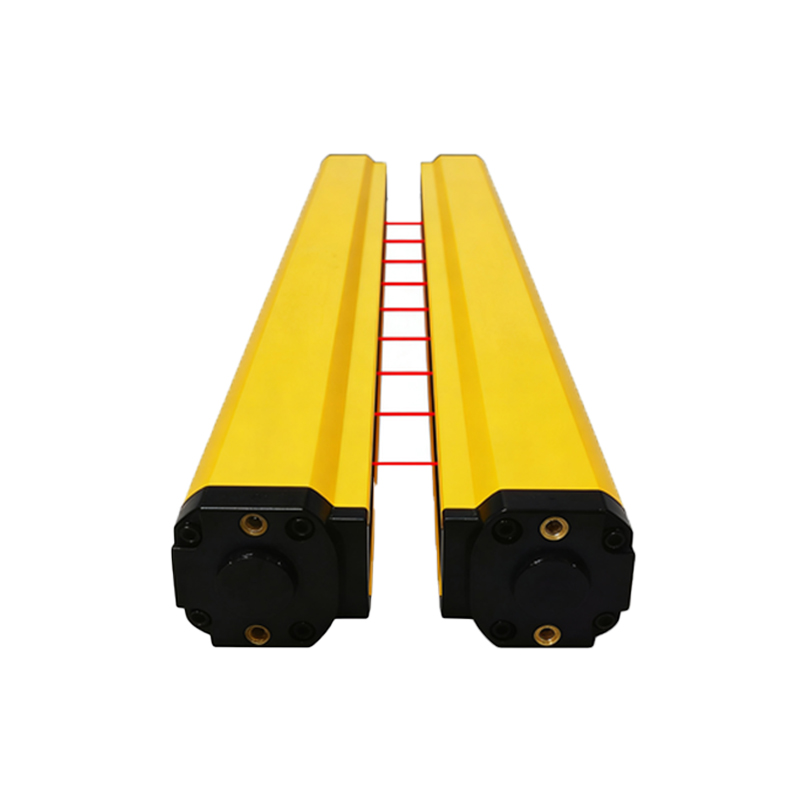
Key Advantages of Using Dry Contacts
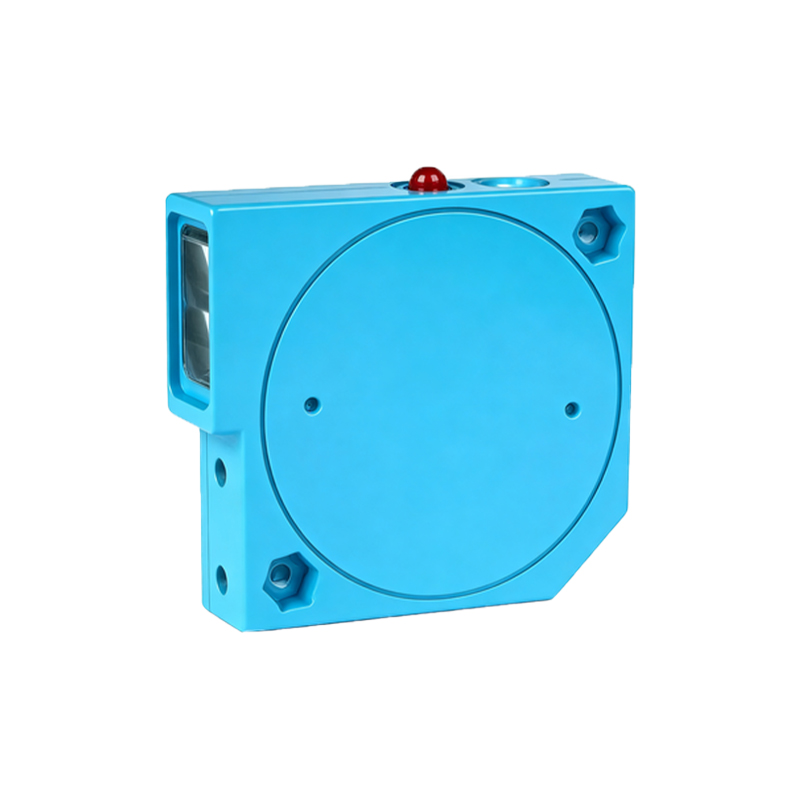
The adoption of dry contacts in photoelectric sensors brings several operational benefits. First, electrical isolation prevents ground loops, voltage spikes, and noise from affecting connected equipment, thereby improving system reliability. Second, dry contacts offer broad compatibility, as they can interface with control devices of varying voltage levels (e.g., 12V DC, 24V DC, 120V AC) without requiring additional signal conditioning. This simplifies integration in mixed-voltage environments. Third, dry contacts enhance safety by separating sensor logic from power circuits, reducing risks of short circuits or damage to sensitive electronics. Additionally, their simple on/off functionality makes troubleshooting straightforward—technicians can measure contact continuity with a multimeter to verify sensor operation. These advantages collectively contribute to reduced downtime and maintenance costs in industrial settings.
Common Applications in Industrial Automation
Photoelectric sensors with dry contacts are extensively deployed across automation sectors. In conveyor systems, they detect product presence or position, triggering dry contacts to start/stop belts or sort items via PLC commands. Packaging machinery utilizes them to count objects or verify label placement, with contacts signaling actuators to reject faulty packages. In automotive assembly lines, dry-contact sensors monitor part alignment, engaging robotic arms or clamping devices upon detection. They also serve in safety applications, such as interlocking guards on machinery; if a guard is opened, the sensor's dry contact breaks a safety circuit to halt equipment. Furthermore, building automation employs these sensors for occupancy detection, where contacts control lighting or HVAC systems. The versatility of dry contacts enables seamless integration into both simple and complex control architectures.
Selection Criteria and Installation Tips
Choosing the right dry-contact photoelectric sensor involves evaluating load requirements, environmental conditions, and system compatibility. For high-current loads (e.g., >1A), relay outputs are preferable, while transistor outputs suit fast, low-power applications. Consider the sensor's switching capacity (voltage and current ratings) to avoid contact damage from overloads. Environmental factors like dust, moisture, or vibration may dictate enclosure ratings (e.g., IP67 for washdown areas). During installation, ensure proper wiring: connect dry contacts in series with the load and power source, observing polarity for DC transistor types (NPN sinks current, PNP sources current). Use shielded cables in electrically noisy environments to prevent false triggering. Regularly test contacts for wear or carbon buildup, especially with relay outputs, and verify insulation resistance to maintain isolation integrity. Adhering to manufacturer guidelines prolongs sensor lifespan and ensures reliable performance.
Future Trends and Innovations
Advancements in photoelectric sensor technology continue to refine dry-contact functionalities. Modern sensors increasingly incorporate smart features, such as IO-Link communication, which allows dry contacts to transmit diagnostic data (e.g., contact health, switch cycles) alongside standard switching signals. This enables predictive maintenance, reducing unplanned outages. Hybrid designs are emerging, combining dry contacts with analog or serial outputs for multifunctional use. Additionally, miniaturization trends lead to compact sensors with robust dry contacts suitable for space-constrained applications. As Industry 4.0 gains traction, expect greater integration of dry-contact sensors into IoT networks, where they will serve as reliable edge devices for real-time monitoring. These innovations will further enhance the adaptability and efficiency of dry contacts in automated systems.