Understanding the Core Technology
Proximity sensor switches are indispensable components in modern industrial automation, enabling non-contact detection of objects. Their operation hinges on generating an electromagnetic field or beam. When a target enters this field, it causes a change in the sensor's oscillation or signal, triggering a solid-state output switch. This non-contact nature eliminates mechanical wear, ensures high reliability, and allows for fast response times, making them superior to traditional mechanical limit switches in countless applications. The selection process begins with a fundamental understanding of the different sensing technologies available, as each type interacts with target materials in a distinct manner.
Inductive Proximity Sensors
Inductive proximity sensors are designed exclusively for detecting metallic objects. They generate an oscillating electromagnetic field from a coil in the sensing face. When a ferrous or non-ferrous metal target enters this field, it induces eddy currents, which dampen the oscillation amplitude. The sensor's circuit detects this damping and switches the output. Key advantages include high switching frequency, robustness in harsh environments (resistant to dust, dirt, and moisture), and insensitivity to non-metallic materials. They are ideal for applications like counting metal parts, detecting piston position in cylinders, or as end-position sensors in machine tools. Their primary limitation is their inability to detect non-metallic materials.
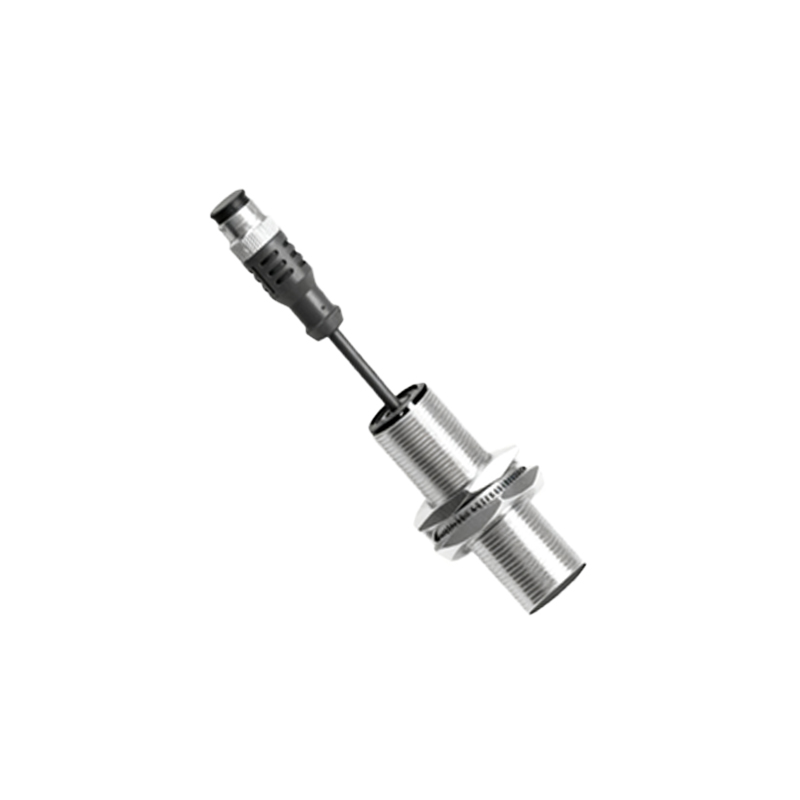
Capacitive Proximity Sensors
Capacitive sensors can detect both metallic and non-metallic materials, including liquids, powders, plastics, and wood. They function by generating an electrostatic field. Any object with a dielectric constant different from air (which is nearly all materials) entering this field changes the sensor's capacitance, triggering the output. This versatility makes them perfect for applications such as level detection of liquids or granular materials in tanks, monitoring presence of plastic or glass bottles on a conveyor, or detecting filled vs. empty packages. They can even sense through certain non-metallic container walls. However, they can be more susceptible to environmental factors like humidity and require careful adjustment of sensitivity to avoid false triggers from background objects.
Ultrasonic Proximity Sensors
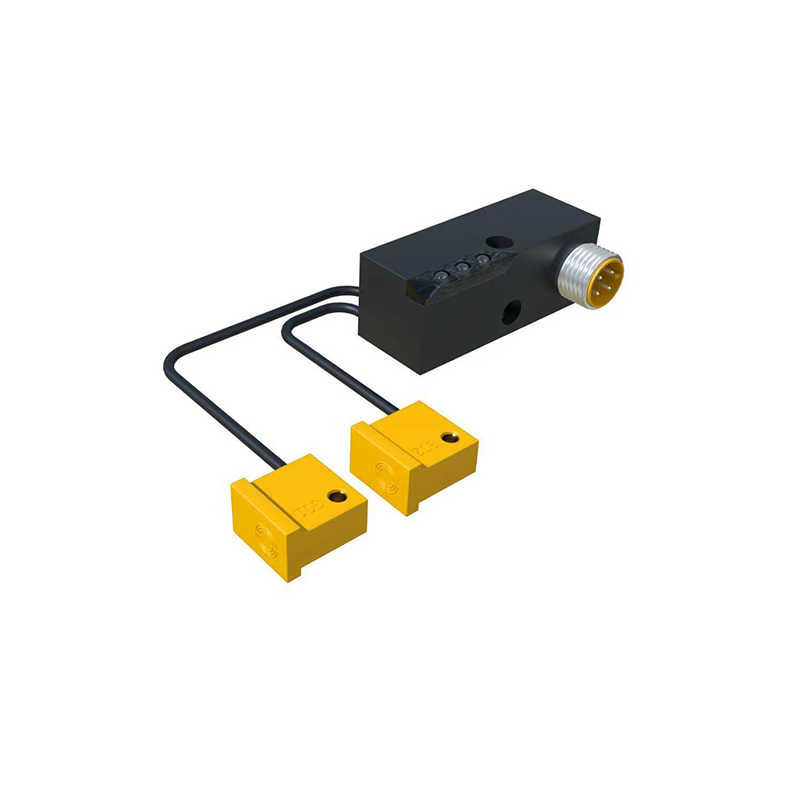
Ultrasonic sensors operate on a sonar principle, emitting high-frequency sound pulses and evaluating the reflected echo. They measure the time interval between sending the signal and receiving the echo to calculate distance. This technology excels at detecting objects of virtually any material, shape, color, or surface texture, as long as they are sound-reflective. They are superb for precise distance measurement, level sensing of bulk solids or liquids in large silos, and detecting transparent objects (like glass) that confuse optical sensors. Their performance can be affected by temperature variations, air turbulence, and highly absorbent surfaces like foam or fabric. They also typically have a longer response time than inductive or capacitive types.
Photoelectric Sensors
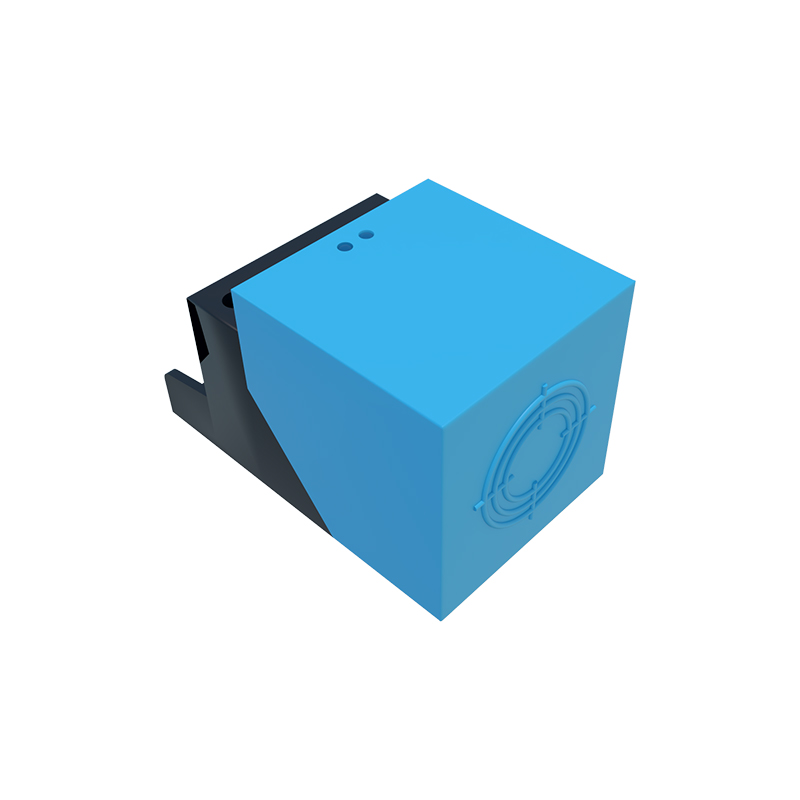
Photoelectric sensors use a beam of light, often infrared or laser, to detect the presence or absence of an object. They come in several main styles: through-beam (separate emitter and receiver), retro-reflective (single unit with a reflector), and diffuse (single unit sensing reflected light from the target). They offer very long sensing ranges, can detect tiny objects, and are excellent for clear object detection. Applications include web break detection, bottle counting on high-speed lines, and registration mark sensing. Their weakness is susceptibility to interference from ambient light, dirt or dust obscuring the lens, and challenges with highly reflective or transparent targets depending on the mode used.
Key Selection Criteria for Your Application
Choosing the correct sensor involves a systematic evaluation of several factors. First, identify the Target Material (metal, plastic, liquid, etc.), which immediately narrows the technology choice. Second, consider the Required Sensing Distance; ensure the sensor's nominal range has a safety margin. Third, assess the Environmental Conditions: temperature extremes, presence of oils/coolants, washdown requirements, and potential electrical noise. Fourth, define the Output Type needed (PNP/NPN analog, discrete, IO-Link) and electrical requirements. Finally, consider the Physical Form Factor (barrel, rectangular, ring) and mounting constraints in your machinery. A thorough analysis of these parameters ensures optimal performance, reliability, and longevity of the sensing solution.
Installation and Calibration Tips
Proper installation is critical for reliable operation. For inductive and capacitive sensors, ensure the correct mounting flush or non-flush as specified, and maintain adequate clearance from metal surroundings to prevent shielding effects. For photoelectric and ultrasonic sensors, ensure the lens or face is clean and aligned correctly. Calibration, particularly for capacitive and ultrasonic sensors, often involves