Introduction to Magnetic Sensitive Diodes
A magnetic sensitive diode (MSD) is a specialized semiconductor device whose electrical characteristics, primarily its forward voltage drop and reverse leakage current, are significantly altered by an external magnetic field. Unlike Hall effect sensors that generate a voltage, MSDs function by modulating their internal carrier transport mechanisms—specifically, the deflection of charge carriers (Lorentz force) which alters the effective path length and recombination rates within the diode's structure. This change in electrical parameters provides a sensitive, contactless method for detecting the presence, strength, and sometimes polarity of a magnetic field. Their inherent simplicity, potential for high sensitivity, and compatibility with standard semiconductor processes make them a compelling choice for integration into proximity sensing systems.
Operating Principle and Core Mechanism
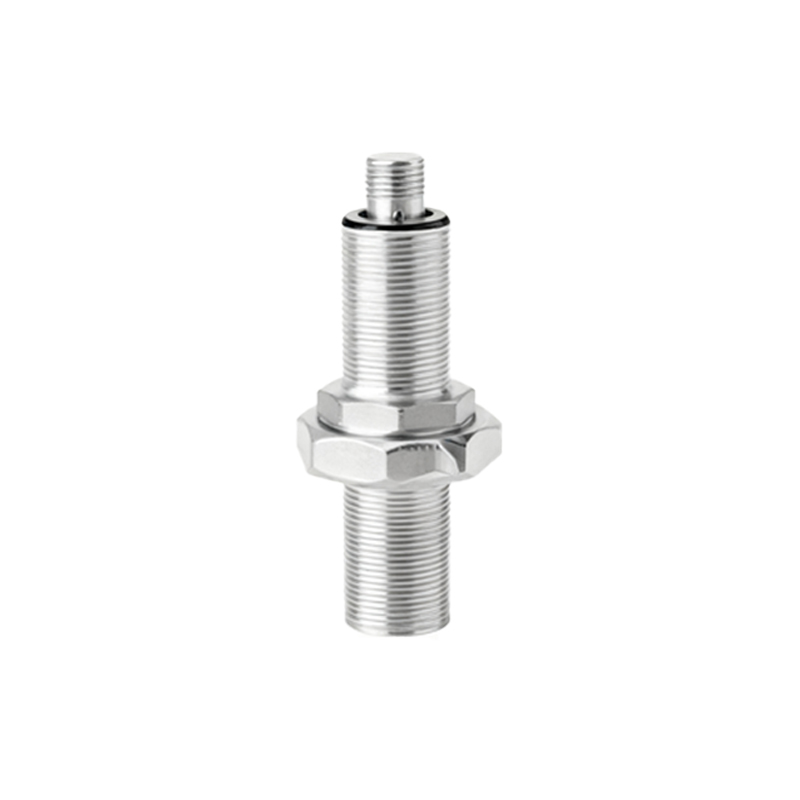
The core operation hinges on the magnetoresistance effect within the semiconductor's P-N junction. Under a zero magnetic field, charge carriers (electrons and holes) follow a relatively direct path across the depletion region. When a magnetic field (B) is applied perpendicular to the direction of current flow, the Lorentz force deflects these moving charges. This deflection increases their effective travel path, leading to enhanced scattering and recombination. Consequently, for a given forward bias current, the forward voltage (Vf) increases. Conversely, in reverse bias, the deflection can influence the generation and collection of minority carriers, affecting the reverse leakage current. This sensitive dependence of Vf or leakage on B is the fundamental detection mechanism exploited in proximity sensing.
Role in Proximity Sensor Systems
In a typical proximity sensor application, the magnetic sensitive diode is paired with a permanent magnet. The magnet is attached to the target object whose presence or position needs detection. When the target approaches, the magnetic field from the magnet impinges on the MSD. The sensor circuitry, often a simple bridge or comparator setup, monitors the diode's voltage parameter. A predefined threshold is set; when the magnetic field strength (and thus the diode's output signal) crosses this threshold, the electronic circuit triggers an output state change. This signals the presence of the object. The non-contact nature ensures long life, reliability, and the ability to detect through non-ferrous barriers.
Key Performance Parameters and Specifications
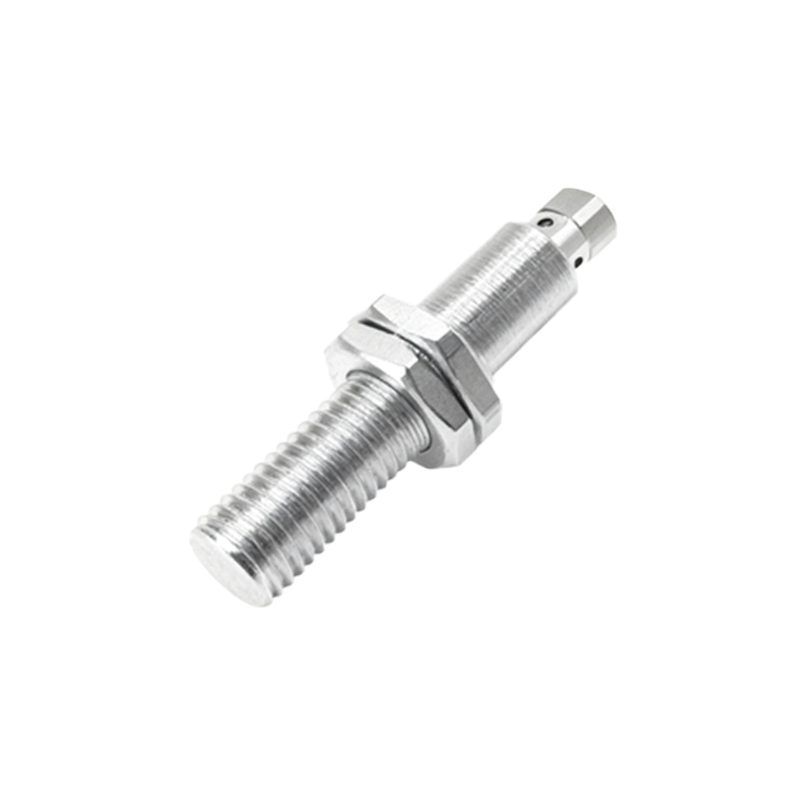
Selecting an MSD for a proximity sensor requires careful analysis of several parameters. Sensitivity is paramount, often defined as the relative change in forward voltage per unit magnetic field (ΔVf/Vf / B). A higher sensitivity allows for greater detection distances or the use of weaker magnets. The operating point, defined by the quiescent forward current (If), must be chosen to optimize sensitivity and linearity. The magnetic field range specifies the minimum and maximum B the diode can measure effectively. Other critical specs include response time (typically very fast, in microseconds), operating temperature range, and package size. The diode's inherent temperature coefficient of Vf must also be compensated for in precision applications.
Advantages Over Alternative Technologies
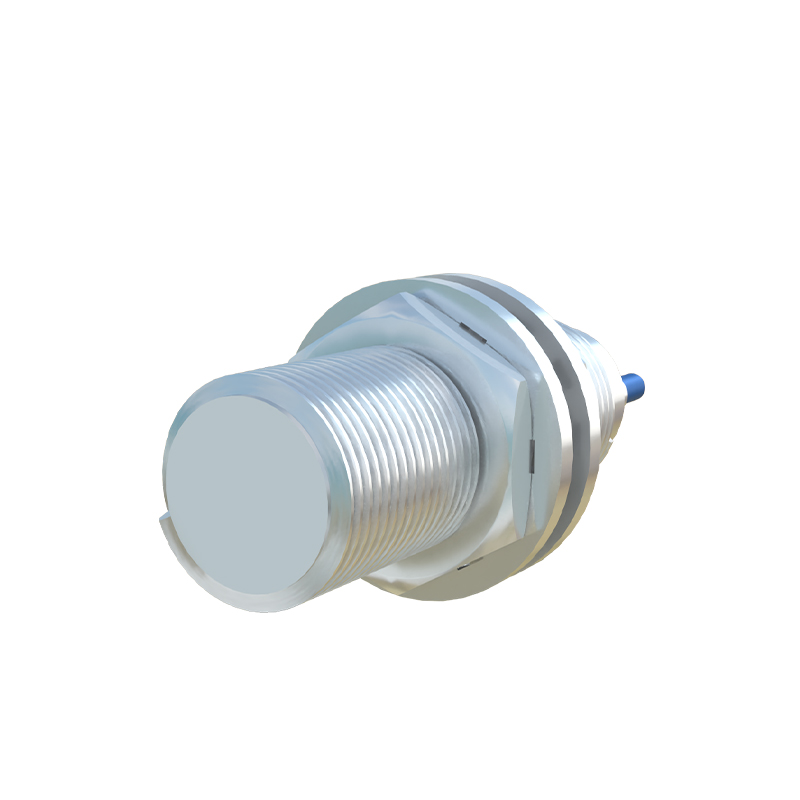
Magnetic sensitive diodes offer distinct benefits in specific proximity sensing scenarios. Compared to inductive sensors, they can detect static magnetic fields, allowing for zero-speed operation and position detection of stationary objects. Versus reed switches, they are solid-state, offering vastly superior cycle life, faster response, and no contact bounce. Compared to Hall effect ICs, basic MSD circuits can be simpler and potentially lower cost for analog threshold detection, though Hall chips often integrate more signal conditioning. MSDs can also exhibit very high sensitivity in a small form factor, which is advantageous in space-constrained designs where detection range is critical.
Common Industrial and Commercial Applications
The application spectrum for MSD-based proximity sensors is broad. In industrial automation, they are used for end-of-travel detection on pneumatic cylinders (with embedded ring magnets), conveyor belt object counting, and rotary encoder sensing. In consumer electronics, they find use in laptop lid-open/close detection (using a magnet in the lid and an MSD in the base) and in smart home devices for door/window contact sensing. Automotive applications include gear position sensing, seat belt buckle detection, and non-contact switch panels. Their robustness against dust, oil, and moisture (when properly packaged) makes them suitable for harsh environments.
Circuit Design Considerations and Integration
Effective implementation requires thoughtful circuit design. A constant current source is preferred to bias the MSD, as sensitivity is defined at a specific If. The output signal (ΔVf) is usually small (millivolt range), necessitating amplification via an operational amplifier. Temperature compensation is crucial; this can be achieved by using a matched pair of MSDs in a differential configuration or by incorporating a temperature sensor in the feedback loop. For digital