The Silent Guardians of the Production Line
In the heart of a bustling automotive assembly plant, a symphony of mechanical arms and conveyor belts operates with relentless precision. Amidst this orchestrated chaos, a small, unassuming device—a cylindrical inductive proximity sensor—quietly performs its duty. Mounted near a robotic welder, it detects the presence of each car chassis without physical contact. Its metallic sensing face emits an electromagnetic field, waiting. When the chassis enters its range, eddy currents dampen the oscillation, triggering a swift signal to the controller: "Proceed." No sparks, no delays. This is the domain of proximity sensors, the silent guardians ensuring that every component is in its rightful place before a critical process begins. Their work is invisible, yet a single failure could cascade into hours of costly downtime. From detecting metallic objects in harsh environments to counting bottles on high-speed filling lines, these sensors form the foundational layer of perception for industrial automation.
From Humble Beginnings to Technological Marvels
The journey of proximity sensing technology is a tale of relentless innovation. Early iterations were bulky, limited in range, and susceptible to environmental interference. The core principle, however, remained elegant: detecting an object's presence without touch. The advent of solid-state electronics in the mid-20th century was a watershed moment. Engineers developed the first practical inductive sensors capable of reliably sensing ferrous metals. This was soon followed by capacitive variants that could detect non-metallic materials like wood, plastic, or liquids by measuring changes in capacitance. The late 20th century introduced ultrasonic and photoelectric sensors, vastly expanding the application horizon. Today, modern proximity sensors are marvels of miniaturization and intelligence. They incorporate advanced ASICs (Application-Specific Integrated Circuits), boast immunity to voltage spikes and electromagnetic noise, and offer programmable parameters like switching hysteresis and output delay. Some even feature IO-Link communication, providing diagnostic data and enabling predictive maintenance.
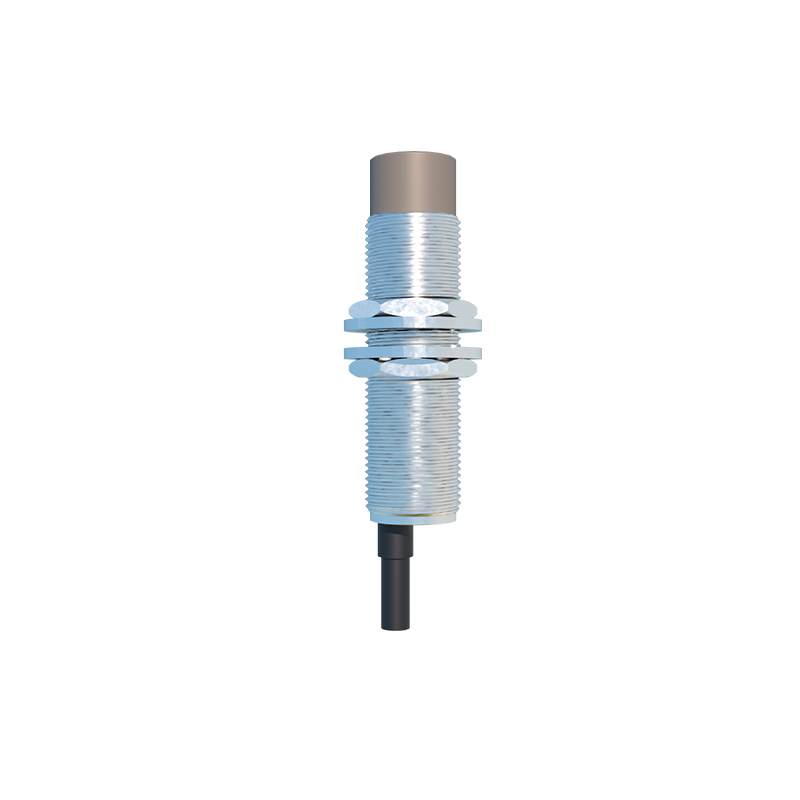
A Diverse Family for Every Challenge
Selecting the right proximity sensor is an engineering decision paramount to system reliability. The inductive sensor, the most common industrial workhorse, is ideal for detecting metals. Its robust, weld-field immune housing makes it perfect for machine tools and robotic cells. The capacitive sensor, with its ability to sense almost any material, finds its niche in level detection for silos or controlling plastic film thickness. For longer ranges and precise distance measurement, ultrasonic sensors excel, often used in parking assistance systems or palletizing robots. Photoelectric sensors, using modulated infrared light, offer the longest sensing distances and are indispensable in packaging machinery for detecting transparent films or colored labels. Each type has its own "personality"—specific sensing ranges, response times, and environmental tolerances. An engineer must consider factors like target material, required sensing distance, ambient temperature, and potential contaminants like oil or coolant to make the optimal choice.
Real-World Tales from the Factory Floor
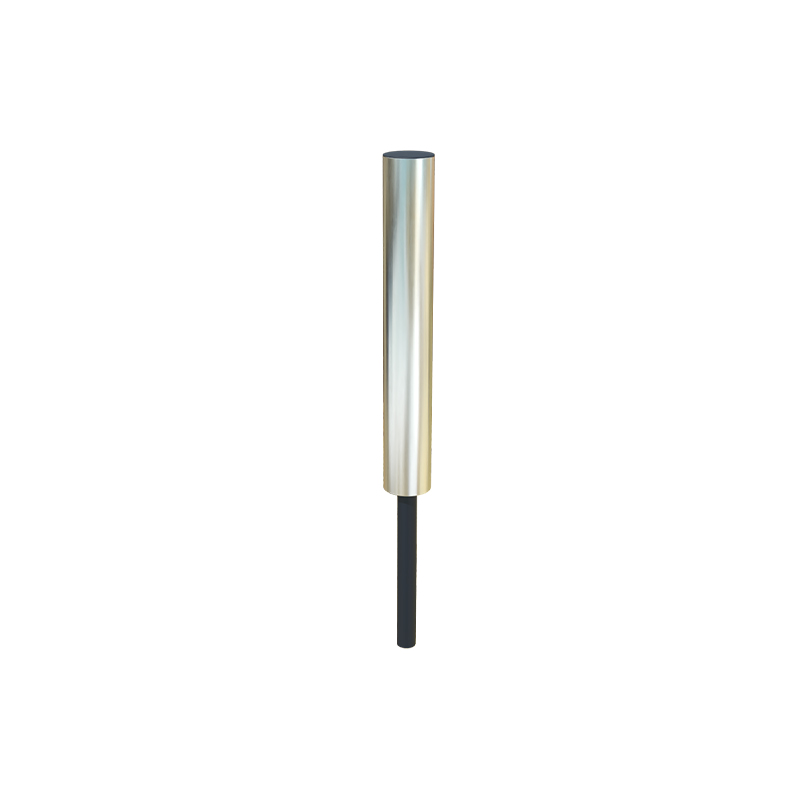
The true value of these devices is etched in countless applications. In a pharmaceutical cleanroom, a miniature capacitive sensor verifies the presence of a rubber stopper inside a vial before filling, ensuring no empty vials proceed. On a lumber mill's sorting line, a ruggedized inductive sensor distinguishes between metal nails embedded in reclaimed wood, triggering a reject arm to protect downstream saw blades. In an automated warehouse, a network of ultrasonic sensors on an autonomous guided vehicle (AGV) maps its surroundings, navigating narrow aisles with centimeter precision while avoiding collisions. Perhaps one of the most critical roles is in safety. Safety-rated magnetic proximity sensors, often called safety door switches, are integral to machine guarding systems. They confirm a protective door is securely closed before dangerous machinery can activate, directly protecting human workers. These are not mere components; they are critical decision points embedded within the machine's logic.
The Future: Smarter, Connected, and More Integrated
The evolution of proximity sensors is inextricably linked to the rise of Industry 4.0 and the Industrial Internet of Things (IIoT). The next generation of sensors is becoming smarter and more communicative. Sensors with embedded intelligence can now self-monitor for factors like temperature drift or lens contamination, sending alerts before a failure occurs. The integration of IO-Link allows for remote parameterization and the extraction of valuable process data, turning a simple switch into a source of insights. Furthermore, sensor fusion—combining proximity sensing with other technologies like vision or inertial measurement—is creating more perceptive and adaptive robotic systems. Researchers are also pushing the boundaries with new materials and principles, such as sensors based on magneto-inductive effects for extreme precision. As machines grow more collaborative and factories more flexible, the humble proximity sensor will continue to be the essential, ever-evolving "sense of