Introduction to Certificates of Conformity
A Certificate of Conformity (CoC) is a critical document that serves as a formal declaration from a manufacturer, affirming that a product meets specified regulatory standards and technical requirements. In the industrial automation sector, particularly for components like photoelectric sensors, this document is not merely a piece of paper but a testament to product reliability, safety, and performance. For engineers, system integrators, and procurement specialists, the CoC is a fundamental element in the validation and qualification process of components used in sensitive or critical applications. It provides documented assurance that the sensor has undergone rigorous testing and complies with international norms, which is essential for maintaining system integrity and ensuring operational safety.
Significance for Omron Photoelectric Sensors
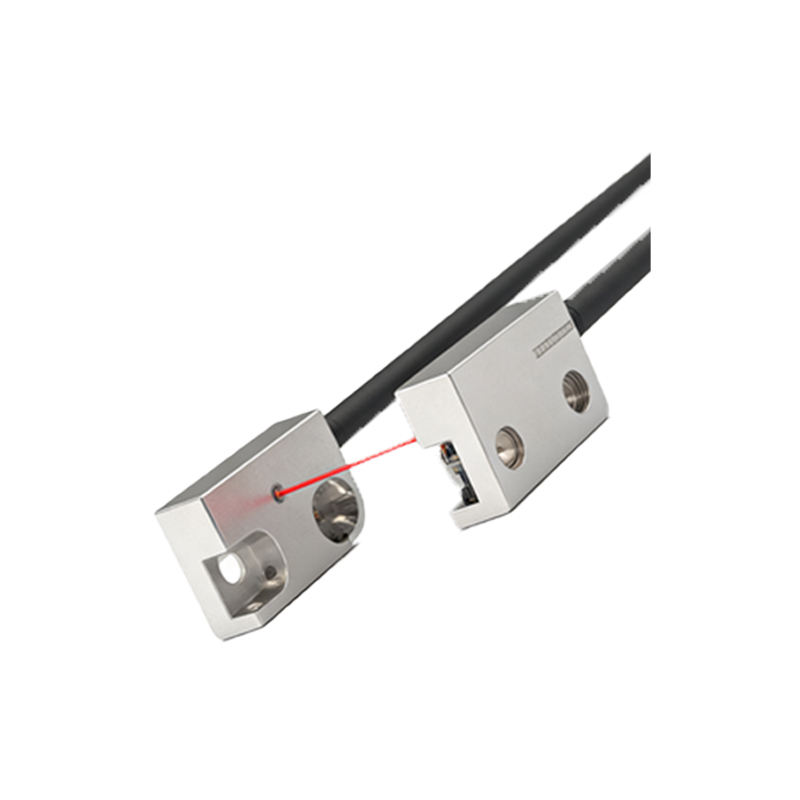
Omron, as a global leader in industrial automation, subjects its extensive range of photoelectric sensors to stringent quality control and compliance procedures. The Certificate of Conformity for an Omron photoelectric sensor specifically verifies adherence to key standards relevant to electrical safety, electromagnetic compatibility (EMC), and environmental durability. These sensors, used for detection, positioning, and inspection across manufacturing lines, must perform consistently under varying conditions of dust, moisture, and electrical noise. The CoC confirms that models, such as the E3Z or E3S-C series, satisfy standards like IEC (International Electrotechnical Commission) guidelines, CE marking directives for the European market, and often UL (Underwriters Laboratories) recognition for North America. This certification mitigates risk for end-users by ensuring the sensor will not cause interference or fail in a manner that could disrupt production or pose a hazard.
Key Elements Contained in the Document
A typical Omron photoelectric sensor Certificate of Conformity contains several vital pieces of information. Firstly, it clearly identifies the product, including the exact model number, batch or serial number, and manufacturing date. This traceability is crucial for quality audits and any potential recalls. Secondly, it lists the specific standards and directives to which the product conforms, such as the EMC Directive 2014/30/EU or the Low Voltage Directive 2014/35/EU. Thirdly, the document includes the name and address of the manufacturer (Omron Corporation or its certified manufacturing facility) and may feature the signature of an authorized representative. Finally, it often references the technical file or test report number, providing a link to more detailed compliance data available upon request for regulatory inspections.
Role in System Integration and Compliance
For system integrators designing automated machinery or production cells, incorporating certified components is a non-negotiable aspect of the overall machine compliance. Machinery intended for the global market must often meet overarching standards like ISO 12100 for safety or the Machinery Directive 2006/42/EC in Europe. Using Omron photoelectric sensors with a valid CoC simplifies the integrator's documentation process, as it provides pre-verified proof of component-level compliance. This is especially important during customer audits or when applying for the final machine's CE mark. The CoC acts as a foundational piece of evidence in the technical construction file, demonstrating due diligence in selecting safe and reliable components, thereby reducing liability and facilitating faster market approval.
Verifying Authenticity and Best Practices
It is imperative for purchasers and engineers to verify the authenticity of a Certificate of Conformity. Genuine Omron CoCs are typically issued directly by Omron or its authorized distributors and should correspond precisely with the purchased sensor's model and batch details. They can often be validated through Omron's official website or by contacting regional Omron support. Best practices include retaining the CoC as part of the project's permanent quality documentation, ensuring it is readily available for the lifespan of the equipment. When sourcing sensors, especially through secondary channels, confirming the existence and validity of the CoC is a critical step to avoid counterfeit products that may carry significant performance and safety risks. Ultimately, the CoC is not just a compliance document but a key indicator of product quality and manufacturer accountability.