Understanding Proximity Sensor Types
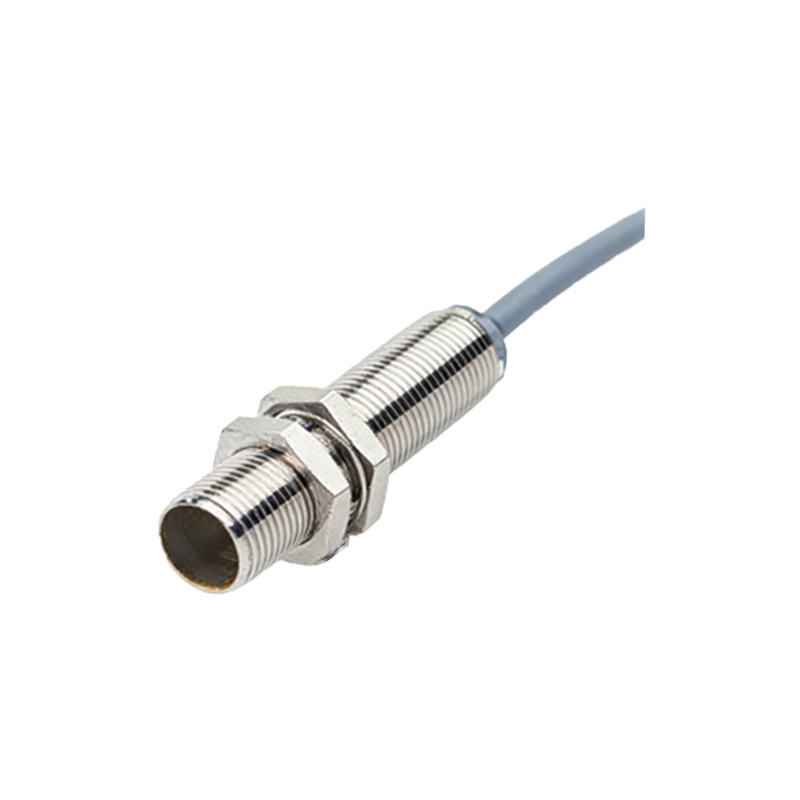
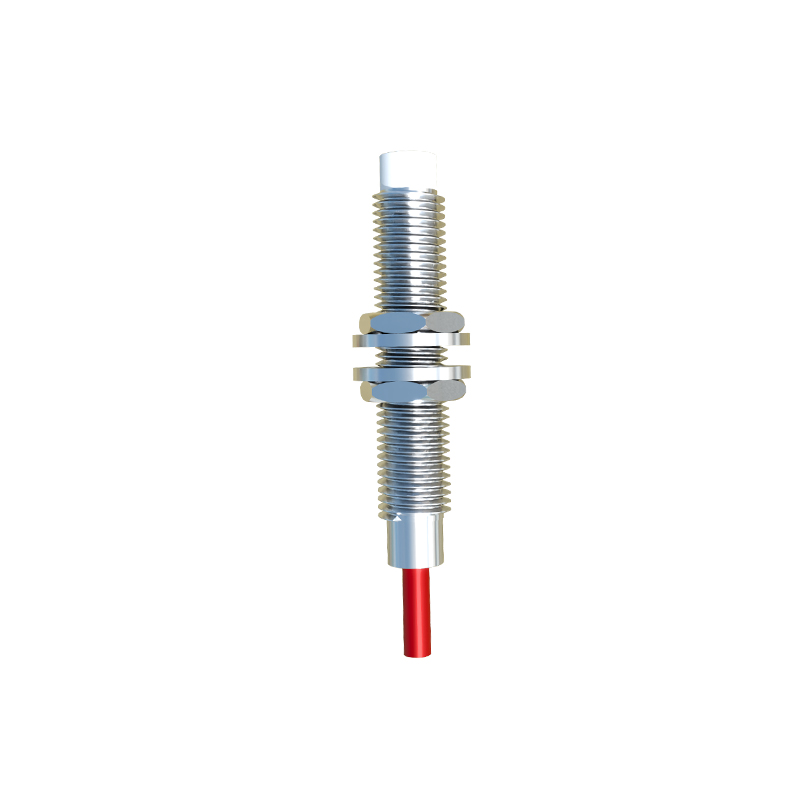
Before embarking on a purchasing journey, it is crucial to understand the primary types of proximity sensors available. Inductive sensors are the workhorses for detecting metallic objects, offering high reliability in industrial environments. Capacitive sensors can detect both metallic and non-metallic materials, such as plastics, wood, or liquids, making them versatile for various applications. Ultrasonic sensors use sound waves to detect objects and measure distance, excelling in harsh conditions where other sensors might fail. Finally, photoelectric sensors utilize light beams and are excellent for long-range detection. Selecting the correct type is the foundational step to ensuring you buy a sensor that is genuinely useful for your specific application, whether it's object counting, position verification, or level detection.
Key Specifications to Evaluate
Once the sensor type is determined, a deep dive into specifications is non-negotiable for a successful purchase. The sensing range, or the maximum distance at which the sensor can reliably detect a standard target, is paramount. Consider the operating voltage and output type (e.g., NPN, PNP, NO, NC) to ensure compatibility with your control system, such as a PLC. Environmental factors like IP (Ingress Protection) rating are critical for durability; a high IP rating (like IP67) indicates resistance to dust and temporary immersion, essential for washdown areas. Additionally, evaluate response time, repeat accuracy, and housing material. Overlooking these specs can lead to premature failure or system malfunctions, rendering even a well-known brand's sensor ineffective.
Recommended Purchasing Channels
For electrical engineers and procurement specialists, several reliable channels exist. Authorized distributors of major brands like Siemens, Omron, Schneider Electric, and Pepperl+Fuchs are the top tier. They provide genuine products, full technical support, datasheets, and often, application engineering assistance. Large industrial suppliers, such as Allied Electronics, Digi-Key, and RS Components, offer vast inventories from multiple manufacturers, convenient online platforms, and fast shipping. For specialized or hard-to-find sensors, dealing directly with the manufacturer's sales division can be advantageous, especially for large-volume projects requiring customization. While online marketplaces exist, caution is advised to avoid counterfeit components that fail to meet stated specifications.
Balancing Cost and Quality
The adage "you get what you pay for" often holds true in industrial sensing. While initial cost is a factor, Total Cost of Ownership (TCO) is a more accurate metric. A higher-quality sensor from a reputable supplier may have a higher upfront cost but typically offers longer service life, greater reliability, and minimal downtime. Consider the cost of a production line stoppage due to sensor failure versus the price difference between a budget and a premium unit. Evaluate warranty terms and the supplier's reputation for after-sales support. Investing in quality from a trusted source almost always proves more economical and "better" in the long run for critical industrial applications.
Utilizing Supplier Resources
A useful purchase is supported by comprehensive resources. Before buying, leverage the technical documentation available on supplier websites: detailed datasheets, 2D/3D CAD models, and installation manuals are invaluable. Many distributors offer online selection tools or configurators to help narrow down choices based on your parameters. Do not hesitate to contact their technical sales team with specific application questions; a competent supplier will provide expert guidance. Furthermore, checking for available samples or evaluation units can be a prudent step to test sensor performance in your actual environment before committing to a bulk order, ensuring the chosen model performs as needed.
Verifying Compatibility and Support
The final step to ensuring you buy a good, usable sensor is verification. Confirm mechanical compatibility—will it fit in the allocated space with the required mounting? Verify electrical compatibility with your system's voltage and input cards. Assess the long-term availability of the model to avoid future obsolescence issues in your machinery. Finally, investigate the local support network. Does the supplier or manufacturer offer readily available spare parts, repair services, or local field engineers? A sensor is only as good as the ecosystem supporting it. Choosing a supplier with strong local logistics and technical support ensures you can maintain and troubleshoot your systems efficiently, maximizing uptime and productivity.