Understanding the Core Parameters of Photoelectric Sensors
Photoelectric sensors are indispensable components in modern industrial automation, converting light signals into electrical outputs to detect the presence, absence, or distance of objects. The effective performance of these sensors hinges on the precise configuration of several key parameters. The primary parameters include sensing range, response time, light source type (typically infrared, visible red, or laser), output type (e.g., NPN/PNP, analog, or digital), and environmental ratings such as IP protection class and temperature tolerance. Misconfiguration can lead to false triggers, missed detections, or reduced sensor lifespan. Therefore, a foundational understanding of each parameter's function and its interaction with the application environment is the first critical step for any engineer. For instance, the sensing range must account not only for the nominal distance but also for target object properties like color, reflectivity, and surface texture, which can significantly alter the effective operational distance.
Principles for Optimizing Sensing Range and Beam Alignment
The sensing range is arguably the most critical parameter to set correctly. It defines the maximum distance at which the sensor can reliably detect a target. The principle here is to select a sensor with a rated range 20-30% greater than the actual required working distance to compensate for environmental factors like dust accumulation, lens contamination, or target variability. For diffuse reflection sensors, the color and reflectivity of the target are paramount; a dark, matte surface requires a much shorter set range compared to a bright, glossy one. Retro-reflective and through-beam sensors are less susceptible to target color but require precise alignment. The alignment principle emphasizes stability: use mounting brackets to secure the sensor and receiver, and employ alignment tools or visible light beams (if available) for initial setup. Fine-tuning should be done with the actual target object in place under normal operating conditions to ensure a stable signal margin.
Configuring Response Time and Output Characteristics
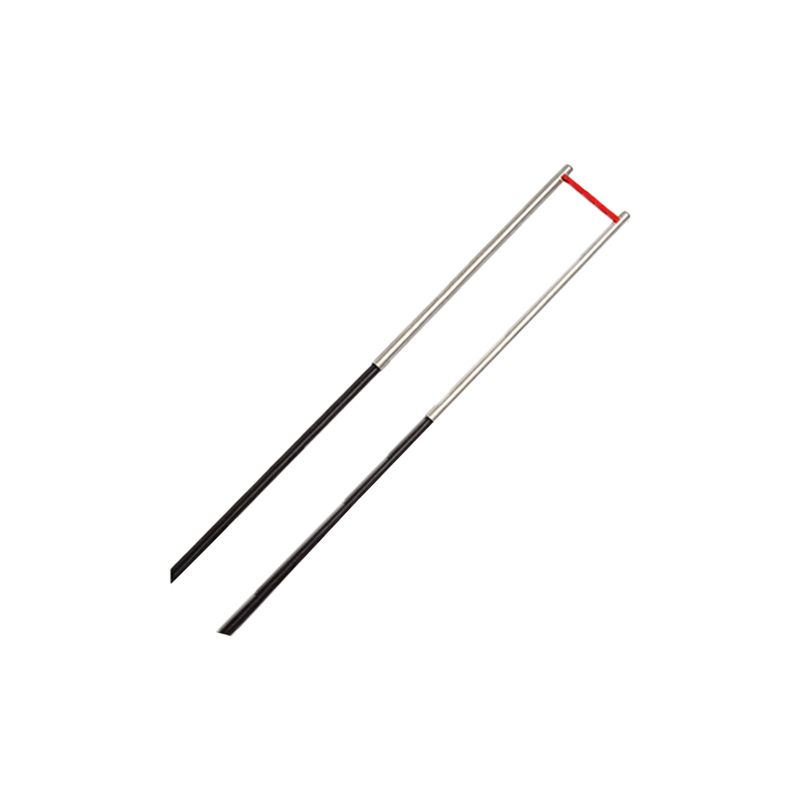
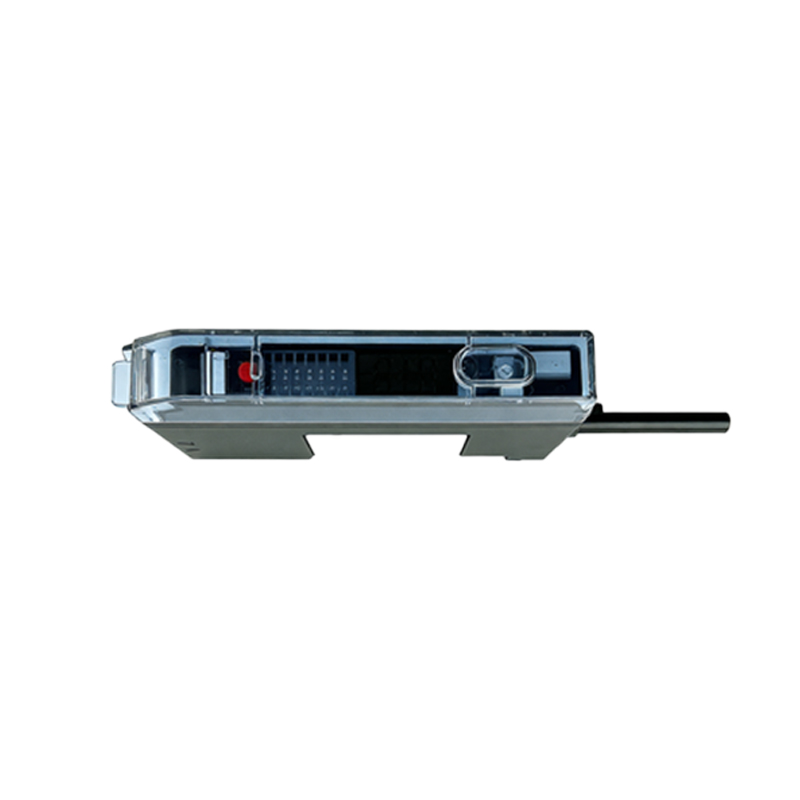
Response time, the delay between the sensing event and the output signal change, must be matched to the application speed. In high-speed packaging or sorting lines, a response time in the millisecond or even microsecond range may be necessary. The setting principle is to configure the sensor's response time to be at least twice as fast as the fastest process cycle to avoid missing objects. However, an excessively fast response time can make the sensor vulnerable to electrical noise or brief environmental interference. Many sensors feature a programmable response delay or on/off delay function. This should be used to "debounce" the signal, ensuring only valid, sustained detections trigger an output. Concurrently, the output type must be correctly matched to the control system's input card (sinking/NPN vs. sourcing/PNP), and the load current must not exceed the sensor's maximum switching capacity.
Environmental Compensation and Robustness Settings
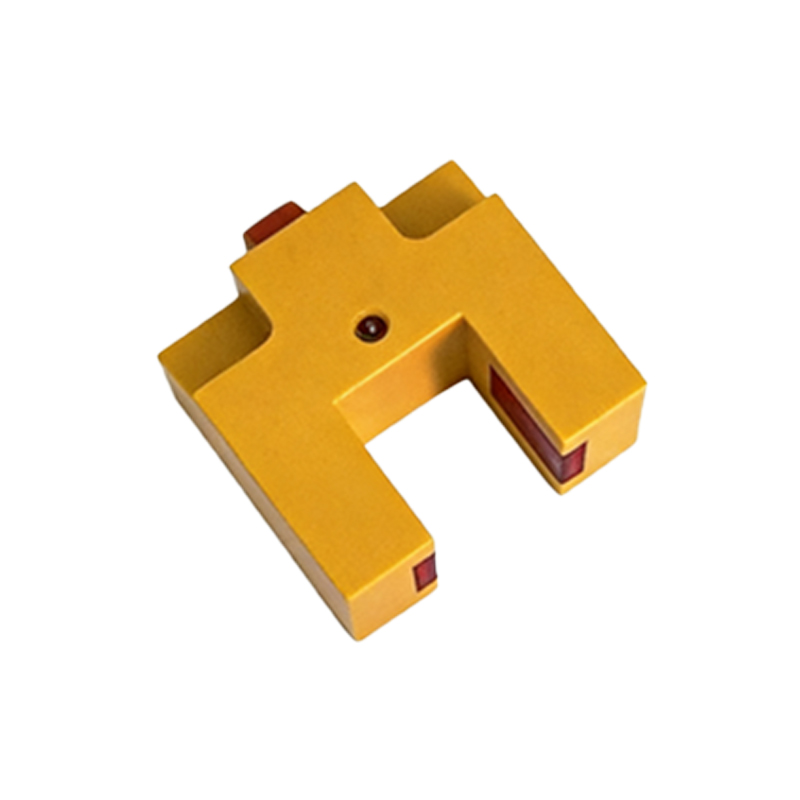
Industrial environments present challenges like ambient light, temperature swings, vibration, and contaminants. The principle for environmental parameter setting is proactive compensation. For ambient light interference, select sensors with modulated LED light sources (often pulsed infrared) and set the receiver to only recognize this specific modulation frequency, effectively ignoring constant ambient light. Many sensors offer a "teach" or "set" function for background suppression. This function should be used after installing the sensor in its final position, first "teaching" the background surface (e.g., the conveyor belt) as the reference, then "teaching" the target object. This automatically sets the switching threshold for optimal discrimination. For harsh environments, ensure the IP rating (e.g., IP67 for dust and temporary immersion) and operating temperature range are configured correctly in the selection phase, as these are fixed hardware capabilities, not adjustable parameters.
Advanced Features: Sensitivity Adjustment and Diagnostics
Most modern photoelectric sensors come with a sensitivity potentiometer or digital interface for adjustment. The principle for sensitivity setting is to use the minimum sensitivity required for reliable detection. Start with the sensitivity at maximum, introduce the target object, and then slowly decrease the sensitivity until the detection signal becomes unstable. Then, increase the sensitivity slightly to establish a safe margin (typically 20-30%). This approach maximizes immunity to dirt buildup on the lens over time. Furthermore, utilize built-in diagnostic features like signal strength indicators (LED bargraphs or IO-Link data). Monitoring the received light intensity provides predictive maintenance data. A gradually declining signal indicates it is time to clean the lens or realign the sensor, preventing unplanned downtime. For networked systems, parameters like hysteresis, switching frequency, and timers can be set via software, allowing for remote optimization and condition monitoring.
System Integration and Validation Testing
The final principle involves system-level validation. After individual parameter setting, the sensor must be tested within the complete control system loop. This includes verifying the electrical connection under load, checking for electromagnetic interference from nearby motors or variable frequency drives, and ensuring the PLC or controller correctly interprets the sensor's signal. Conduct long-duration run tests with the actual production material to validate reliability under all expected conditions, including startup, shutdown, and product changeovers. Document all parameter settings, including sensitivity level, response time, and any delay settings, as a reference for future maintenance or replication. Remember, the goal of parameter setting is not just initial functionality but sustained, reliable operation over the sensor's entire service life in a dynamic industrial setting.