Understanding Proximity Sensors and Their Industrial Applications
Proximity sensors are critical components in modern automation and control systems, designed to detect the presence or absence of objects without physical contact. These sensors operate based on various principles, including inductive, capacitive, ultrasonic, and photoelectric technologies. Inductive sensors are ideal for detecting metallic objects, while capacitive sensors can handle non-metallic materials such as plastics, liquids, or granular substances. Ultrasonic sensors use sound waves for distance measurement, and photoelectric sensors rely on light beams. In industrial settings, proximity sensors are widely used for position detection, object counting, level monitoring, and safety applications. Their ability to function in harsh environments—resisting dust, moisture, and temperature extremes—makes them indispensable in manufacturing, automotive, packaging, and material handling industries.
Key Factors to Consider When Procuring Proximity Sensors
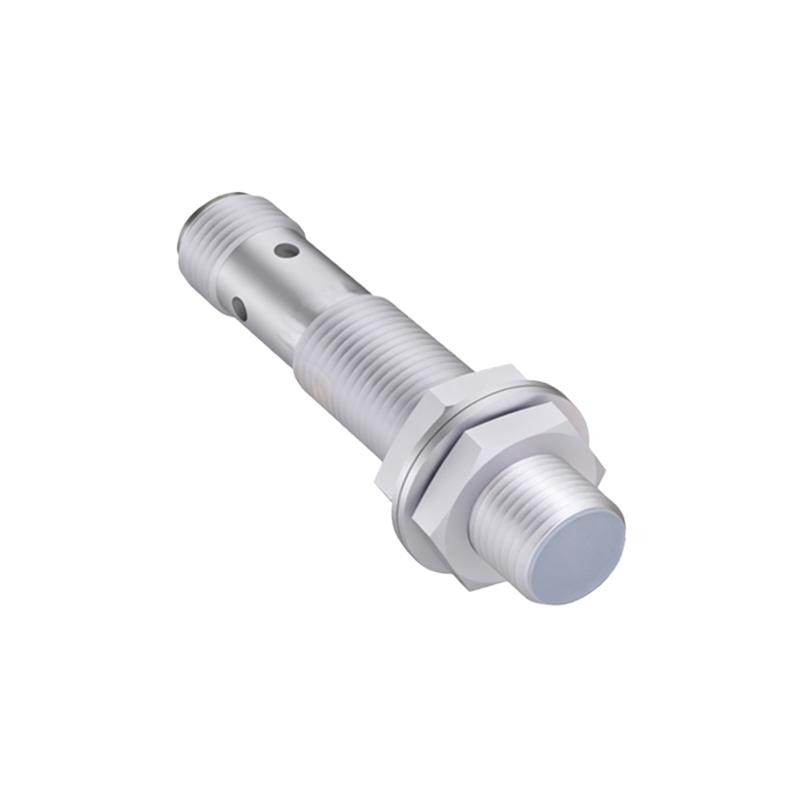
Selecting the right proximity sensor requires a thorough evaluation of technical specifications and application needs. First, determine the sensing range, which defines the maximum distance at which the sensor can reliably detect an object. Consider the target material, as inductive sensors only work with metals, whereas capacitive sensors offer broader compatibility. Environmental conditions, such as exposure to chemicals, high temperatures, or vibrations, dictate the required housing material and protection rating (e.g., IP67 for dust and water resistance). Output type is another crucial factor: NPN or PNP transistor outputs are common for DC sensors, while relay outputs suit AC applications. Additionally, assess response time for high-speed processes and mounting options (threaded barrel, rectangular, or flush-mounted) to ensure easy integration. Always verify electrical specifications, including voltage supply and current consumption, to match your control system.
Top Online Platforms for Proximity Sensor Procurement
Numerous online platforms streamline the procurement of proximity sensors, offering extensive catalogs, technical support, and competitive pricing. Industry leaders like Digi-Key Electronics and Mouser Electronics provide vast selections from global manufacturers, including Omron, Schneider Electric, and Siemens. These sites feature detailed datasheets, CAD models, and filtering tools to narrow choices based on parameters. For specialized industrial components, platforms such as AutomationDirect and RS Components focus on automation products, with user-friendly search functions and application guides. Amazon Business and eBay are alternatives for generic or cost-sensitive purchases, though verifying authenticity is essential. Additionally, manufacturer websites often offer direct purchasing options, especially for bulk orders or custom configurations. Leveraging these platforms ensures access to up-to-date inventory, datasheets, and customer reviews for informed decision-making.
Ensuring Quality and Reliability in Sensor Purchases
Quality assurance is paramount when sourcing proximity sensors to avoid downtime and maintenance costs. Prioritize suppliers with certifications like ISO 9001, which indicates adherence to quality management standards. Check for product certifications such as UL, CE, or RoHS, ensuring compliance with safety and environmental regulations. Review manufacturer warranties and technical support availability—reputable brands typically offer comprehensive warranties and accessible customer service. Reading user reviews and case studies on procurement platforms can provide insights into real-world performance and durability. For critical applications, consider requesting samples to test sensors in your specific environment before bulk ordering. Additionally, evaluate the supplier’s logistics capabilities, including shipping times and return policies, to minimize project delays. Investing in reliable sensors from trusted sources enhances system longevity and operational efficiency.
Future Trends in Proximity Sensor Technology and Procurement
The proximity sensor market is evolving with advancements in IoT connectivity, miniaturization, and smart manufacturing. Modern sensors increasingly incorporate IO-Link communication, enabling real-time data exchange for predictive maintenance and process optimization. Wireless and battery-free sensors are gaining traction, reducing installation complexity and enabling flexible deployment in Industry 4.0 setups. Procurement platforms are adapting with AI-driven recommendation engines, virtual catalog browsing, and integrated supply chain tools. Sustainability is also becoming a focus, with eco-friendly materials and energy-efficient designs. As digital transformation accelerates, procurement strategies should emphasize compatibility with IIoT ecosystems, leveraging online platforms that offer technical resources and integration support. Staying informed about these trends ensures cost-effective, future-proof sensor investments.