Understanding Proximity Sensors
Proximity sensors are fundamental components in modern industrial automation and control systems. These non-contact devices detect the presence or absence of an object within their sensing range without any physical contact. They operate based on various principles, including inductive, capacitive, ultrasonic, and photoelectric technologies. Inductive sensors are commonly used for detecting metallic objects, while capacitive sensors can detect both metallic and non-metallic materials. Their primary function is to provide a reliable electrical signal to a programmable logic controller (PLC) or other control unit, triggering subsequent actions in a machine or process line. Given their critical role in ensuring operational continuity, safety, and precision, regular and systematic checking of these sensors is not merely a maintenance task but a core operational necessity.
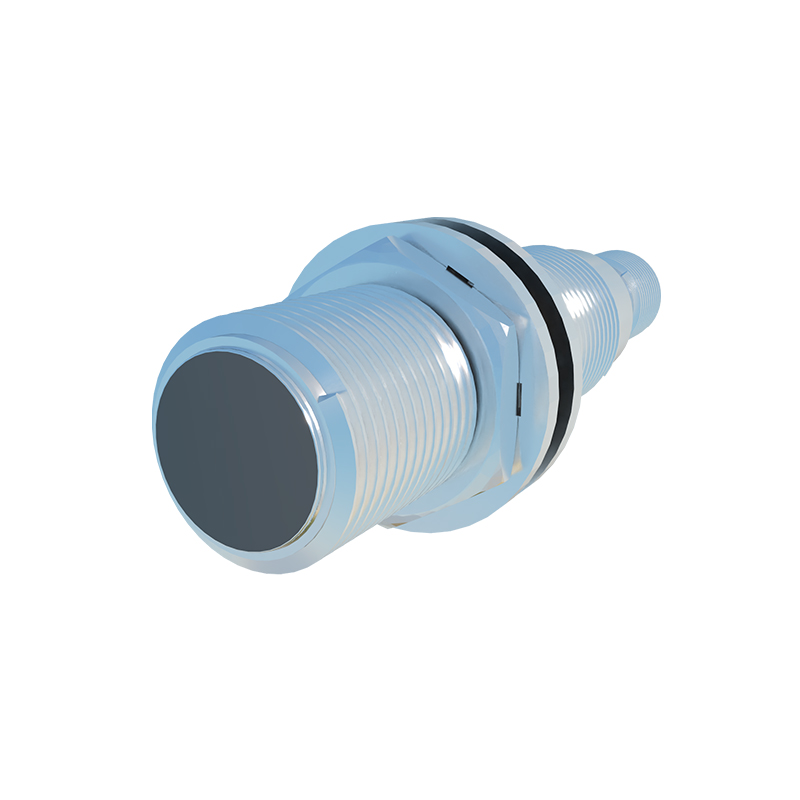
Ensuring Process Accuracy and Repeatability
The foremost purpose of checking proximity sensors is to guarantee the accuracy and repeatability of automated processes. In applications such as assembly line positioning, robotic arm guidance, or part counting, a malfunctioning sensor can cause misalignment, incorrect sequencing, or inaccurate counts. For instance, if a sensor responsible for confirming the presence of a component in a machining station fails, the machine might attempt an operation on an empty fixture, leading to tool damage, product scrap, and unscheduled downtime. Regular checks verify that the sensor activates at the precise correct distance and provides a consistent, clean signal. This validation ensures that every cycle of the process is executed identically, maintaining high product quality and minimizing waste.
Preventing Unplanned Downtime and Production Loss
Unplanned equipment stoppages are a significant cost driver in manufacturing. A failed or drifting proximity sensor is a frequent culprit behind such disruptive events. The purpose of proactive checking is to identify sensors that are showing signs of degradation—such as reduced sensing range, intermittent operation, or increased response time—before they cause a complete failure. Implementing a routine inspection schedule, which may include verifying the sensor's output with a multimeter or oscilloscope and checking for physical damage or contamination, allows for predictive maintenance. Replacing a suspect sensor during a planned maintenance window is vastly more efficient and less costly than dealing with a line stoppage during peak production hours, thereby safeguarding overall equipment effectiveness (OEE).
Enhancing Operational Safety
In many industrial settings, proximity sensors are integral to safety systems. They are used as interlock devices on safety gates, to detect the presence of operators in hazardous zones, or to ensure a machine is clear before initiating an automatic cycle. Checking these safety-critical sensors is paramount. A failure in such an application could lead to a severe personnel injury or equipment damage. The checking process for safety sensors is often more rigorous and may involve functional safety protocols per standards like ISO 13849. This ensures the sensor and its associated circuit are functioning correctly, providing the necessary risk reduction. Regular checks confirm that safety functions are not compromised, maintaining a secure working environment.
Verifying Electrical Integrity and Signal Stability
Proximity sensors operate in electrically noisy industrial environments. Over time, cable insulation can degrade, connectors can become loose, and the sensor's internal electronics can be affected by voltage spikes or temperature extremes. The purpose of checking is to verify the electrical integrity of the entire sensing loop. This involves inspecting wiring for abrasions, ensuring tight connections, and measuring the output signal to confirm it meets the specified voltage or current levels without excessive noise or dropouts. A stable signal is crucial for the control system to interpret the sensor's state correctly. An unstable signal can cause erratic machine behavior, which is often difficult to diagnose without systematic sensor verification.
Optimizing System Performance and Longevity
Beyond basic functionality, checking proximity sensors contributes to optimizing the overall performance and extending the lifespan of both the sensor and the machinery. For example, a sensor that is mounted slightly out of alignment may still work but could be operating at the very edge of its sensing range, making it susceptible to failure from minor vibrations. During a check, technicians can verify the mounting alignment and adjust it to the optimal position within the sensor's nominal sensing range. This reduces stress on the sensor's components. Furthermore, cleaning the sensing face from accumulated oil, dust, or metal chips during inspections prevents false triggers and ensures reliable operation, thereby maximizing the return on investment in automation components.
Facilitating Troubleshooting and System Diagnostics
When a complex automated system faults, a systematic approach to checking the proximity sensors is a key diagnostic step. Knowing that all sensors have been recently verified and are within specification allows engineers to quickly rule out sensor issues and focus on other potential causes, such as mechanical actuators, controllers, or software logic. Conversely, if a sensor check reveals a problem, it provides a clear starting point for repair. Maintaining a