Introduction to Proximity Switches in Smart Automation
In the realm of industrial automation, proximity switches stand as fundamental components, enabling non-contact detection of objects. These smart sensors have evolved significantly, integrating advanced technologies to provide precise, reliable, and efficient operation. Unlike mechanical limit switches, proximity switches operate without physical contact, thereby reducing wear and tear and minimizing maintenance requirements. They are pivotal in various applications, from assembly lines and packaging machinery to robotic systems and safety interlocks. The core principle involves generating an electromagnetic field or a beam of radiation; when an object enters this field, it causes a change in the signal, which the sensor detects and converts into an electrical output. This seamless interaction forms the backbone of modern automated processes, ensuring smooth, uninterrupted operations.
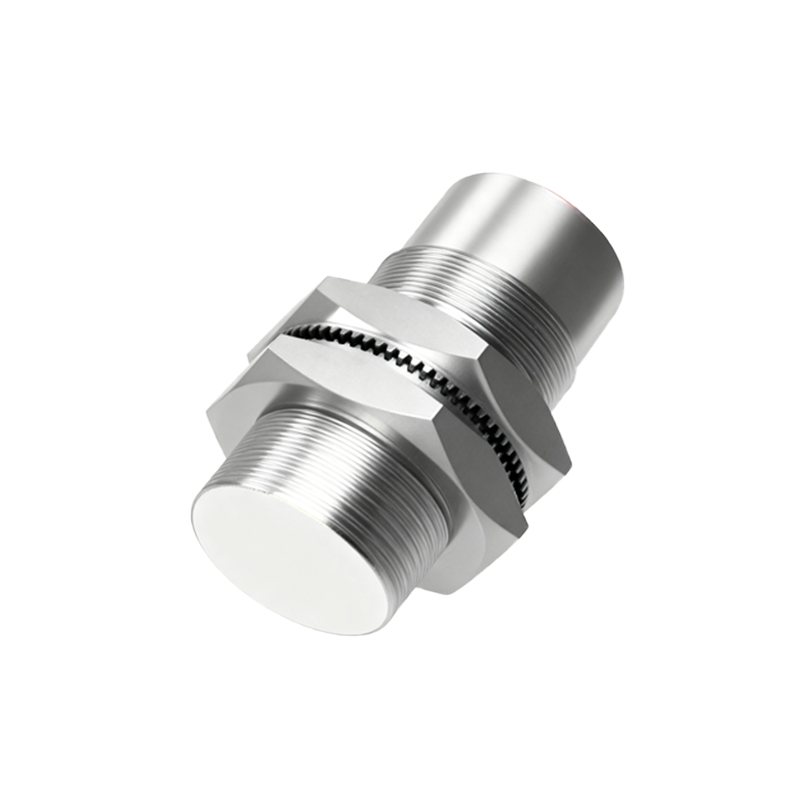
Key Technologies and Operating Principles
Proximity switches primarily utilize three sensing technologies: inductive, capacitive, and photoelectric. Inductive proximity sensors are the most common, detecting metallic objects through changes in an oscillating electromagnetic field. They are highly reliable for metal detection in harsh industrial environments. Capacitive proximity sensors, on the other hand, can detect both metallic and non-metallic materials by sensing changes in capacitance caused by the presence of an object. This makes them versatile for applications involving liquids, plastics, or granular materials. Photoelectric sensors use light beams, typically infrared, to detect objects; they are excellent for long-range detection and can identify various materials regardless of color or reflectivity with proper tuning. Each technology offers distinct advantages, and selection depends on factors like target material, sensing distance, environmental conditions, and required response time.
Integration with Industrial IoT and Smart Systems
The advent of Industry 4.0 has transformed standard proximity switches into intelligent nodes within vast industrial networks. Modern smart proximity sensors are equipped with microprocessors, digital communication interfaces, and self-diagnostic capabilities. They can communicate via protocols like IO-Link, PROFINET, or EtherNet/IP, providing real-time data on operational status, health parameters, and even predictive maintenance alerts. This integration allows for centralized monitoring and control, enabling dynamic adjustments to production processes based on sensor feedback. For instance, a smart inductive sensor on a conveyor belt can not only detect a metal component but also communicate its exact position, speed, and orientation to a PLC, facilitating precise robotic handling. This level of connectivity enhances overall equipment effectiveness (OEE) and paves the way for fully adaptive manufacturing systems.
Critical Applications and Performance Benefits
Smart proximity switches find critical applications across diverse sectors. In automotive manufacturing, they ensure precise positioning of parts for welding and assembly. In food and beverage processing, capacitive sensors monitor fill levels in containers without contact, maintaining hygiene standards. Photoelectric sensors are indispensable in material handling for detecting transparent objects on packaging lines. The performance benefits are substantial: increased production speed due to fast response times, improved product quality through consistent and accurate detection, enhanced worker safety by enabling safe machine guarding and area monitoring, and reduced downtime via robust, maintenance-free design. Furthermore, their ability to operate in extreme temperatures, resist vibration, and withstand exposure to chemicals or washdowns makes them suitable for challenging industrial environments.
Selection Criteria and Installation Best Practices
Choosing the right proximity switch requires careful consideration of several parameters. Key factors include the sensing distance (rated and effective), the target material and size, the required output type (PNP/NPN, analog, or digital), the supply voltage, and the environmental protection rating (IP or NEMA). Electrical characteristics like switching frequency and hysteresis are also crucial for high-speed applications. For installation, best practices involve ensuring proper alignment between the sensor and the target, avoiding mutual interference between multiple sensors, and providing adequate shielding in electrically noisy environments. Mounting should be secure to prevent vibration-induced errors, and cables should be routed away from power lines to minimize electromagnetic interference. Regular functional testing and adherence to manufacturer guidelines are essential for long-term reliability.
Future Trends and Advancements
The future of smart automation sensors, including proximity switches, is geared towards greater intelligence, miniaturization, and energy efficiency. Emerging trends include the development of sensors with integrated AI capabilities for edge computing, allowing for pattern recognition and anomaly detection directly at the sensor level. Advances in materials science may lead to sensors with enhanced sensitivity and the ability to detect new types of materials. Furthermore, the push for wireless and energy-harvesting sensors will simplify installation in complex or rotating machinery and contribute to more sustainable automation solutions. As cyber-physical systems become more prevalent, the role of these intelligent sensors as data sources will only expand, driving further optimization and innovation in industrial automation landscapes worldwide.