Introduction to Optical Mouse Sensor Angles
Optical mouse sensors rely on precise angular definitions to ensure accurate tracking and responsiveness. These angles are critical parameters that define how the sensor interprets surface movement and translates it into cursor motion. Engineers and designers must thoroughly understand these angles to optimize sensor performance for various applications, from gaming to professional graphic design. The primary angles include the beam angle, acceptance angle, and tracking angle, each playing a distinct role in the sensor's functionality. This article delves into the technical definitions and implications of these angles, providing a comprehensive overview for industry professionals.
Beam Angle Definition and Significance
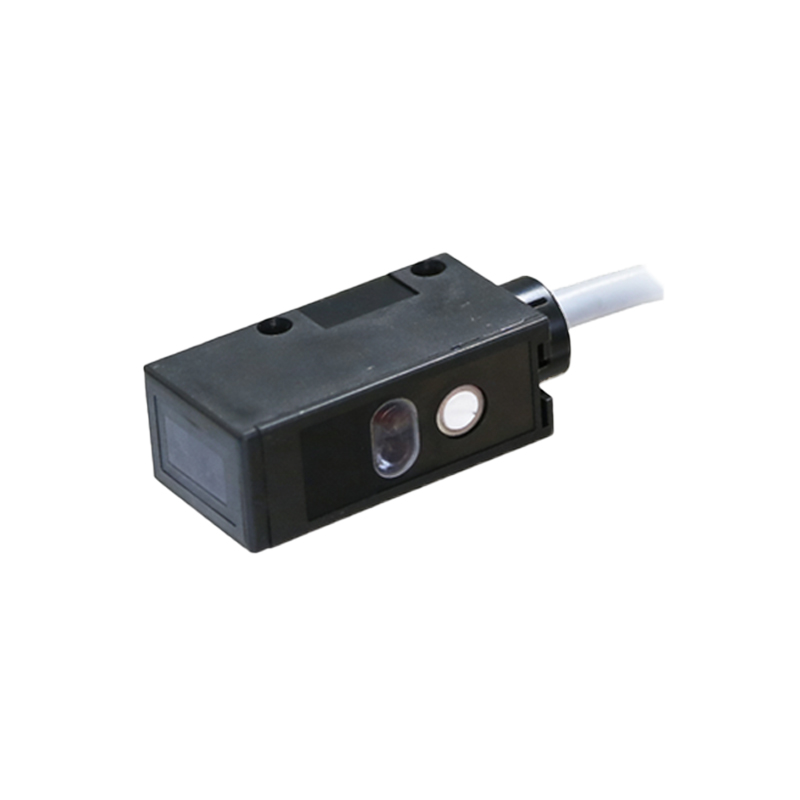
The beam angle refers to the angle at which the light-emitting diode (LED) or laser projects light onto the surface. Typically measured in degrees, this angle determines the spread and intensity of the illumination pattern. A narrower beam angle concentrates light on a smaller area, enhancing contrast and detail for high-resolution tracking, while a wider beam angle covers a larger surface, improving performance on uneven or textured materials. In optical mouse sensors, the beam angle is carefully calibrated to balance between precision and surface compatibility. For instance, gaming mice often feature optimized beam angles to handle rapid movements on cloth pads, whereas office mice may use broader angles for versatility on various desks.
Acceptance Angle in Sensor Optics
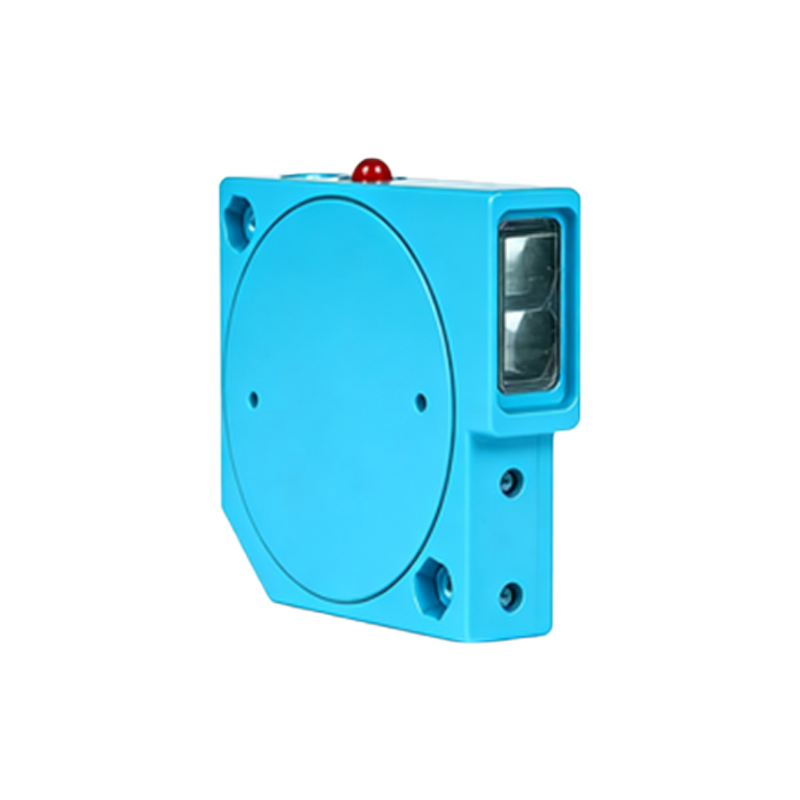
Acceptance angle defines the range of angles at which the sensor's photodetector can effectively capture reflected light. This parameter is crucial for filtering out noise and ensuring that only relevant surface details are processed. A larger acceptance angle allows the sensor to gather more light from diverse reflections, which can improve tracking on glossy or reflective surfaces. However, it may also introduce unwanted artifacts if not properly controlled. Engineers design lenses and apertures to shape the acceptance angle, often using mathematical models to predict performance across different materials. In practice, the acceptance angle works in tandem with the beam angle to create a coherent imaging system that minimizes errors like jitter or acceleration.
Tracking Angle and Its Operational Role
Tracking angle, sometimes called the skew angle, pertains to the sensor's ability to detect movement along non-linear paths. It represents the maximum angular deviation from a straight line that the sensor can accurately interpret without losing tracking. This angle is vital for applications requiring intricate maneuvers, such as digital art or competitive gaming. Modern optical sensors employ advanced algorithms to compensate for tracking angle limitations, enabling smooth cursor motion even during sharp turns or rapid direction changes. Designers often specify tracking angles in product datasheets, with higher values indicating better adaptability to complex user inputs. Testing under various angles ensures reliability in real-world scenarios.
Impact of Angles on Sensor Performance
The interplay between beam, acceptance, and tracking angles directly influences overall sensor performance. Optimal angular configurations lead to higher dots per inch (DPI) accuracy, reduced latency, and improved surface recognition. For example, a sensor with a finely tuned beam angle and wide acceptance angle can track consistently on both dark and light surfaces, reducing the need for recalibration. Conversely, mismatched angles may cause tracking failures or erratic behavior. Industry standards, such as those from the International Electrotechnical Commission (IEC), provide guidelines for angle tolerances in consumer electronics. Engineers use these benchmarks to validate designs through rigorous testing, including angle-specific benchmarks in quality assurance processes.
Design Considerations for Angle Optimization
When designing optical mouse sensors, engineers must balance angular parameters with factors like power consumption, cost, and form factor. Computational simulations, such as ray tracing, help predict how angles affect light propagation and detection. Material choices for lenses and coatings also play a role; for instance, anti-reflective coatings can enhance acceptance angles by minimizing stray light. In recent years, advancements in micro-optics have enabled more precise control over angles, allowing for smaller sensors without sacrificing performance. Designers often iterate prototypes to fine-tune angles based on user feedback, ensuring that final products meet ergonomic and functional demands across diverse markets.
Future Trends in Angular Sensor Technology
Emerging technologies are pushing the boundaries of angular definitions in optical sensors. Innovations like adaptive angle adjustment, where sensors dynamically modify beam and acceptance angles based on surface feedback, are gaining traction. Machine learning algorithms further enhance this by predicting optimal angles for specific tasks, such as gaming versus office work. Additionally, the integration of multi-angle arrays in sensors allows for 3D motion tracking, expanding applications beyond traditional mice into virtual reality and robotics. As industry demands evolve, continuous research into angular precision will drive next-generation sensors with higher accuracy and lower power profiles, shaping the future of human-computer interaction.