Introduction to Magnetic Proximity Sensors
Magnetic proximity sensors are essential components in industrial automation, offering non-contact detection of ferromagnetic objects. They operate based on the Hall effect or magnetoresistive principles, generating a signal when a magnetic field, typically from a permanent magnet or actuator, is within a specified range. These sensors are prized for their durability, reliability in harsh environments, and immunity to dust, oil, and moisture. Common applications include position sensing in machinery, speed monitoring in conveyors, and safety interlocks in automotive systems. As industries increasingly adopt automation and IoT solutions, the demand for these sensors continues to grow, influencing their pricing dynamics across global markets.
Factors Influencing Magnetic Proximity Sensor Prices
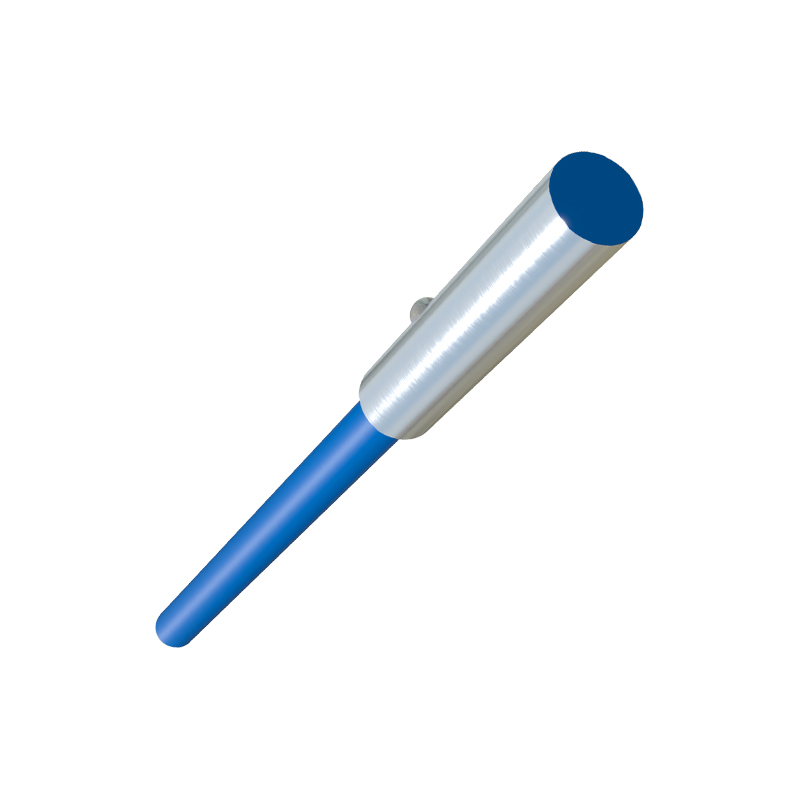
Several key factors drive the cost of magnetic proximity sensors. Material costs, particularly for semiconductors like Hall-effect chips and rare-earth magnets, play a significant role; fluctuations in raw material prices, such as neodymium or samarium-cobalt, can directly impact sensor pricing. Technological advancements, including miniaturization, enhanced sensing ranges, and integration with digital interfaces (e.g., IO-Link), often lead to higher initial costs but may reduce long-term expenses through improved efficiency. Manufacturing scale also affects prices—large-volume production by major brands like Siemens, Omron, or Pepperl+Fuchs typically lowers unit costs due to economies of scale. Additionally, customization requirements, such as specific housing materials (stainless steel or plastic) or output types (PNP/NPN), can increase prices compared to standard off-the-shelf models.
Current Market Price Trends
In recent years, the global market for magnetic proximity sensors has experienced moderate price volatility. According to industry reports, average prices range from $10 to $50 per unit for basic models, while high-performance variants with extended ranges or smart features can cost $100 or more. The trend shows a gradual decline in prices for standard sensors due to increased competition and manufacturing efficiencies in regions like Asia-Pacific, particularly China and Japan. However, supply chain disruptions, such as semiconductor shortages or logistics delays, have occasionally caused price spikes. The adoption of Industry 4.0 and IIoT (Industrial Internet of Things) is driving demand for sensors with connectivity capabilities, which may sustain higher price points for advanced models. Overall, the market is moving toward a balance between cost-effectiveness and technological innovation.
Regional Price Variations and Supply Chains
Pricing for magnetic proximity sensors varies significantly by region, influenced by local manufacturing capabilities, import tariffs, and demand levels. In North America and Europe, prices tend to be higher due to stringent quality standards, labor costs, and brand premiums from established suppliers. For instance, sensors from German or U.S. manufacturers often command a 20-30% price premium over comparable Asian products. In contrast, the Asia-Pacific region offers more competitive pricing, driven by large-scale production hubs in China, South Korea, and Taiwan. However, factors like currency exchange rates and trade policies can affect import costs. Supply chain resilience has become a critical consideration; companies are increasingly diversifying sources to mitigate risks, which may influence pricing strategies toward regionalization or nearshoring in the future.
Cost-Benefit Analysis for Industrial Buyers
For industrial buyers, selecting magnetic proximity sensors involves weighing upfront costs against long-term benefits. Lower-priced sensors may reduce initial investment but could lead to higher maintenance or replacement costs if they lack durability in demanding environments. Key considerations include total cost of ownership (TCO), which encompasses installation, energy consumption, and lifecycle reliability. Sensors with features like self-diagnostics or predictive maintenance capabilities, though pricier, can minimize downtime and operational losses. It is advisable to evaluate suppliers based on certifications (e.g., IP67 for waterproofing), warranty terms, and technical support. Bulk purchasing or long-term contracts with distributors can also secure favorable pricing, especially for standardized applications in sectors like automotive, packaging, or material handling.
Future Outlook and Price Predictions
The future pricing of magnetic proximity sensors is expected to be shaped by technological integration and sustainability trends. As smart factories evolve, demand for sensors with embedded intelligence and wireless connectivity will likely grow, potentially keeping prices stable or slightly elevated for advanced units. Innovations in materials science, such as the development of cheaper magnet alternatives or energy-efficient designs, could drive costs down over time. Market analysts project a compound annual growth rate (CAGR) of around 5-7% for the sensor market, with price competition intensifying among manufacturers. However, regulatory pressures for eco-friendly production and circular economy practices may add to manufacturing costs. Buyers should monitor industry shifts, such as the rise of additive manufacturing for custom sensor hous