Introduction to Proximity Sensing Technology
Proximity sensors are essential components in modern industrial automation, designed to detect the presence or absence of objects without physical contact. These devices operate based on various principles, including electromagnetic fields, capacitance, and photoelectric effects, making them ideal for applications where durability, speed, and reliability are critical. By emitting a sensing field, proximity sensors can detect metallic or non-metallic targets, triggering a switch-like response that controls machinery, ensures safety, or monitors processes. Their non-contact nature minimizes wear and tear, reducing maintenance costs and enhancing operational efficiency in harsh environments such as manufacturing plants, automotive assembly lines, and packaging systems.
Types of Proximity Sensors for Switching Applications
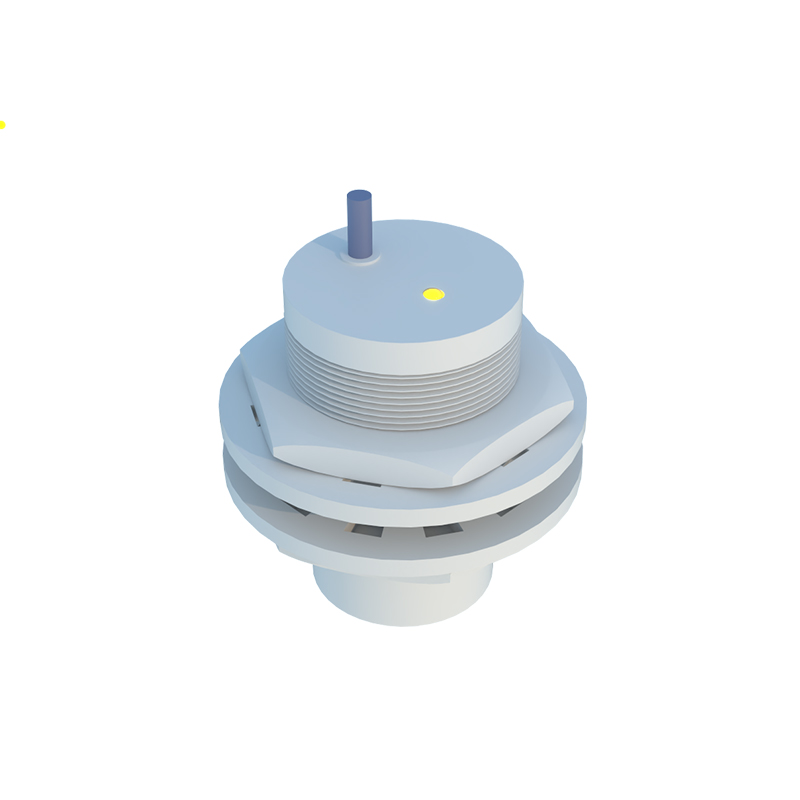
Several types of proximity sensors are commonly used as switches in industrial settings. Inductive proximity sensors are the most prevalent, utilizing electromagnetic fields to detect ferrous metals like iron and steel. They are highly durable and suitable for high-speed operations, often employed in metal detection and positioning tasks. Capacitive proximity sensors, on the other hand, can sense both metallic and non-metallic materials, including liquids and plastics, by measuring changes in capacitance. Photoelectric sensors use light beams to detect objects, offering long-range capabilities and versatility for diverse materials. Ultrasonic sensors rely on sound waves, making them effective for distance measurement and object detection in challenging conditions. Each type serves specific switching needs, from simple on/off control to complex automation sequences.
Key Features and Benefits in Industrial Use
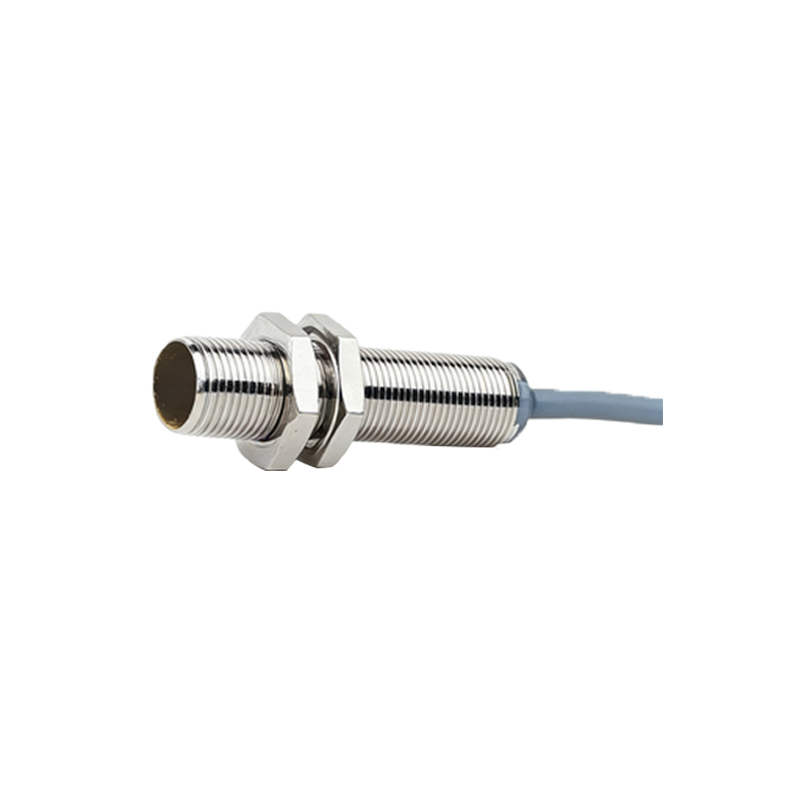
Proximity sensors offer numerous advantages when deployed as switches. Their non-contact operation eliminates mechanical stress, leading to longer lifespans and reduced downtime. High switching speeds enable rapid response times, crucial for fast-paced production lines. Additionally, these sensors are resistant to environmental factors such as dust, moisture, and temperature fluctuations, ensuring consistent performance in demanding settings. Many models feature adjustable sensing ranges and output configurations, allowing customization for specific applications. By integrating with programmable logic controllers (PLCs) and other automation systems, proximity sensors facilitate precise control, improving productivity and safety. Their compact designs also enable easy installation in space-constrained areas.
Applications in Automation and Control Systems
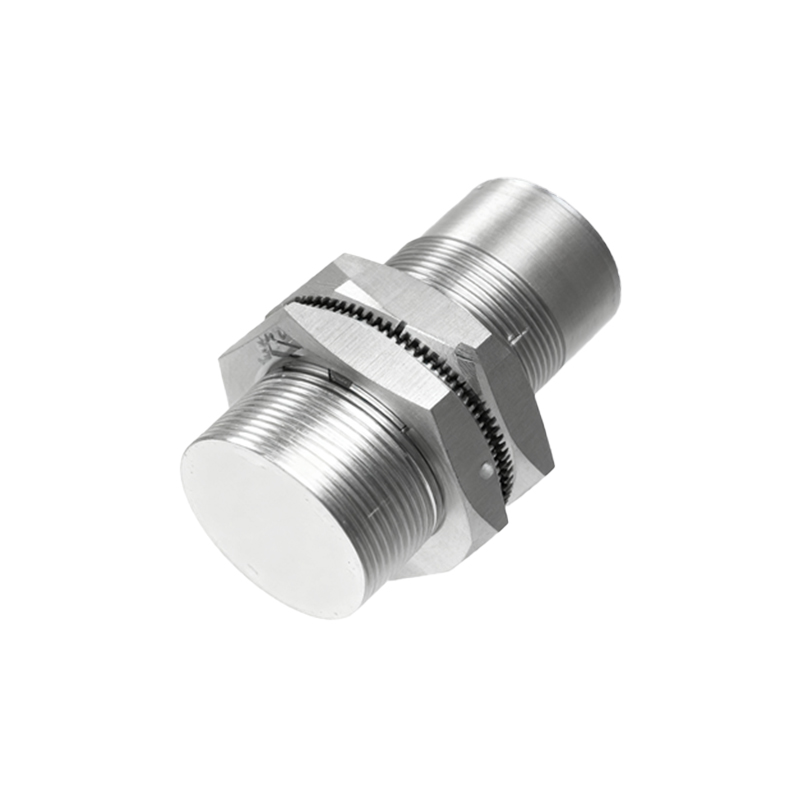
In industrial automation, proximity sensors function as reliable switches across various sectors. In manufacturing, they detect parts on conveyor belts, trigger robotic arms, or monitor assembly processes, ensuring smooth operations. Automotive industries use them for position sensing in engines, brake systems, and safety mechanisms. Packaging machinery relies on proximity sensors to count items, verify closures, or manage material flow. They also play a vital role in safety systems, such as emergency stop circuits or guarding applications, where immediate detection of intrusions is essential. With advancements in IoT and smart manufacturing, these sensors contribute to data collection and predictive maintenance, enhancing overall system intelligence.
Selection and Installation Considerations
Choosing the right proximity sensor for switching purposes requires careful evaluation of factors like target material, sensing distance, environmental conditions, and output requirements. For metallic targets, inductive sensors are typically preferred, while capacitive or photoelectric sensors suit non-metallic applications. Installation involves aligning the sensor correctly to avoid interference from nearby objects or electrical noise. Proper shielding and wiring are necessary to prevent false triggers or signal loss. Regular calibration and testing ensure optimal performance, and adherence to industry standards, such as IEC or NEMA ratings, guarantees compatibility and safety. Consulting technical datasheets and manufacturer guidelines helps in selecting models that meet specific operational demands.
Future Trends and Innovations
The evolution of proximity sensors continues to drive innovation in industrial switching. Emerging technologies include miniaturized sensors with enhanced sensitivity, enabling detection of smaller objects or finer tolerances. Integration with wireless communication and Industry 4.0 platforms allows for remote monitoring and real-time analytics, boosting efficiency. Smart sensors with self-diagnostic capabilities can predict failures and schedule maintenance, reducing unplanned outages. Additionally, developments in materials and energy-efficient designs contribute to sustainability efforts. As automation becomes more sophisticated, proximity sensors will remain integral to adaptive and intelligent control systems, supporting advancements in robotics, AI, and sustainable manufacturing practices.