Introduction to Proximity Switch Sensors in Hopper Systems
In the realm of industrial automation and bulk material handling, the reliable and precise detection of material levels within hoppers, bins, and silos is paramount. Proximity switch sensors serve as the critical eyes of these systems, providing essential feedback for process control, inventory management, and equipment protection. Unlike mechanical limit switches, these non-contact electronic devices detect the presence or absence of target materials without physical interaction, leading to reduced wear, higher reliability, and minimal maintenance. Their application in material hoppers ensures processes run smoothly, preventing overfilling, bridging, or empty running conditions that can lead to costly downtime, product waste, or even equipment damage. This guide delves into the operational principles, selection criteria, installation best practices, and troubleshooting techniques specific to proximity sensors in hopper environments.
Core Operating Principles and Sensor Types
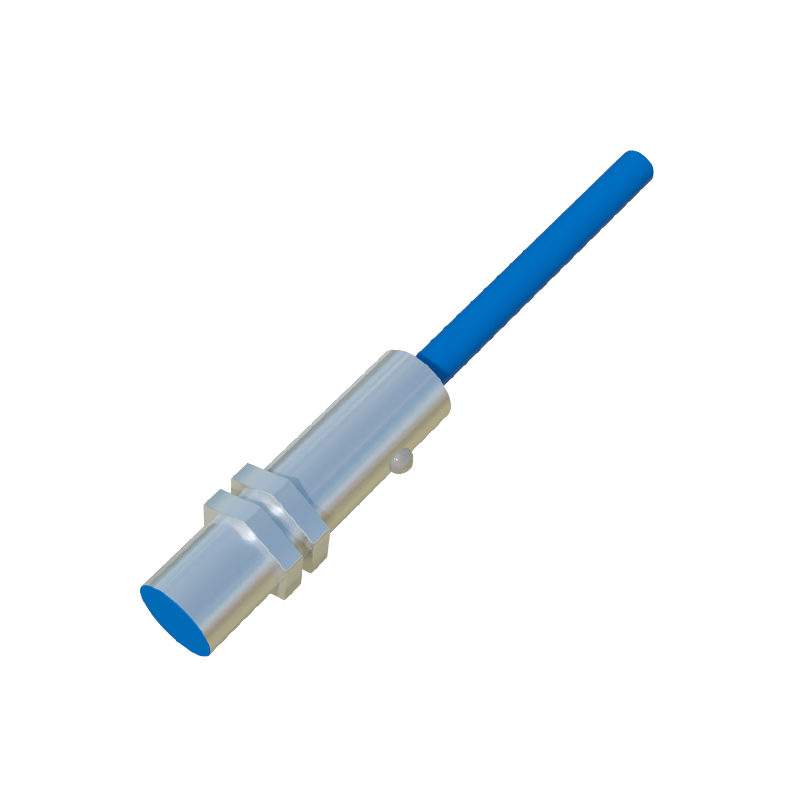
Proximity sensors for hopper applications primarily operate on inductive, capacitive, or ultrasonic principles, each suited for different material properties. Inductive proximity sensors are the standard choice for detecting metallic materials. They generate an electromagnetic field; when a metallic target enters this field, it induces eddy currents that dampen the oscillation amplitude, triggering a switching signal. For non-metallic materials like plastics, grains, powders, or liquids, capacitive proximity sensors are employed. These sensors detect changes in capacitance caused by the presence of any material that alters the dielectric constant near the sensing face. Ultrasonic sensors, which measure the time-of-flight of sound waves reflected from the material surface, are ideal for continuous level measurement or detecting materials at greater distances. The selection hinges on the material composition, required sensing range, environmental conditions, and the specific detection task—be it point level detection (full/empty) or more complex monitoring.
Critical Selection Criteria for Hopper Environments
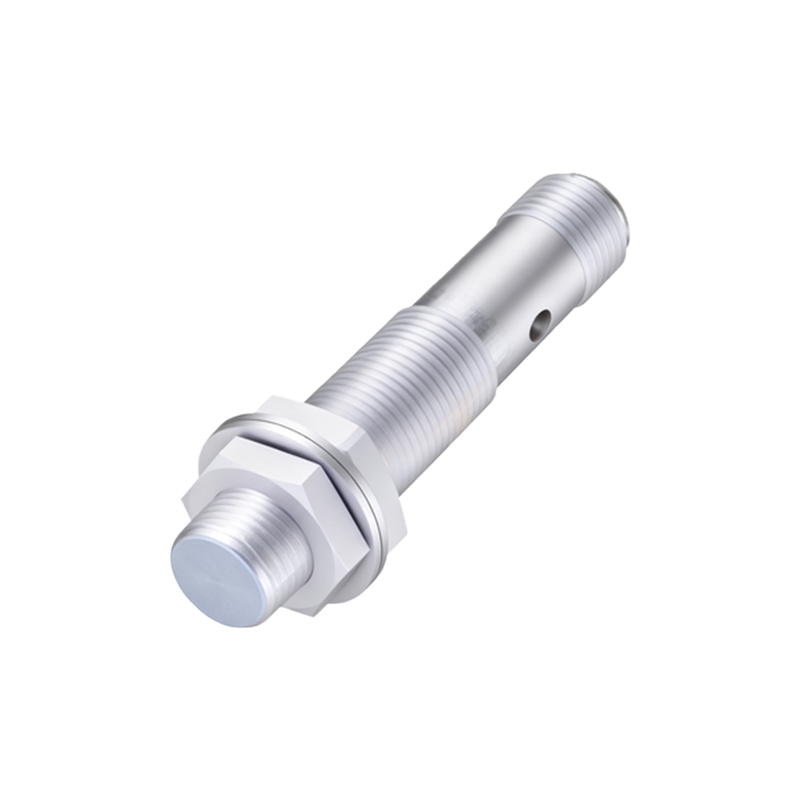
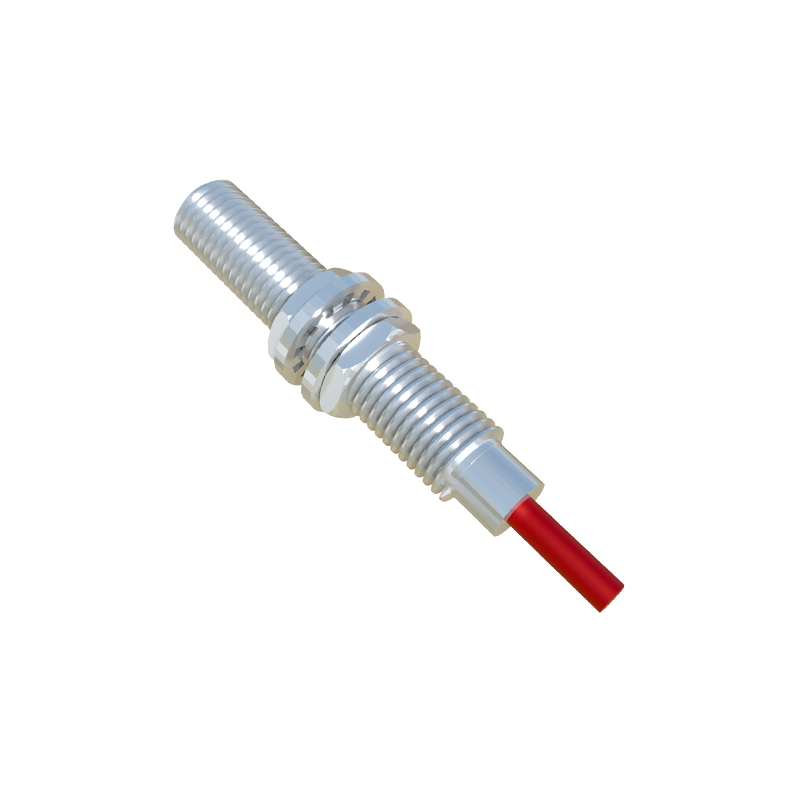
Choosing the correct proximity sensor for a hopper is not merely about detection technology. Engineers must consider a matrix of demanding factors. The chemical and physical nature of the material is first: Is it abrasive, corrosive, adhesive, or dusty? For abrasive materials, sensors with robust, wear-resistant sensing faces (e.g., PTFE or ceramic coatings) are essential. The installation environment presents challenges like extreme temperatures, high pressure, humidity, or potential for explosive atmospheres, necessitating sensors with appropriate IP (Ingress Protection) and NEMA ratings, as well as ATEX/IECEx certifications for hazardous areas. Electrical output type (PNP/NPN, NO/NC, analog) must interface seamlessly with the existing PLC or control system. Finally, the mechanical design, including housing material (stainless steel is often preferred for food or corrosive applications), thread size, and form factor, must allow for secure and accessible mounting on the hopper structure.
Installation and Configuration Best Practices
Proper installation is crucial for reliable sensor performance. The mounting location must be strategically chosen to detect the material under all process conditions, avoiding dead zones where material can build up or flow patterns can create false signals. For point-level detection, sensors are typically mounted at the high and low-level set points. It is vital to ensure the sensor's sensing face is flush with or slightly protruding from the hopper's inner wall to prevent material buildup that could cause false triggering. Adequate grounding and proper shielding of cables are mandatory to mitigate electrical noise interference from motors, variable frequency drives, or other industrial equipment. During configuration, the sensitivity adjustment (available on many models) must be carefully tuned to the specific material to avoid detecting the hopper wall itself or being insensitive to the actual material, especially with capacitive sensors.
Common Challenges and Troubleshooting Techniques
Even with careful selection and installation, proximity sensors in hoppers face persistent challenges. Material coating or buildup on the sensor face is a frequent issue, particularly with sticky or moist materials. This can insulate capacitive sensors or dampen ultrasonic signals, leading to failure. Solutions include using sensors with anti-coating circuitry, installing mechanical vibrators or air blasters, or selecting a sensor design that minimizes ledges where material can accumulate. Electrical interference is another common culprit, manifesting as erratic switching. Verifying cable routing, ensuring proper grounding, and using shielded cables connected at the controller end can resolve most noise issues. Regular maintenance checks for physical damage, cleanliness, and signal integrity are recommended as part of a predictive maintenance program.
Advancements and Future Trends
The evolution of proximity sensor technology continues to address the needs of modern hopper systems. IO-Link communication is becoming a significant trend, transforming standard digital sensors into smart devices. An IO-Link enabled proximity sensor can transmit not just a switch signal, but also diagnostic data (e.g.,