Introduction to Proximity Sensing Technology
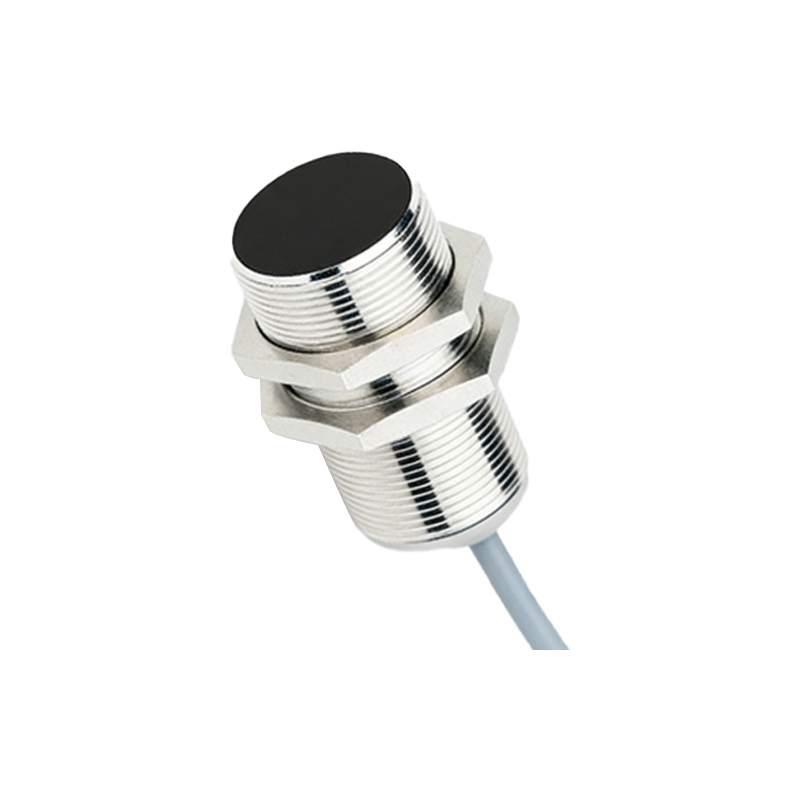
Proximity sensors are fundamental components in modern industrial automation, providing non-contact detection of objects. Among the diverse range of sensors available, the NBN40 series represents a specific class of inductive proximity sensors. These devices are engineered to detect metallic objects without any physical contact, thereby eliminating mechanical wear and enabling high-speed, reliable operation. The principle of operation is based on generating an electromagnetic field. When a metallic target enters this field, it induces eddy currents, causing a change in the field's characteristics. This change is detected by the sensor's internal oscillator and converted into a switching signal. The NBN40 model is typically designed for a nominal sensing distance, often 40mm, which offers a balance between detection range and physical size, making it suitable for a variety of industrial environments.
Key Technical Specifications of the NBN40 Sensor
The performance of the NBN40 proximity sensor is defined by its detailed technical specifications. A standard NBN40 sensor usually operates on a DC supply voltage, commonly ranging from 10 to 30 VDC, ensuring compatibility with standard industrial control systems. Its output configuration is typically a 3-wire system with a PNP (sourcing) or NPN (sinking) transistor output, allowing direct interface with programmable logic controllers (PLCs) and other control units. The housing is robust, often constructed from nickel-plated brass or stainless steel, providing high resistance to mechanical impacts, vibrations, and harsh environmental conditions such as coolants and oils. The sensing face is a critical part, and its material is chosen to withstand abrasion. An important feature is its short-circuit and reverse polarity protection, which enhances system reliability and prevents damage from wiring errors.
Typical Industrial Applications and Use Cases
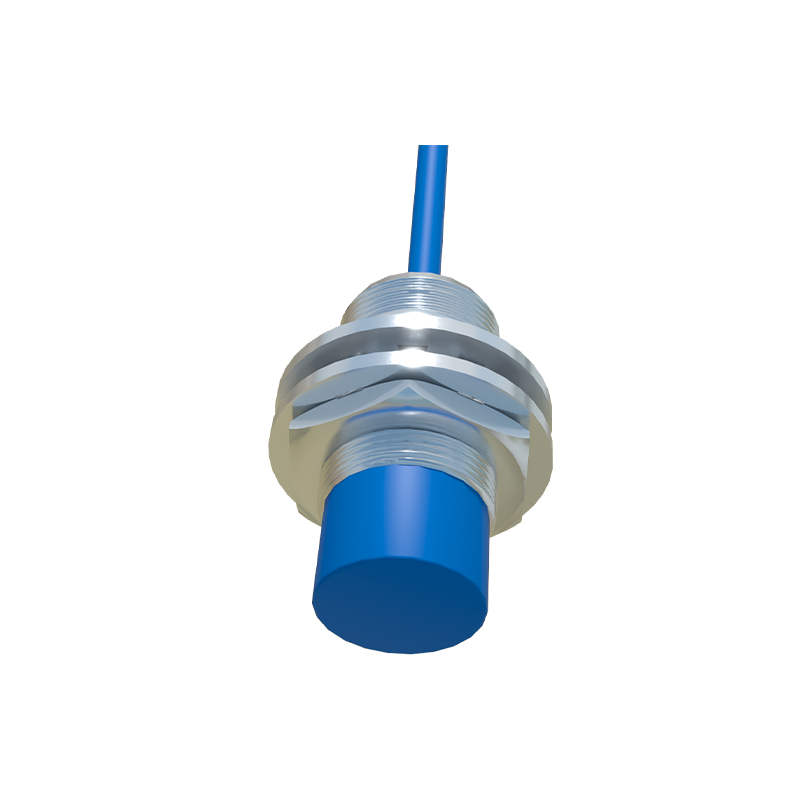
The NBN40 sensor finds extensive application across numerous sectors due to its robust design and reliable performance. In automotive manufacturing, it is used for part presence verification on assembly lines, such as confirming the position of engine blocks or detecting the passage of components on conveyors. Within the packaging industry, these sensors monitor the position of metallic parts on machinery, ensuring precise operation of fillers, cappers, and labeling systems. Material handling systems employ NBN40 sensors for pallet detection, position control on automated guided vehicles (AGVs), and end-of-travel limit sensing on actuators. Its ability to function in dirty or wet environments makes it ideal for metalworking and woodworking machinery, where it can detect tool position or count metallic workpieces without being affected by chips or dust.
Installation Considerations and Best Practices
Correct installation is paramount for optimal performance and longevity of the NBN40 proximity sensor. Mounting requires careful attention to the specified flush-mounting or non-flush-mounting conditions. For a flush-mountable sensor, it can be installed embedded in a metal bracket without affecting its sensing range. A non-flush type requires a clear space around the sensing face. The mounting hardware should be tightened to the recommended torque to avoid damaging the housing. Electrical wiring must follow the manufacturer's diagram precisely, connecting the brown wire (typically +V), blue wire (0V), and black wire (output signal). It is crucial to ensure that the sensor is not installed too close to other metal objects or adjacent sensors, as this can cause mutual interference and reduce the effective sensing distance, a phenomenon known as shielding.
Advantages Over Other Sensing Methods
The NBN40 inductive proximity sensor offers distinct advantages compared to mechanical limit switches and other sensing technologies like photoelectric or capacitive sensors. Its primary benefit is the complete absence of physical contact with the target, which results in no moving parts to wear out, leading to virtually infinite mechanical life and reduced maintenance. It provides extremely fast response times, often in the microsecond range, enabling detection in high-speed processes. Unlike photoelectric sensors, it is largely immune to ambient light conditions, dust, smoke, and opaque fluids that could obstruct a light beam. Compared to capacitive sensors, it is specifically tuned for metals, offering higher stability and immunity to environmental changes like humidity or material composition variations in non-target objects.
Guidelines for Selection and Sizing
Selecting the appropriate NBN40 sensor for a specific application involves evaluating several key parameters. First, determine the required sensing distance. While the nominal distance is 40mm, the effective operating distance should consider a safety factor, typically 10-20% less, to account for temperature variations and supply voltage tolerances. The target material is also critical; standard sensors are optimized for mild steel. For other metals like stainless steel, aluminum, or copper, the actual sensing distance will be reduced, and a correction factor must be