Understanding the Core of Photoelectric Sensing
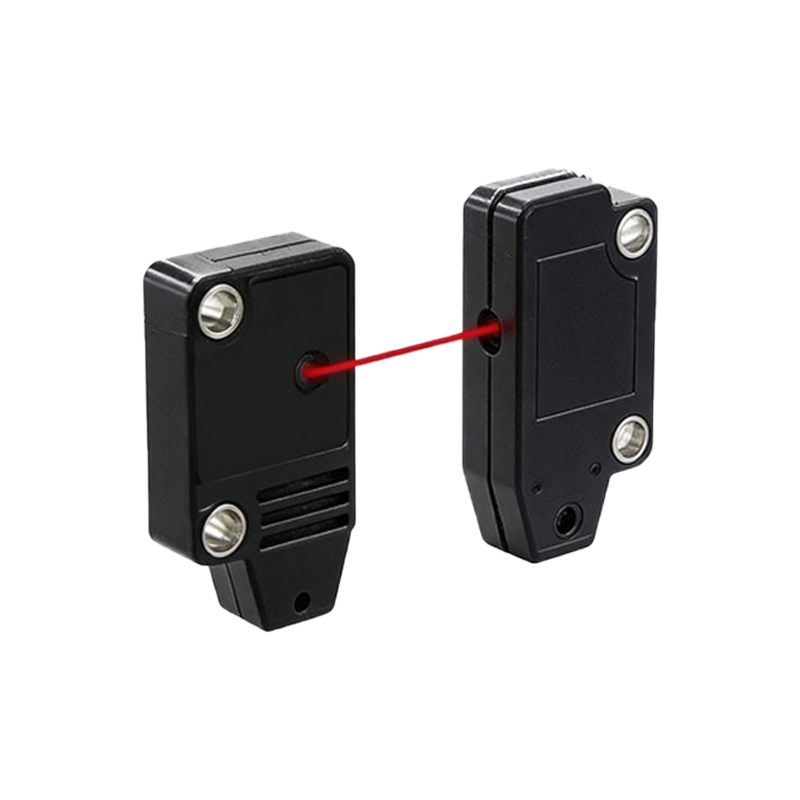
Photoelectric sensors are fundamental components in industrial automation and control systems. They operate on a simple yet powerful principle: they emit a beam of light, typically from an LED or laser diode, and detect changes in the received light signal. The presence, absence, or specific characteristics of an object are determined by how it interacts with this light beam—whether by reflecting it, interrupting it, or through retro-reflection. This technology enables non-contact detection of objects, making it invaluable for tasks like counting, positioning, and inspection across countless manufacturing and processing lines. The core function is precise, localized detection based on light.
Defining the Scope of "Monitoring"
The term "monitoring" in an industrial context is broad and functional. It refers to the continuous or periodic observation of a system, process, or condition to gather data, ensure performance, and trigger alerts or actions based on predefined parameters. Monitoring is an application, a purpose. It can be achieved through a diverse array of sensing technologies, not just photoelectric methods. For instance, temperature monitoring uses thermocouples, pressure monitoring uses transducers, and level monitoring might use ultrasonic or capacitive sensors. Therefore, "monitoring" itself is not a sensor technology but a goal accomplished by sensors.
The Role of Photoelectric Sensors in Monitoring Systems
Photoelectric sensors are exceptionally common and effective tools *for* monitoring specific conditions. They are frequently deployed as the critical sensing element within a larger monitoring system. A classic example is a photoelectric sensor used to monitor the fill level in a bottle on a conveyor. It detects whether the liquid is present at the correct height. Another is a safety light curtain monitoring a hazardous area for personnel intrusion. In these cases, the photoelectric sensor provides the raw detection signal. This signal is then sent to a controller (like a PLC) or a dedicated monitoring device which interprets it, logs data, and may initiate a control action like stopping a machine or activating an alarm. The sensor enables the monitoring function.
Key Distinctions: Sensor vs. Monitoring Device
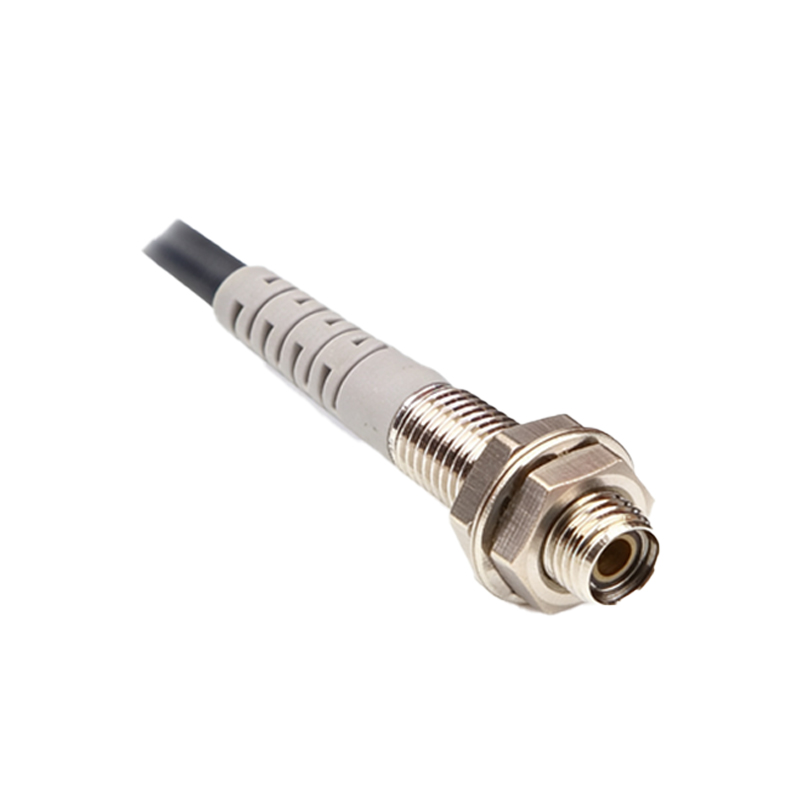
A crucial distinction lies between the sensor and a comprehensive monitoring device. A photoelectric sensor is a discrete component with a focused task: to output a signal (on/off or analog) based on a light-beam interaction. A monitoring device or system is higher-level. It often integrates one or multiple sensors (which could be photoelectric, inductive, vision-based, etc.), data processing units, communication interfaces, and user interfaces for display and configuration. For example, a network-connected condition monitoring unit on a motor might use vibration, temperature, *and* a photoelectric sensor for speed detection, synthesizing all data for health analysis. The photoelectric element is a part of the solution.
Advanced Photoelectric Technologies for Enhanced Monitoring
Modern advancements have blurred the lines, creating photoelectric sensors with built-in monitoring capabilities. These are sometimes called "smart sensors" or sensors with integrated diagnostics. Beyond simple object detection, they can monitor their own operating status—checking for lens contamination, assessing signal strength, or diagnosing misalignment. They communicate this self-health data to the control system, enabling predictive maintenance. Furthermore, photoelectric distance sensors (like background suppression or time-of-flight types) provide analog output to continuously monitor an object's position or dimension, feeding real-time data into a monitoring SCADA system. Here, the sensor itself performs a more complex monitoring role.
Conclusion: A Tool for the Task, Not a Synonym
In summary, monitoring is not a subtype of photoelectric sensor. Instead, photoelectric sensing is a highly reliable and versatile technology that is extensively employed to *enable* monitoring functions in industrial and commercial applications. The relationship is one of application: photoelectric sensors are often the "eyes" of a monitoring system. While basic photoelectric switches perform simple detection, advanced versions incorporate direct monitoring features of their own performance or the measured variable. Understanding this distinction is key for engineers and system designers when selecting the appropriate technology to solve a specific monitoring challenge, ensuring efficient, reliable, and intelligent system design.