Introduction to Photoelectric Sensing in Steel Rolling
The modern rolling mill is a symphony of precision and power, where the transformation of raw steel into finished product demands relentless accuracy and control. At the heart of this control infrastructure lies a critical component: the photoelectric sensor. These devices, operating on the principle of light emission and reception, provide the essential eyes for automation systems. They perform non-contact detection of position, presence, and dimensions with remarkable speed and reliability. In the harsh, demanding environment of a rolling mill—characterized by extreme temperatures, heavy vibration, airborne scale, and coolant mist—the choice and application of photoelectric sensors are paramount to ensuring continuous operation, product quality, and safety. Their ability to function without physical contact eliminates wear and tear on both the sensor and the product, making them indispensable for monitoring fast-moving hot slabs, coils, and finished strips.
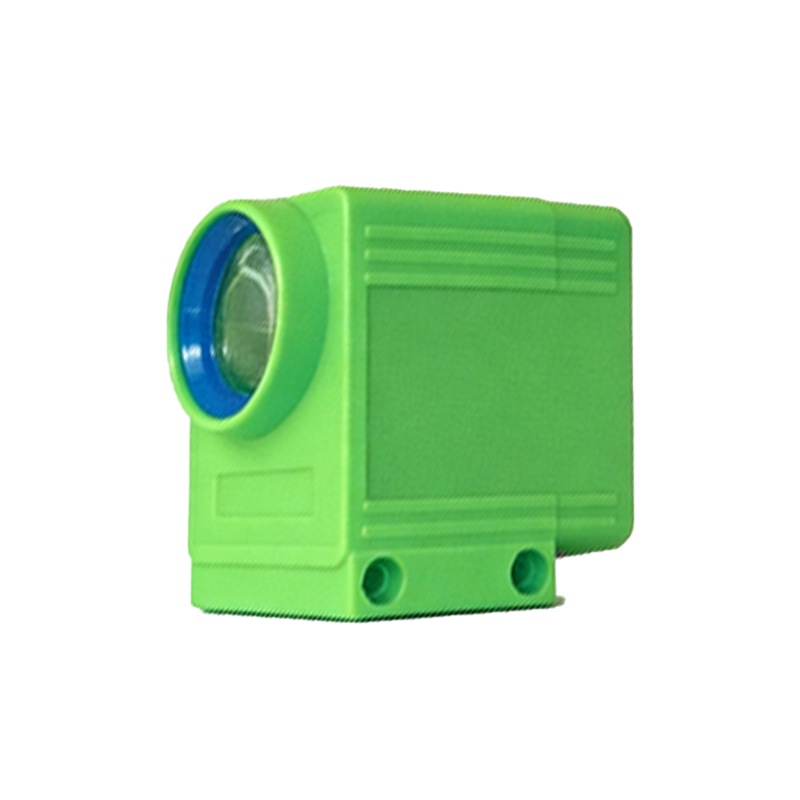
Core Operating Principles and Light Types
All photoelectric sensors consist of a light source (emitter) and a receiver. The emitter projects a beam of light, and the receiver detects changes in this beam caused by the presence or absence of an object. The three primary modes of operation are through-beam, retro-reflective, and diffuse reflective. Through-beam sensors, with separate emitter and receiver units, offer the longest sensing ranges and highest reliability, ideal for detecting the edge of a steel strip or the break in a material loop. Retro-reflective types use a single unit and a reflector, bouncing the beam back; they are suitable for detecting large objects like coils or pallets where mounting two separate units is impractical. Diffuse reflective sensors detect light reflected directly from the target itself, perfect for close-range detection of surface features or verifying the presence of a product on a conveyor. Common light sources include modulated LED in visible red, infrared, and laser. Infrared is widely used for its immunity to ambient light, while laser sensors provide a precise, focused beam for exact positioning tasks, such as width measurement or slit alignment.
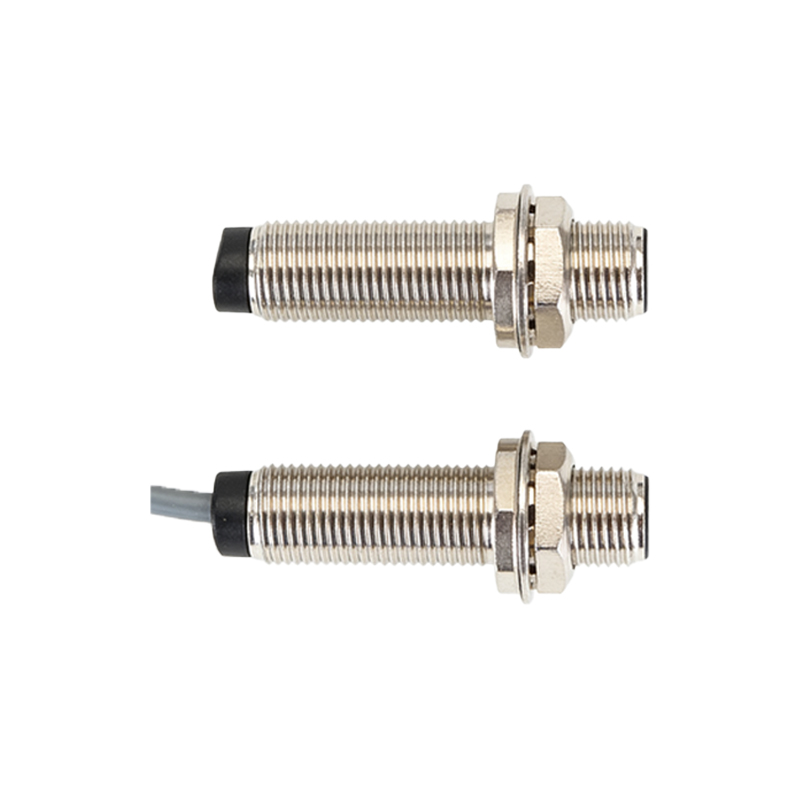
Key Sensor Types for Rolling Mill Applications
Specific photoelectric sensor variants have been developed to tackle the unique challenges of metal rolling. Background suppression sensors are crucial. Using triangulation principles, they can detect an object within a precise set distance while ignoring anything beyond it. This allows a sensor to reliably detect the leading edge of a steel sheet on a roller table, ignoring the reflective metal background of the machinery itself. Contrast sensors, or color sensors, are employed in quality control and process guidance. They detect differences in contrast or color, which can be used to identify paint marks on coils for tracking, read barcodes, or distinguish between different steel grades based on surface oxide color. Luminescence sensors detect the faint visible light emitted by hot metals (blackbody radiation), making them perfect for tracking the position of hot slabs or billets in reheat furnaces and roughing mills before they become visibly glowing. Fiber optic sensors, where only the rugged fiber cable is exposed to the extreme heat and physical hazard near the rolling line, with the sensitive electronics housed remotely, are a common solution for high-temperature zones.
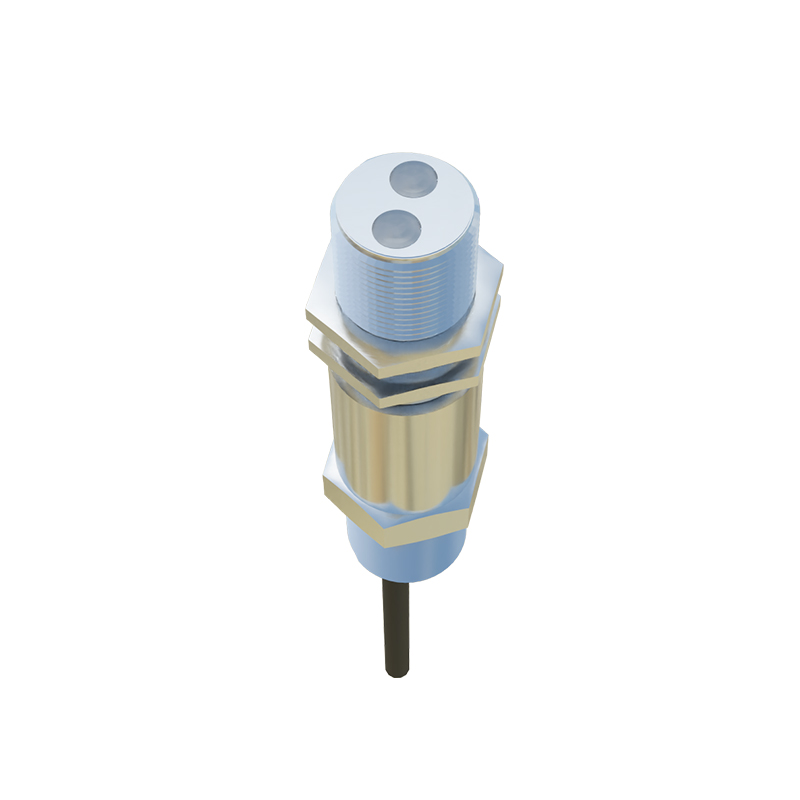
Critical Applications on the Rolling Line
The applications span the entire rolling process. In the entry section, sensors verify the presence and correct positioning of slabs on the furnace discharge table. Loop control in continuous rolling is a classic application; through-beam sensors accurately measure the size of the free-hanging loop of strip between mill stands, providing feedback to adjust stand speeds synchronously and prevent snapping or piling. Edge detection and guiding systems use arrays of sensors to monitor the lateral position of the strip, sending correction signals to hydraulic or mechanical guides to maintain perfect centering through the mill. At the exit, sensors confirm coil completion, detect the tail end of the strip for automatic shearing, and verify proper coil offloading. They are also integral to safety systems, forming light curtains that protect personnel from entering hazardous nip points or robotic areas.
Environmental Challenges and Sensor Protection
The rolling mill environment is arguably one of the toughest for any electronic device. Sensors must be housed in extremely robust enclosures, typically rated IP67, IP68, or IP69K to resist ingress from dust, scale, oil, and high-pressure washdowns. High-temperature variants are essential for areas near furnaces or hot metal. The sensing face often features a scratch-resistant window or a pneumatic purge connection to keep it clear of accumulating debris. Electrical noise from large motors and drives is intense, necessitating sensors with excellent electromagnetic compatibility (EMC) ratings and often, DC versions with short-circuit and reverse polarity protection. Vibration resistance is built into the internal components and mounting hardware to prevent failure from constant mechanical shock.
Selection Criteria and Maintenance Best Practices
Selecting the right sensor requires a detailed analysis of the task. Key factors include the required sensing distance, the size and surface characteristics of the target (hot, shiny, dark, textured), the required response speed, and the environmental conditions. The mounting position must provide a clear line of sight and be physically protected from impact. Regular maintenance is minimal but critical. It primarily involves keeping the lens clean through scheduled wiping or checking purge air systems. Diagnostic features like built-in LED status indicators (stable for ready, blinking for object detection) are invaluable for quick troubleshooting. Implementing a periodic functional check as part of preventive maintenance can prevent unexpected downtime.
The Future: Integration and Smart Sensors
The future of photoelectric sensing in rolling mills lies in deeper integration and intelligence. IO-Link enabled sensors are becoming standard, allowing for bidirectional digital communication. This enables remote configuration, real-time diagnostic data transmission (like lens contamination levels or internal temperature), and parameter downloading, simplifying changeovers for different product sizes. Integration with machine vision systems and AI algorithms will allow sensors to not just detect presence, but also classify surface defects or make predictive judgments about process anomalies, further pushing the boundaries of quality and efficiency in modern steel production.