Understanding Wear in Proximity Sensors
In the demanding environment of industrial automation, proximity sensors are subjected to constant physical stress. Wear, the gradual degradation of material surfaces due to friction, impact, or abrasion, is a primary factor limiting sensor lifespan. This is not merely a cosmetic issue; wear can directly compromise the sensing face, damage protective housings, and ultimately lead to sensor failure. For engineers, understanding the mechanisms of wear—whether it's abrasive wear from particulate matter, adhesive wear from direct contact, or impact wear from repetitive collisions—is the first step in specifying a sensor built to last. The consequences of premature wear extend beyond replacement costs, including unplanned downtime, production losses, and potential safety hazards.
Key Materials and Construction for Wear Resistance
The frontline defense against wear is the sensor's material composition and physical construction. High-quality proximity sensors utilize engineered materials specifically chosen for their hardness and toughness. Sensing faces are often made from premium stainless steel (e.g., 303, 304, or 316 grades) or specialized nickel-plated brass, offering excellent resistance to scratches and corrosion. For exceptionally harsh environments, sensors may feature a housing or face made of ceramic or specially formulated PPS (Polyphenylene Sulfide) or PBT (Polybutylene Terephthalate) plastics. These materials provide superior resistance to abrasion from metal chips, sand, and other particulates. Furthermore, the design of the housing, including its thickness and the sealing of the sensing face, plays a critical role in preventing ingress of abrasive contaminants.
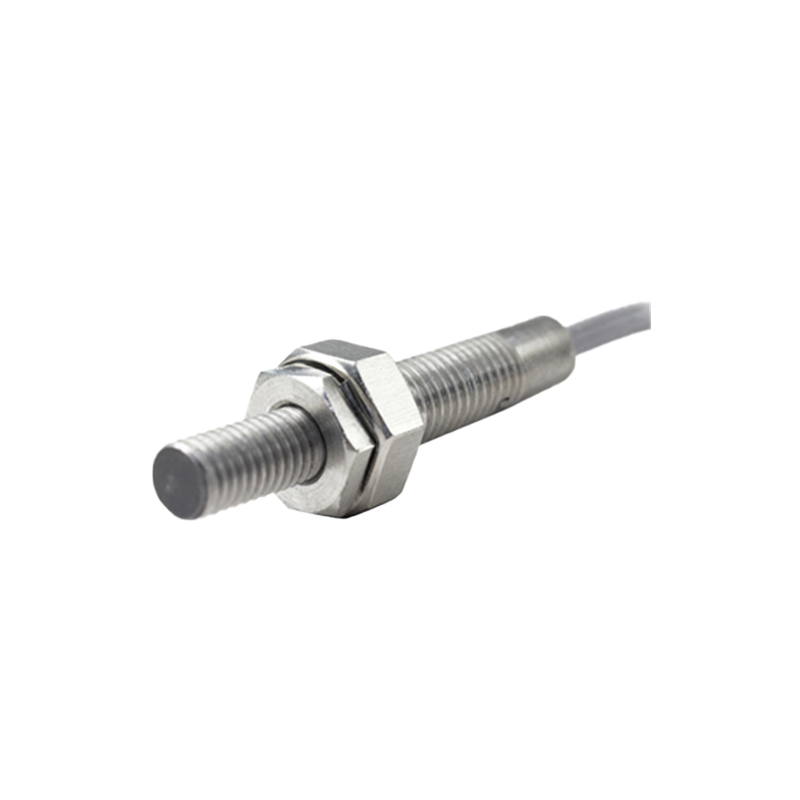
The Role of Protective Accessories and Coatings
Even the most robust sensor can benefit from additional protective measures. A common and highly effective solution is the use of protective caps or covers. These are typically sacrificial wear plates made from ultra-hard materials like tungsten carbide or specially treated steel. They are designed to absorb the direct impact and abrasion, protecting the actual sensor face underneath. When the cap wears out, it can be replaced at a fraction of the cost of a new sensor. Another advanced approach involves applying specialized coatings to the sensor housing. Coatings such as titanium nitride (TiN) or diamond-like carbon (DLC) can dramatically increase surface hardness, reducing friction and significantly extending the operational life in high-wear applications like metal stamping or machining.
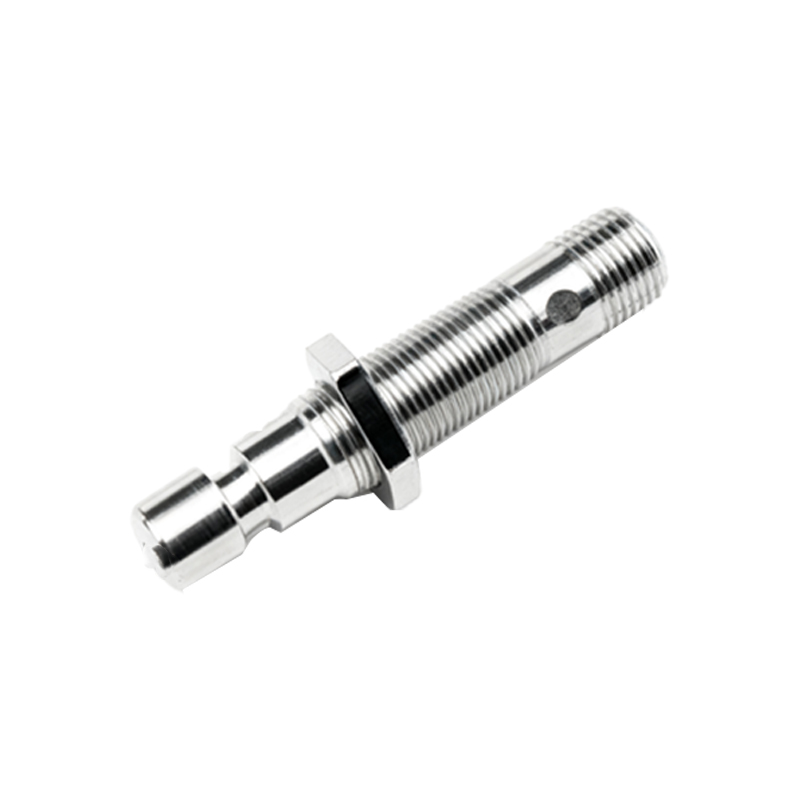
Design Features That Mitigate Mechanical Stress
Intelligent mechanical design is as crucial as material selection. Sensors intended for high-wear applications often incorporate features that minimize direct exposure to stress. Flush or non-flush mountable designs allow the sensor to be recessed into a machine fixture, shielding its sides from lateral impacts. Sensors with a larger "face-to-body" ratio or a more streamlined profile present less surface area for incidental contact. Furthermore, the internal construction must ensure that any external force or vibration is not transmitted to sensitive internal components like the oscillator coil or electronic circuitry. A well-designed sensor dissipates mechanical energy through its housing before it can cause internal damage.
Application-Specific Considerations and Selection
Selecting a wear-resistant proximity sensor requires a detailed analysis of the application. In a metal cutting CNC machine, the primary threat is abrasive metallic swarf. In a lumber mill, impact from wood blocks and abrasion from sawdust are concerns. In material handling, sensors on conveyor lines face repeated impact from packages or totes. Engineers must evaluate the type of wear (abrasion, impact, both), the frequency of contact, the nature of the contacting material, and environmental factors like temperature and coolant exposure. Consulting application guides from reputable sensor manufacturers and, when possible, conducting real-world trials with different sensor models and protective accessories is the best practice for achieving optimal durability and cost-effectiveness.
Maintenance and Monitoring for Long-Term Performance
Proactive maintenance is key to maximizing the service life of even the most durable proximity sensors. Establishing a regular inspection schedule to check for visible wear, cracks, or damage to the sensing face and housing is essential. Monitoring the sensor's performance data, such as its switching frequency or output signal stability, can provide early warnings of degradation before a complete failure occurs. Keeping the sensor and its surrounding area clean from excessive buildup of abrasive debris can prevent accelerated wear. Implementing a predictive maintenance program that tracks sensor lifespan based on historical wear rates in specific applications allows for planned replacements during scheduled downtime, avoiding catastrophic failures.