Understanding Long-Range Photoelectric Sensing
Long-range photoelectric sensors are specialized devices designed to detect objects, measure distances, or monitor presence over extended distances, typically ranging from several meters to over a hundred meters. Unlike standard proximity sensors, these advanced units generate a beam of light—often from a high-power infrared, laser, or modulated LED source—and detect changes in the received light signal. The core principle relies on either the interruption of the beam (through-beam mode) or the reflection of light from a target (retro-reflective or diffuse reflective modes). For achieving long detection ranges, through-beam sensors, where the emitter and receiver are separate units, offer the highest performance and reliability as they utilize the direct, unweakened beam. The ability to operate over vast distances makes them indispensable in scenarios where mounting proximity is impractical or where large-scale monitoring is required.
Key Technologies and Operating Modes
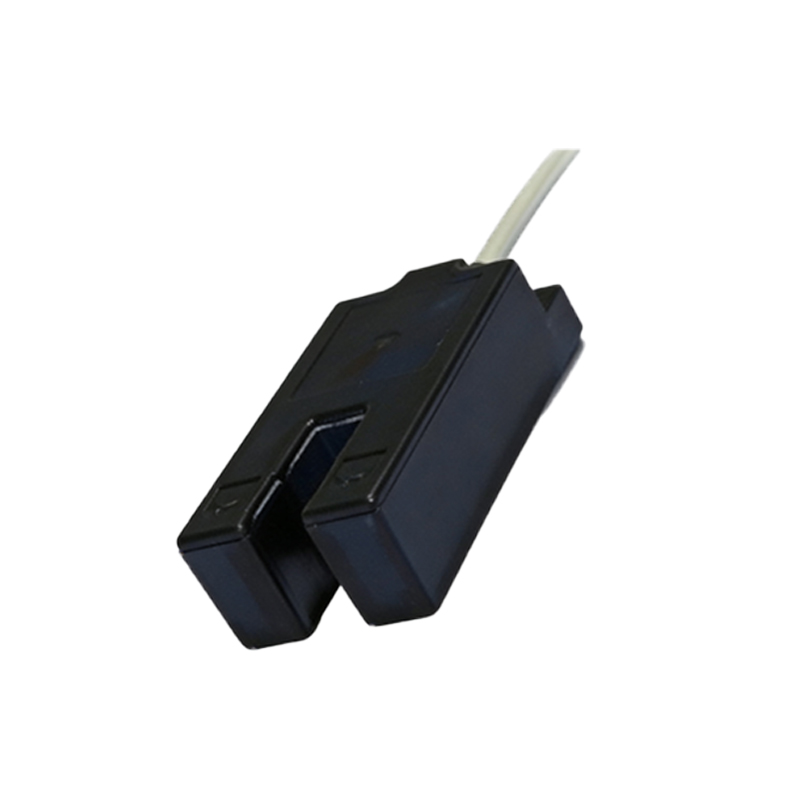
The extended range is made possible by several key technologies. First, the use of highly collimated light sources, such as Class 1 or Class 2 lasers, ensures the beam remains narrow and intense over long distances, minimizing dispersion. Second, advanced modulation techniques are employed, where the emitted light is pulsed at a specific frequency. The receiver is tuned to this same frequency, making the sensor highly immune to ambient light interference from factory lighting or sunlight. Third, high-sensitivity photodetectors and precision optics capture even faint reflected signals. The primary operating modes include Through-Beam (best for long-range, up to 150m+), Retro-Reflective (uses a reflector, ranges up to 30m), and Diffuse Reflective (senses light bounced directly from the target, shorter range but single-unit setup). Time-of-Flight (ToF) and phase-shift measurement principles are also used in some advanced models for precise distance measurement over range.
Critical Factors in Sensor Selection
Selecting the appropriate long-range photoelectric sensor requires careful analysis of the application parameters. The primary factor is the required sensing distance, which dictates the necessary light source power and receiver sensitivity. Beam spot size is another crucial consideration; a smaller spot allows for the detection of very small objects but requires more precise alignment. The target's properties—such as color, material, surface finish (shiny or matte), and size—directly impact performance in reflective modes. Environmental conditions pose significant challenges; sensors must be rated for operation in the presence of dust, fog, steam, vibration, and extreme temperatures. Enclosure ratings (e.g., IP67, IP69K) are vital for washdown or outdoor applications. Finally, output type (PNP/NPN, analog, IO-Link), response time, and connectivity options must align with the control system's requirements.
Overcoming Common Application Challenges
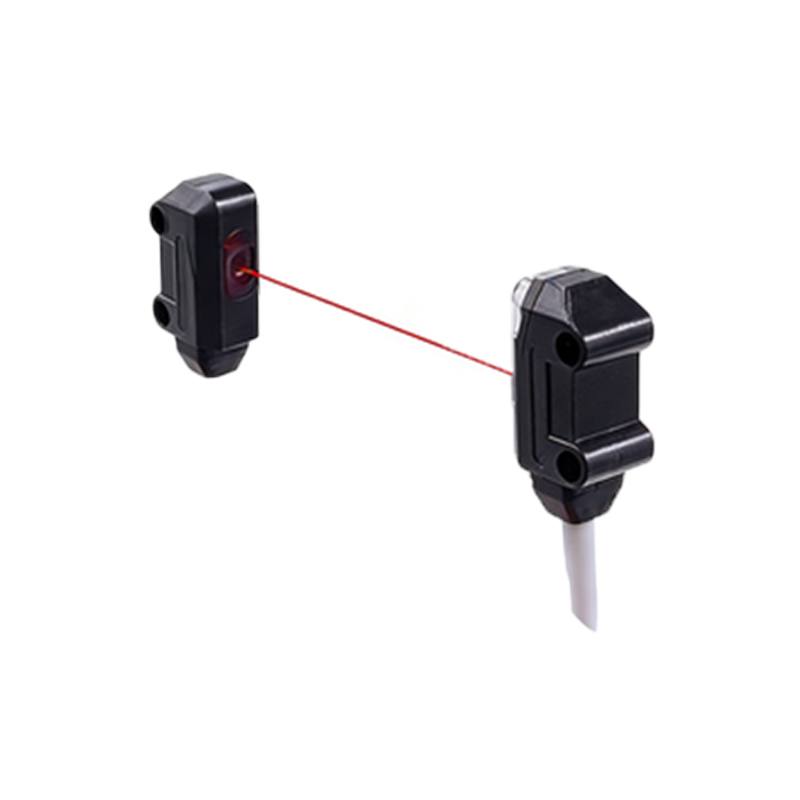
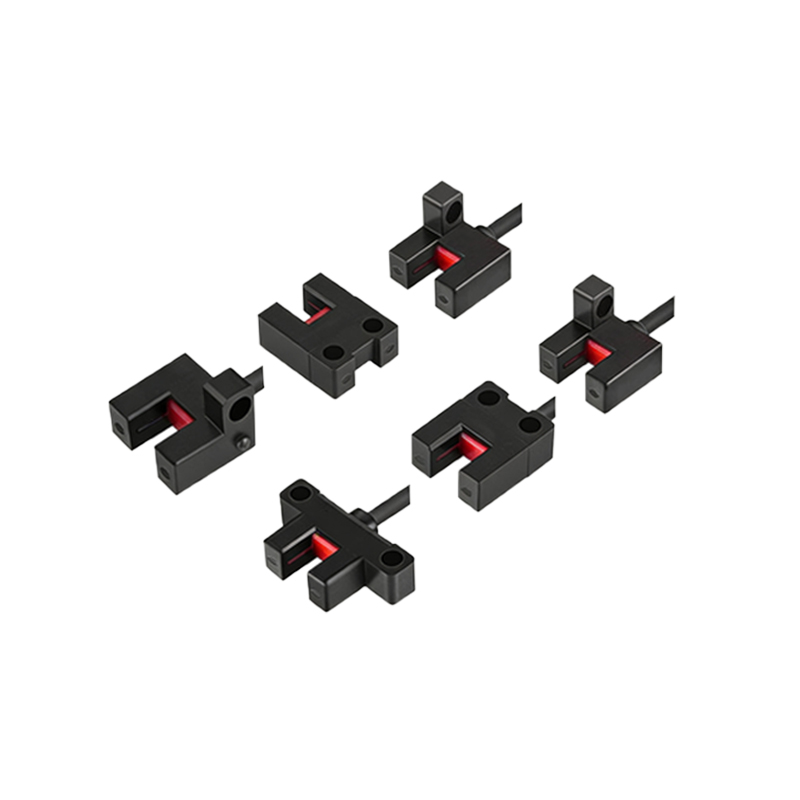
Implementing long-range sensors successfully involves mitigating several common challenges. Alignment over long distances can be difficult; sensors with visible laser beams or built-in alignment indicators greatly simplify this process. Environmental interference, such as heavy dust or fog, can scatter and attenuate the light beam. Choosing sensors with high excess gain (a measure of surplus light energy) and robust modulation techniques is essential. For detecting transparent objects like glass or plastic films, specialized sensors with polarized filters or high-resolution models are necessary to distinguish the target from background reflections. Thermal drift, where performance changes with temperature, is addressed by sensors with advanced temperature compensation circuits. Regular maintenance, including lens cleaning and verification of mounting stability, is also key to sustained reliability.
Industrial Applications and Use Cases
The robustness and range of these sensors unlock numerous applications across industries. In material handling and logistics, they are used for vehicle detection in automated storage and retrieval systems (AS/RS), package presence verification on long conveyor lines, and pallet positioning in high-bay warehouses. In the automotive sector, they monitor the position of vehicles on assembly lines over large work cells. In forestry and lumber, they measure log lengths on infeed decks. In agriculture, they can monitor equipment positions in large fields or grain levels in silos. Safety is another critical domain, where long-range light curtains create perimeter guarding systems for large machinery or hazardous areas. Furthermore, they are integral to traffic management systems for vehicle counting and speed measurement on highways.
Future Trends and Advancements
The evolution of long-range photoelectric sensors is driven by the demands of Industry 4.0 and smart manufacturing. Integration with Industrial Internet of Things (IIoT) platforms is becoming standard, with sensors featuring embedded intelligence, Ethernet connectivity, and protocols like OPC UA for seamless data integration. Advancements in laser diode efficiency and safety are pushing detection ranges even further while maintaining Class 1 safety ratings. The fusion of photoelectric sensing with other technologies, such as LiDAR for 3D profiling over distance, is creating new possibilities for automation. Additionally, the development of "smart" sensors with advanced diagnostics—capable of reporting lens contamination, signal strength degradation, or predictive maintenance alerts—is enhancing system uptime and reducing total cost of ownership, solidifying their role in the automated factories of the future.