Introduction to Proximity Sensor Applications
Proximity sensors are indispensable components in modern industrial automation and control systems. These non-contact devices detect the presence or absence of an object within a specific range, triggering an output signal without physical contact. Their reliability, speed, and durability make them superior to mechanical limit switches in countless applications. The core technologies include inductive, capacitive, ultrasonic, and photoelectric sensors, each suited to different materials and environmental conditions. The widespread adoption of these sensors is a key driver behind the efficiency, safety, and precision of contemporary manufacturing and processing. This article explores the primary industries where proximity sensors are deployed in high volumes, forming the backbone of automated operations.
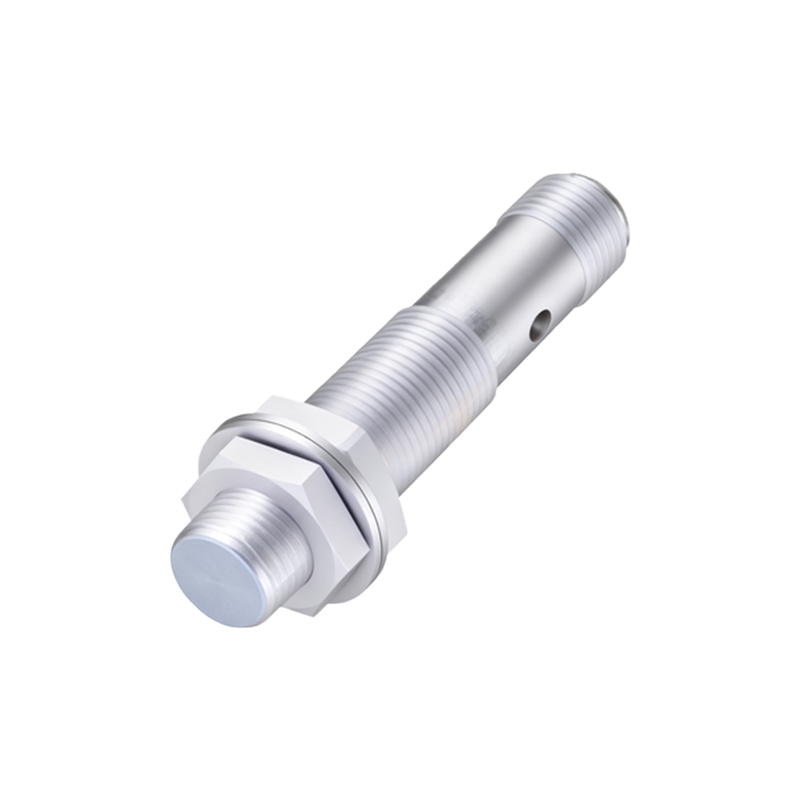
Automotive Manufacturing and Assembly
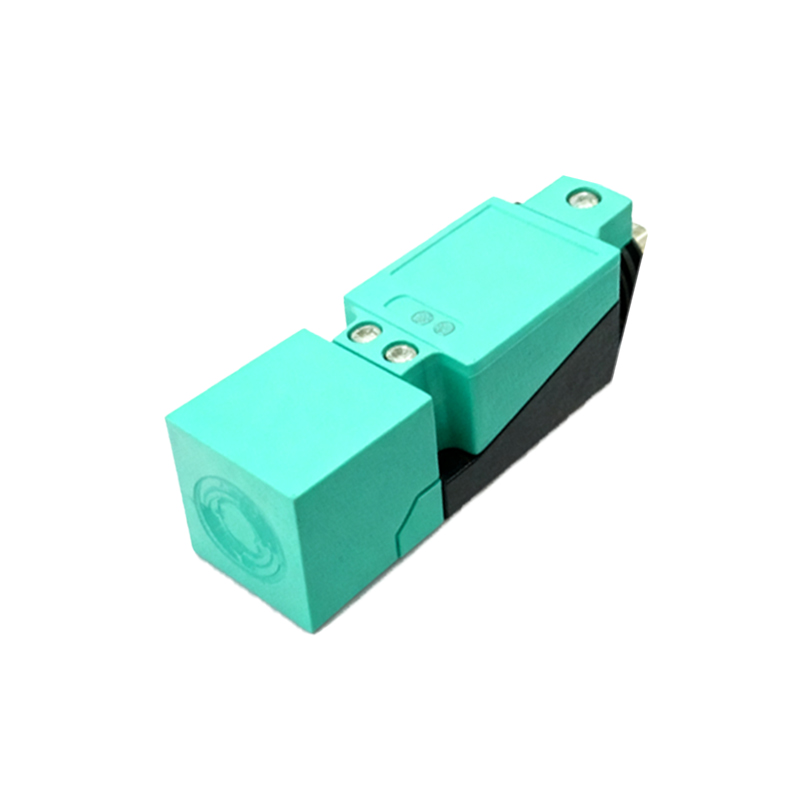
The automotive industry is arguably the largest consumer of proximity sensors. In highly automated production lines, these sensors are critical for ensuring precision, speed, and safety. They are used extensively in robotic welding arms to confirm the correct positioning of car body panels before a weld is made. On assembly lines, inductive sensors count components, verify the placement of parts like engines and doors, and monitor the position of conveyor pallets. Capacitive sensors can detect non-metallic materials such as fluids, plastics, and glass, ensuring proper windshield installation or fluid level checks in reservoirs. The relentless push for zero-defect manufacturing and just-in-time production makes the reliability of proximity sensors non-negotiable in this sector.
Packaging and Material Handling
Efficiency in packaging and material handling is directly tied to the use of sensing technology. Proximity sensors here perform vital functions like object detection, counting, and positioning on high-speed conveyor systems. Photoelectric sensors are often used to detect the presence of boxes, bottles, or cans, triggering downstream actions like labeling, filling, or sorting. In automated storage and retrieval systems (AS/RS), sensors ensure precise positioning of cranes and confirm the presence of pallets on racks. They also play a safety role by detecting jams or misaligned products, preventing damage to machinery and products. The demand for faster throughput and reduced downtime makes this industry a heavy user of robust and fast-responding proximity sensors.
Food and Beverage Processing
The food and beverage industry presents unique challenges, including stringent hygiene standards, washdown environments, and the handling of diverse organic materials. Here, proximity sensors must often be built from stainless steel and have high ingress protection (IP) ratings. They are used to detect the level of liquids or granular materials in tanks and silos, control filling machines, and verify the presence of caps or labels on containers. Capacitive sensors can detect substances like milk, juice, or flour through non-metallic container walls. On processing lines, they ensure proper positioning of food items for cutting, slicing, or packaging. Their role in maintaining consistent quality and preventing contamination is crucial for both safety and regulatory compliance.
Metalworking and Machine Tooling
In metalworking, proximity sensors are fundamental for machine control and tool protection. They are integrated into CNC machines, lathes, milling machines, and stamping presses. Inductive sensors, ideal for detecting metals, are used for tool wear monitoring, verifying the presence of a workpiece in a chuck or fixture, and ensuring the correct position of slides and turrets. They provide end-of-travel detection for moving parts, preventing collisions and damage. In stamping presses, sensors confirm that a metal sheet is correctly positioned before the press cycle begins, a critical safety function. The high-precision and high-speed nature of modern machining demands sensors with exceptional repeatability and resistance to metallic debris and coolants.
Pharmaceutical and Medical Device Manufacturing
Precision and sterility are paramount in pharmaceutical production. Proximity sensors in this field must often comply with cleanroom standards and be easy to sanitize. They are employed in automated systems that handle vials, syringes, and blister packs. Sensors verify counts, check for proper sealing, and control precise filling operations of potent liquids or powders. In medical device assembly, tiny sensors ensure microscopic components are present and correctly aligned before bonding or welding. Their non-contact nature eliminates the risk of contamination from mechanical parts, making them ideal for aseptic processes. The high value of the products and the critical need for accuracy justify the extensive use of high-grade sensors.
Conclusion and Future Trends
The adoption of proximity sensors is a clear indicator of an industry's automation maturity. From the high-volume automotive sector to the precision-critical pharmaceutical field, these devices enable smarter, safer, and more efficient operations. Emerging trends like Industry 4.0 and the Industrial Internet of Things (IIoT) are further expanding their role. Modern sensors with IO-Link capability can provide