What is Minimum Sensing Distance?
In photoelectric sensing technology, the minimum sensing distance is a critical performance parameter. It refers to the shortest possible distance between the sensor's optical face and the target object at which the sensor can reliably detect the object. This distance is not zero; there is always a finite standoff required for the emitted light beam to properly form and for the receiver to effectively distinguish the signal from the target against background noise or internal reflections. Exceeding this minimum distance can lead to unreliable operation, false triggers, or even damage to the sensor's optical components. Understanding and adhering to this specification is fundamental for ensuring system reliability and longevity in any automated application.
Factors Influencing the Minimum Distance

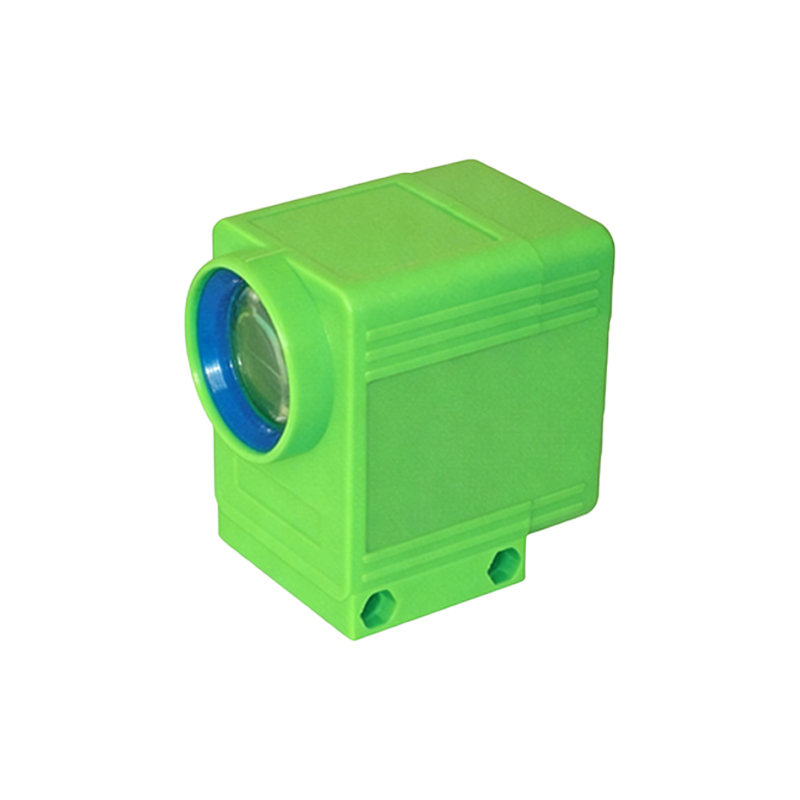
Several key factors determine the minimum sensing distance of a photoelectric sensor. The primary factor is the sensor's operating principle: diffuse, retro-reflective, or through-beam. Diffuse sensors, which rely on light reflected directly from the target, typically have the shortest minimum distances, often in the range of a few millimeters. Retro-reflective sensors require a slightly greater distance to differentiate the target from the reflector. Through-beam sensors, with separate emitter and receiver units, have a minimum distance defined by the physical housing and lens design of the emitter. Other influencing factors include the lens focal point, the size and reflectivity of the target, and the presence of protective windows or environmental seals that might slightly offset the effective optical plane.
Technical Specifications and Datasheet Interpretation
Manufacturers specify the minimum sensing distance in the product's technical datasheet. It is often listed as "Minimum Sensing Distance" or "Stand-off Distance." For diffuse sensors, this value is usually given for a standard target, such as a 90% reflective white Kodak card. It is crucial to consult the datasheet for the specific conditions under which this minimum distance is valid. Engineers must note that using a darker or smaller target, or operating in a dusty environment, may effectively increase the practical minimum distance required for stable detection. Ignoring these conditions can lead to application failures during commissioning or production.
Consequences of Violating the Minimum Distance
Operating a photoelectric sensor closer than its specified minimum distance can have several negative consequences. The most common issue is unstable switching or "chatter," where the output rapidly turns on and off. This occurs because the receiver is saturated by an overly intense, unfocused reflection, making it unable to properly process the signal. In severe cases, particularly with powerful sensors, placing a highly reflective target too close can cause physical damage to the sensor's receiver element due to excessive light energy. Furthermore, it can lead to premature wear and increased maintenance costs, undermining the efficiency of the production line.
Application Considerations and Best Practices
Successful integration requires careful planning around the minimum distance. During the mechanical design phase, ensure that fixtures, guides, or product carriers cannot physically push the target into the sensor's prohibited zone. For applications where targets vary in size or position, selecting a sensor with a shorter minimum distance or a background suppression (BGS) function can provide more flexibility. A best practice is to always mount the sensor with a safety margin—installing it a few millimeters farther than the absolute minimum specified. This accounts for mechanical tolerances, vibration, and potential buildup of contaminants on the sensor face over time.
Comparing Sensor Types for Close-Range Applications
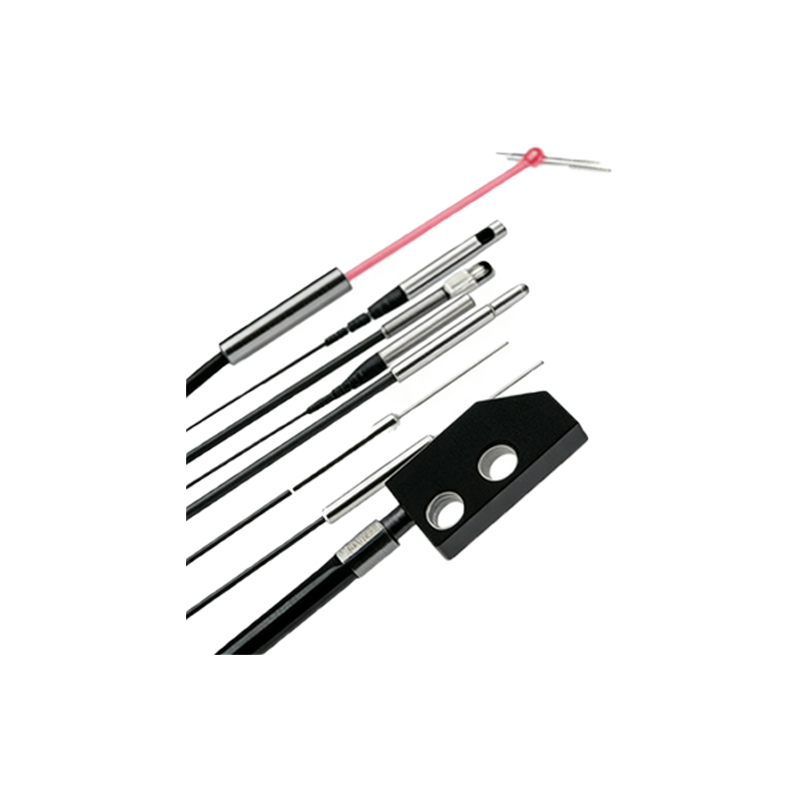
When the application requires detection at very close ranges, the choice of sensor type is paramount. For sub-10mm distances, miniature diffuse sensors or specialized proximity-mode sensors are often the best solution. Contrast sensors, designed to detect minute differences in reflectivity at close range, also feature very short minimum distances. Fiber optic sensors, with their separate amplifier and small-diameter fibers, offer exceptional flexibility for tight spaces and can be configured for extremely close detection, as the minimum distance is defined by the fiber tip, not a bulky housing.
Conclusion and Key Takeaways
The minimum sensing distance is a non-negotiable specification in photoelectric sensor selection and application. It is determined by the sensor's optical design and operating principle. Adherence to this parameter prevents operational instability, protects the hardware investment, and ensures consistent detection performance. Always reference the manufacturer's datasheet, consider the actual target and environmental conditions, and incorporate a safety margin during installation. By respecting the minimum distance, engineers can build robust, reliable, and maintenance-friendly sensing systems that form the dependable eyes of modern industrial automation.