Understanding Dark Photoelectric Sensors
Dark photoelectric sensors, also known as dark-on or light-interrupted sensors, operate on a fundamental principle opposite to that of their more common counterpart, the light-on sensor. In a standard through-beam or retro-reflective setup, the receiver detects the presence of the emitted light beam. A dark sensor is configured so that the output signal is activated (turns ON) only when the light beam from the transmitter to the receiver is interrupted or blocked by an object. Under normal, unblocked conditions, the receiver is illuminated, and the sensor's output remains in its inactive (OFF) state. This "dark operate" logic is crucial in applications where detecting an absence or an obstruction is the primary goal, offering inherent fail-safe characteristics for certain safety or process monitoring functions.
Core Operating Principles and Configurations
The functionality of dark sensors is implemented across the main types of photoelectric sensing modes. In a through-beam dark sensor, the separate transmitter and receiver are aligned. The output switches ON when an object breaks the beam. In a retro-reflective dark sensor, the transmitter and receiver are housed together, aiming at a reflector. The output activates when an object blocks the beam's path to and from the reflector. For diffuse (proximity) sensors, the logic can often be switched between light-on and dark-on via configuration. Here, a dark-on setting means the output triggers when the target object is present, as it reflects sufficient light back to the receiver to exceed the set threshold, simulating an "interruption" of the background state.
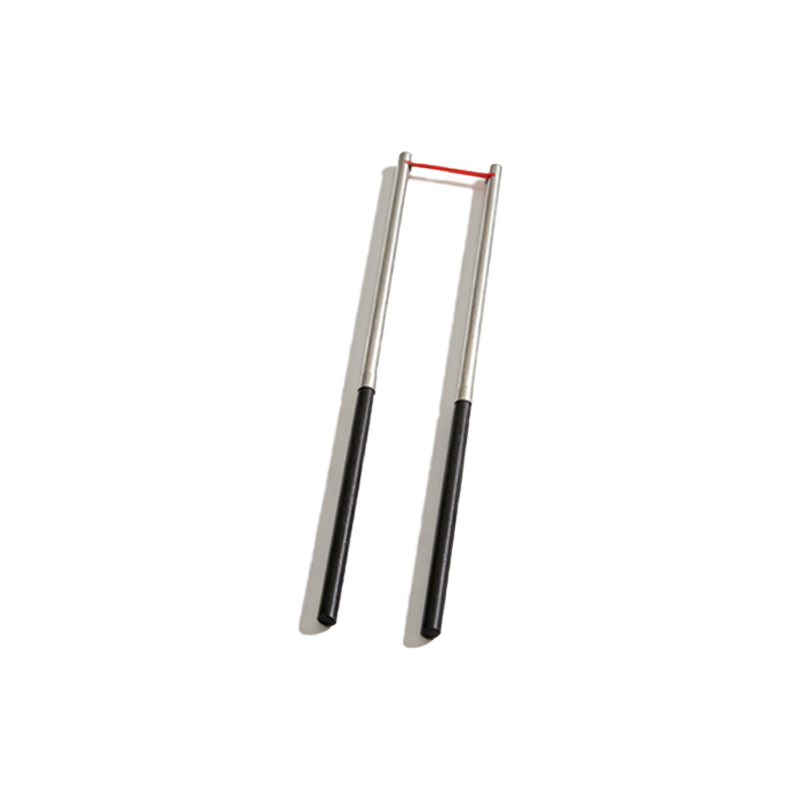
Key Advantages in Industrial Settings
The primary advantage of a dark photoelectric sensor is its inherent fail-safe design for detection of beam breakage. If the sensor's light source fails, the cable is cut, the power is lost, or the reflector becomes dirty or misaligned, the receiver will see no light. This condition mimics an object blocking the beam, causing the output to activate. This can be programmed to trigger an alarm or stop a machine, preventing unsafe operations. This is particularly valuable in safety curtains, guarding systems, and critical process monitoring where a failure must lead to a safe state. Furthermore, in environments with consistent background interference or ambient light, a dark-on logic can sometimes provide more stable detection by ignoring constant light sources.
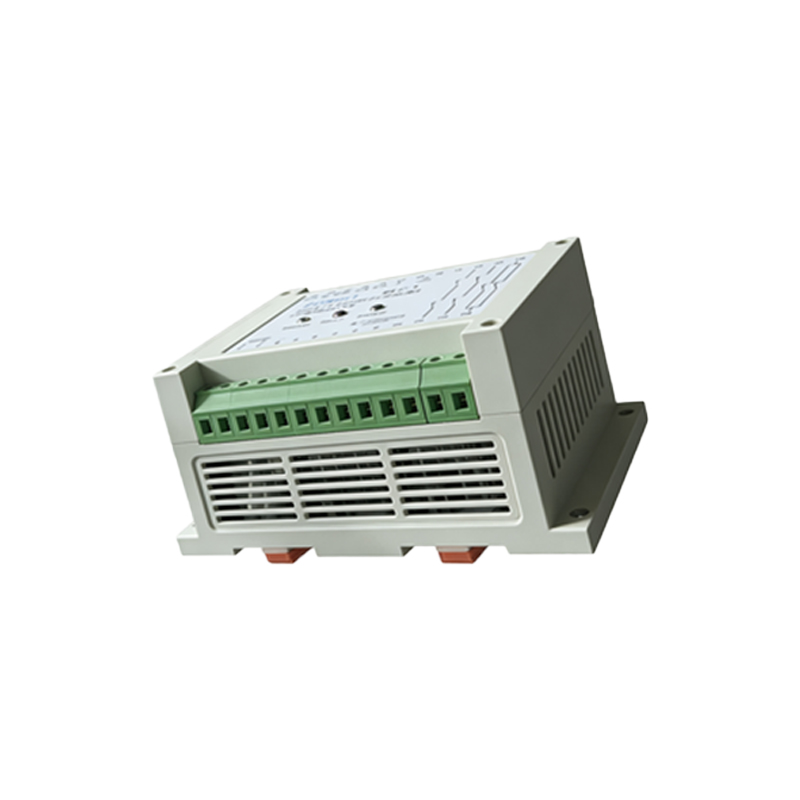
Common Applications and Use Cases
Dark photoelectric sensors are indispensable in numerous automation scenarios. A classic application is in material break detection on production lines. A sensor's beam is trained across a web of material—such as paper, plastic film, or textiles. If the material breaks, the beam is restored, triggering the dark sensor's output to signal the break. They are also used in overfill prevention; a beam across the top of a bin or tank will be interrupted when material reaches that level, signaling to stop filling. In packaging, they verify the presence of an object inside a box by checking if the beam is blocked. Safety light curtains exclusively use dark operation: any interruption of multiple beams indicates an intrusion and commands the machine to halt.
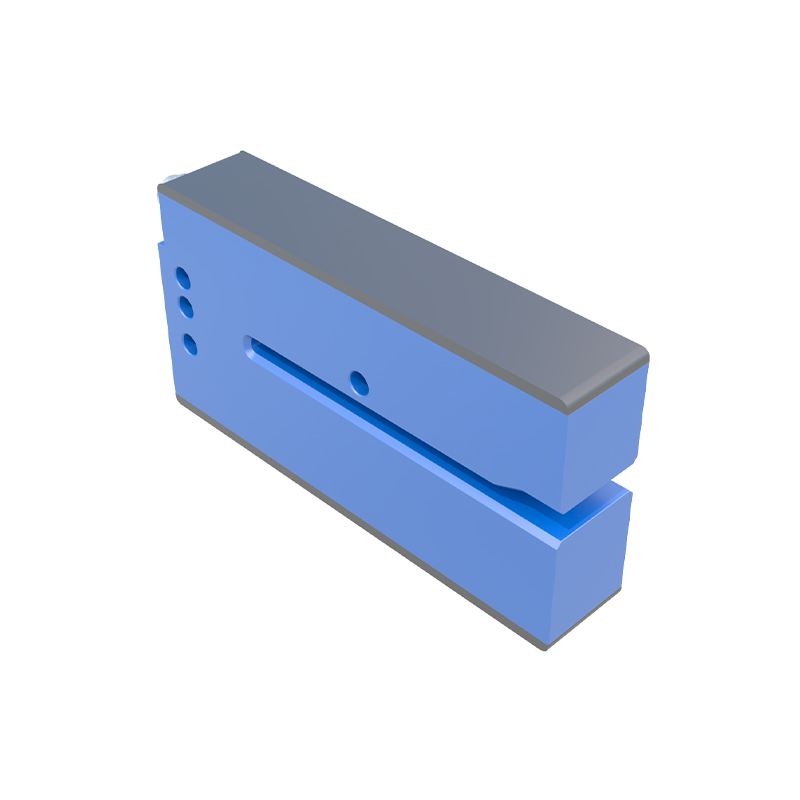
Critical Selection Criteria and Installation Tips
Selecting the correct dark sensor requires careful analysis. First, determine the required sensing mode: through-beam for long-range, reliable detection; retro-reflective for easier alignment; or diffuse for detecting objects without a reflector. Consider the sensing distance with a sufficient safety margin. The response time must be fast enough for the application speed. Environmental factors are paramount: choose models with appropriate IP (Ingress Protection) ratings for dust and water resistance, and NEMA ratings for harsh industrial environments. For outdoor use, select sensors with robust housings and coatings to withstand temperature extremes, weather, and UV exposure. Electrical output type (PNP/NPN, relay, analog) must match the control system input. Finally, always ensure precise alignment during installation and perform regular maintenance checks to ensure the lens and reflector remain clean for reliable dark operation.
Integration with Control Systems and Troubleshooting
Integrating a dark sensor typically involves connecting its output to a PLC (Programmable Logic Controller) digital input. The logic within the PLC program must account for the dark-on operation; an active input means the beam is blocked. Common troubleshooting issues include false triggers from ambient light, which can be mitigated by using modulated light sensors, installing shades, or adjusting sensitivity. Intermittent operation often stems from poor alignment, vibration, or a dirty lens/reflector. If a sensor is constantly in the "object detected" state, verify that the beam path is clear, check for power, and inspect for physical damage. Understanding the expected state—light received (OFF) vs. light blocked (ON)—is the key to efficient diagnostics.