Introduction to Photoelectric Sensing Technology
Photoelectric sensors are indispensable components in modern industrial automation, enabling non-stop, reliable detection of objects without physical contact. These devices operate by emitting a light beam—typically infrared, visible red, or laser—and detecting changes in the received light intensity caused by the presence, absence, or characteristics of a target object. The core principle relies on the photoelectric effect, where light energy is converted into an electrical signal. This technology excels in applications demanding high-speed, precise, and continuous operation, forming the backbone of countless automated systems in manufacturing, packaging, material handling, and automotive assembly lines. Their ability to function in harsh environments, coupled with long operational lifespans, makes them a preferred choice for engineers designing resilient and efficient production processes.
Key Operating Principles and Modes
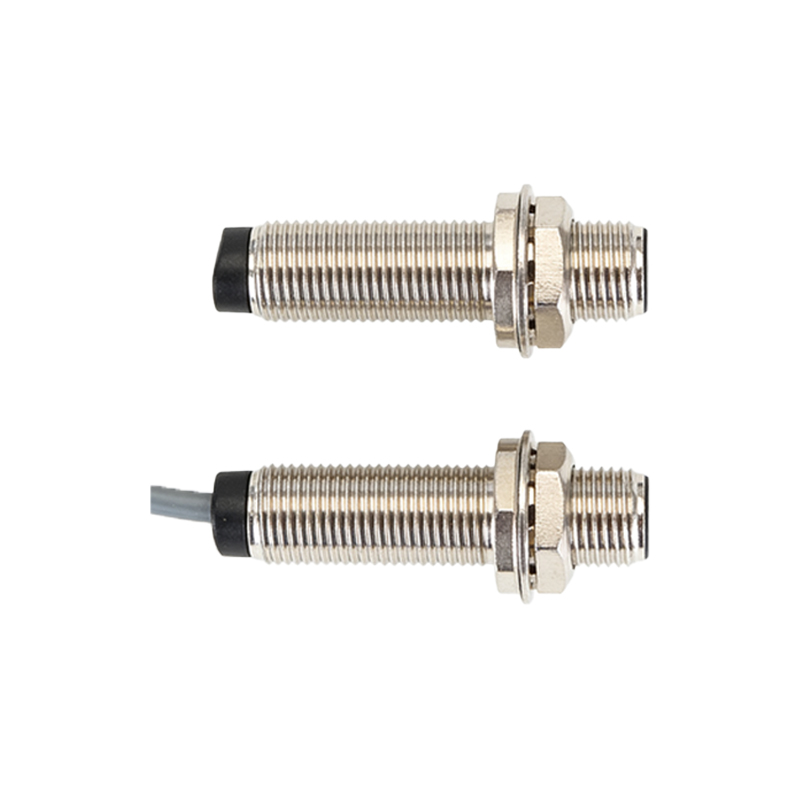
Photoelectric sensors primarily function in three distinct modes: through-beam, retro-reflective, and diffuse reflective. Through-beam sensors consist of separate emitter and receiver units. The emitter projects a light beam directly to the receiver. An object is detected when it interrupts this beam. This mode offers the longest sensing range and highest reliability, ideal for precise detection in high-speed or dirty environments. Retro-reflective sensors house both emitter and receiver in a single housing. The emitted beam is directed toward a reflector, which bounces the light back to the receiver. Detection occurs when an object blocks this reflected beam. Diffuse reflective sensors also integrate the emitter and receiver. They detect an object by measuring the light scattered back from the target itself. Each mode has its advantages; through-beam is most accurate, retro-reflective simplifies alignment, and diffuse reflective requires no separate reflector, offering installation flexibility for non-stop systems.
Advantages for Continuous Operation
The non-stop capability of photoelectric sensors stems from several inherent advantages. First, their non-contact nature eliminates mechanical wear and tear, ensuring longevity and reducing maintenance downtime. They can detect a vast array of materials—metals, plastics, glass, liquids, and even transparent films—at incredibly high speeds, often in the microsecond range. This allows for real-time monitoring and control on fast-moving production lines. Modern sensors feature advanced diagnostics, such as teach-in functions and IO-Link communication, which facilitate quick setup, remote parameter adjustment, and predictive maintenance. This minimizes unplanned stoppages. Furthermore, robust housings with high Ingress Protection (IP) ratings shield them from dust, moisture, and vibration, guaranteeing consistent performance in demanding 24/7 industrial settings.
Critical Selection Criteria
Selecting the right photoelectric sensor for a non-stop application requires careful consideration of multiple parameters. Sensing range is paramount; it must accommodate the required working distance. The target's properties—size, color, material, and surface finish—directly influence the choice of light source and mode. A shiny metal object may require a polarized retro-reflective sensor to avoid false triggers, while a clear glass bottle might need a precise through-beam laser sensor. Environmental factors like ambient light, temperature extremes, and the presence of contaminants (dust, steam, oil) dictate the need for specialized housings and light modulation techniques. Response time must match the line speed. Finally, the output type (PNP/NPN, analog, or IO-Link) must integrate seamlessly with the existing programmable logic controller (PLC) system to ensure uninterrupted data flow and control.
Implementation in Non-Stop Systems
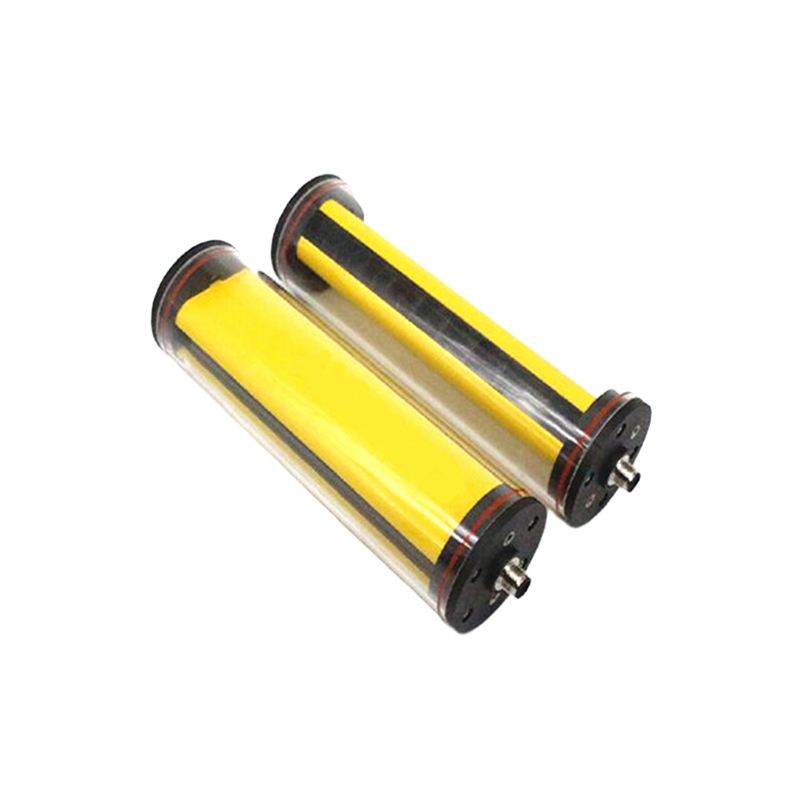
In practice, photoelectric sensors are deployed throughout non-stop production ecosystems. In packaging, they count bottles, verify cap placement, and control label application without halting the conveyor. In automotive assembly, they ensure robotic arms pick and place components with millimeter precision. On high-speed bottling lines, they detect fill levels and container presence. In material handling, they provide position feedback for automated guided vehicles (AGVs) and palletizers. Their role in quality control is critical; they can identify missing components, check for assembly errors, and inspect print marks, rejecting faulty products in real-time. Strategic placement, proper alignment, and integration with safety light curtains and area scanners further enhance system reliability, creating a seamless, uninterrupted flow from raw material to finished product.
Maintenance and Troubleshooting for Uptime
While designed for durability, maintaining peak sensor performance is key to sustaining non-stop operation. A proactive maintenance schedule includes regular lens cleaning to prevent buildup that attenuates the light signal. Periodic verification of alignment, especially for through-beam and retro-reflective types, is crucial as machinery vibration can cause drift. Monitoring the sensor's stability indicator (often an LED) helps identify marginal conditions before a failure occurs. Common issues include false triggers from reflective backgrounds (solved by using background suppression sensors), optical crosstalk in dense installations (addressed by proper spacing or using modulated light), and signal degradation due to dirty environments. Utilizing sensors with built-in diagnostics and IO-Link connectivity allows for remote monitoring of operating hours, temperature, and signal strength, enabling predictive maintenance and swift troubleshooting to maximize overall equipment effectiveness (OEE).
Future Trends and Innovations
The evolution of photoelectric sensors is tightly coupled with Industry 4.0 and the Industrial Internet of Things (IIoT). Future sensors will boast even higher intelligence and connectivity. Enhanced precision with laser-based triangulation will allow for exact distance measurement and profile detection. Multi-pixel technology will enable shape recognition and complex object differentiation. The integration of artificial intelligence at the edge will allow sensors to make autonomous decisions, such as adaptive threshold setting based on changing conditions. Energy-harvesting capabilities may lead to wireless, battery-free sensors for flexible installation. Furthermore, increased resilience to extreme environmental interference and miniaturization will open new applications in electronics and pharmaceutical manufacturing. These advancements will solidify the role of photoelectric sensors as the eyes of truly autonomous, non-stop smart factories.