Understanding the Regulatory Landscape
The manufacturing of proximity sensors, critical components in automation, robotics, and safety systems, is governed by a stringent framework of international certifications and standards. These are not merely optional accolades but essential prerequisites for market access, legal compliance, and customer trust. A manufacturer's adherence to these protocols validates product reliability, safety, and performance under specified conditions. For engineers and procurement specialists, understanding these credentials is key to selecting components that ensure system integrity and longevity. The landscape is complex, involving general quality management, specific product safety, and regional electromagnetic compatibility mandates.
ISO 9001: The Foundation of Quality Management
At the core of any reputable manufacturing operation is the ISO 9001 certification. This international standard specifies requirements for a quality management system (QMS). For a proximity sensor producer, certification demonstrates a consistent ability to provide products that meet customer and regulatory requirements. It focuses on process efficiency, continuous improvement, and risk-based thinking. An ISO 9001-certified facility has documented procedures for design control, purchasing, production, inspection, and corrective action. This systemic approach minimizes defects, ensures traceability, and builds a foundation for implementing more specific technical standards, making it the fundamental credential for any serious manufacturer.
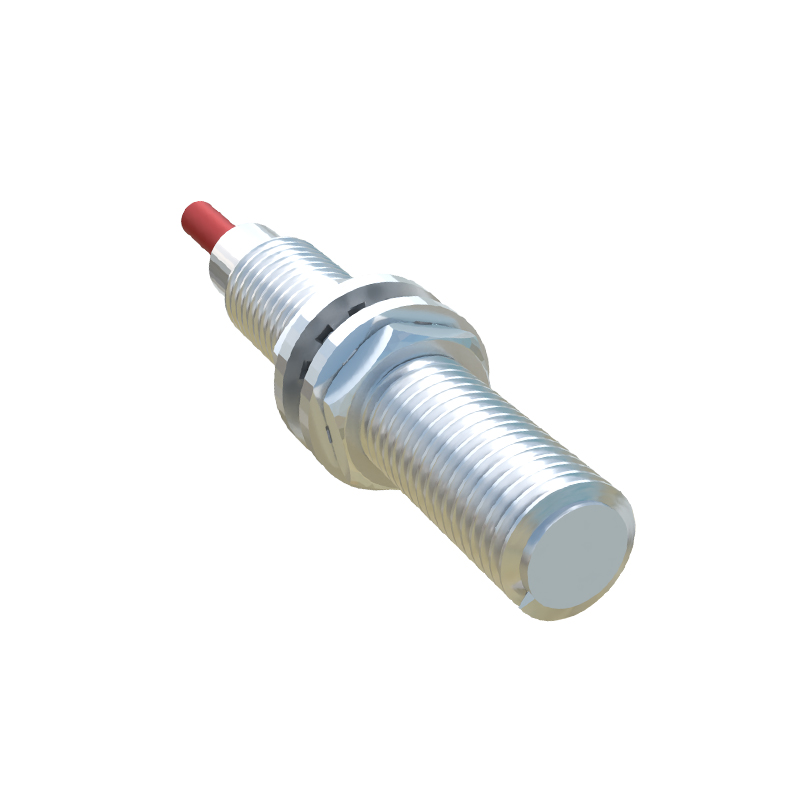
Product Safety and Performance Standards: IEC/EN 60947-5-2
The most directly applicable technical standard for inductive, capacitive, and ultrasonic proximity sensors is IEC/EN 60947-5-2. This standard, titled "Low-voltage switchgear and controlgear - Part 5-2: Control circuit devices and switching elements - Proximity switches," defines essential characteristics. It covers aspects such as rated operational distance, hysteresis, repeat accuracy, response frequency, and protection against incorrect wiring. Compliance, often verified by an independent Notified Body, ensures the sensor's electrical and mechanical performance is reliable and predictable. It also includes testing for durability (mechanical and electrical endurance) and environmental conditions like temperature and humidity, providing engineers with guaranteed operational parameters.
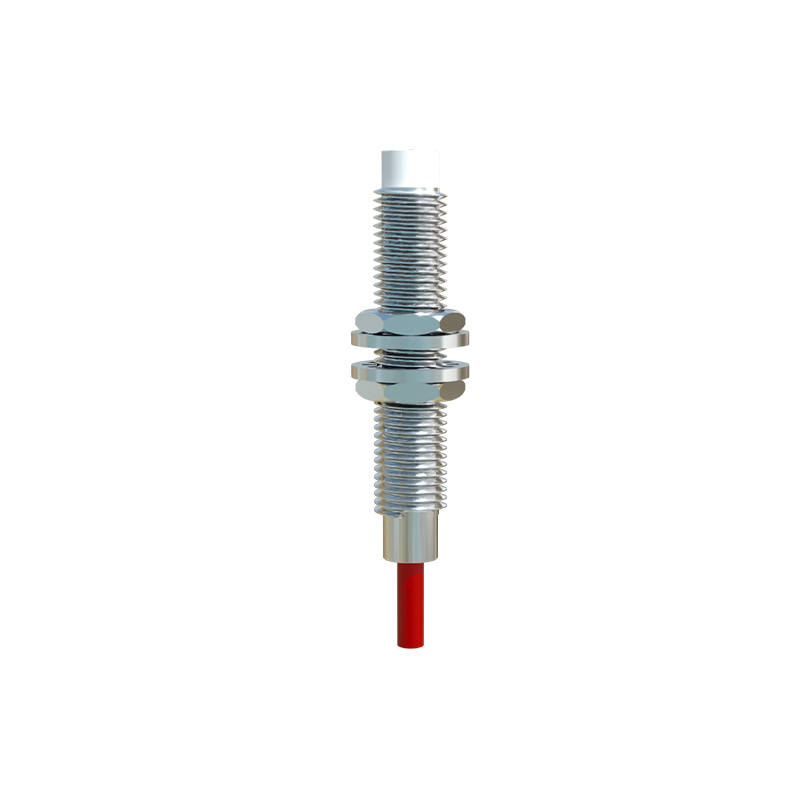
Electromagnetic Compatibility (EMC): IEC/EN 61000-6-2 and IEC/EN 61000-6-4
Proximity sensors operate in electrically noisy industrial environments. Electromagnetic Compatibility (EMC) standards are therefore critical. Manufacturers must design products that are both immune to interference and do not emit excessive electromagnetic noise. The key standards are IEC/EN 61000-6-2 (immunity standard for industrial environments) and IEC/EN 61000-6-4 (emission standard for industrial environments). Certification to these standards proves the sensor will function correctly amidst noise from motors, drives, and welding equipment, and will not disrupt other sensitive electronics. Testing involves rigorous checks for electrostatic discharge, radiated immunity, and conducted disturbances.
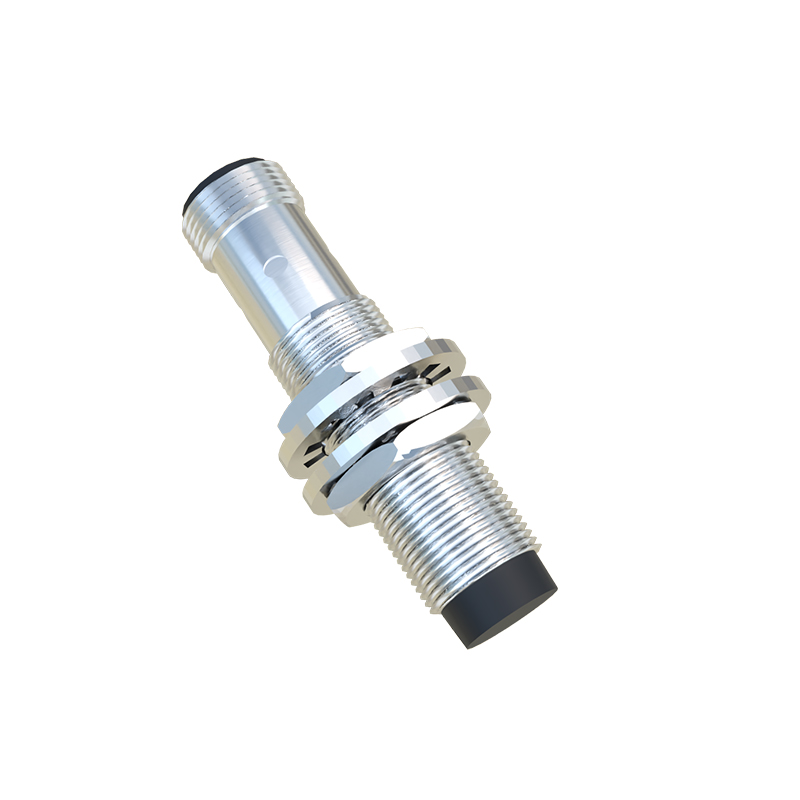
Regional and Industry-Specific Certifications
Beyond international IEC standards, regional certifications are often legally mandatory. In Europe, the CE marking indicates conformity with health, safety, and environmental protection directives, including the EMC Directive and the Low Voltage Directive. For North America, common marks include UL (Underwriters Laboratories) or cULus, which indicate compliance with U.S. and Canadian safety standards. For use in hazardous locations where explosive atmospheres may exist (like oil refineries or chemical plants), certifications such as ATEX (EU) or IECEx (International) for intrinsic safety or explosion-proof designs are non-negotiable. Additionally, specific industries like automotive (IATF 16949) or railway (EN 50155) may require further stringent quality and performance audits.
The Role of Material and Process Certifications
The quality of a proximity sensor is also dictated by the materials and components used. Leading manufacturers require certificates of conformity (CoC) or material test reports for raw materials like PBT or stainless steel housings, and for electronic components. Processes such as soldering may need to comply with IPC-A-610 standards. For sensors used in food and beverage or pharmaceutical applications, certifications like FDA compliance or EHEDG approval for materials may be necessary to ensure they can be cleaned appropriately and will not contaminate products. This granular level of certification ensures durability and suitability for specialized applications.
Conclusion: Due Diligence in Supplier Selection
Specifying proximity sensors requires technical and regulatory due diligence. Engineers and buyers should proactively request and verify certification documents from manufacturers. A credible supplier will readily provide declarations of conformity, test reports from accredited laboratories, and certificates for their quality management system. Prioritizing suppliers with a comprehensive portfolio of up-to-date certifications mitigates project risk, prevents costly system failures, and ensures seamless integration into global markets. Ultimately, these credentials are not just paperwork; they are a transparent record of