Introduction to the 258N Photoelectric Sensor
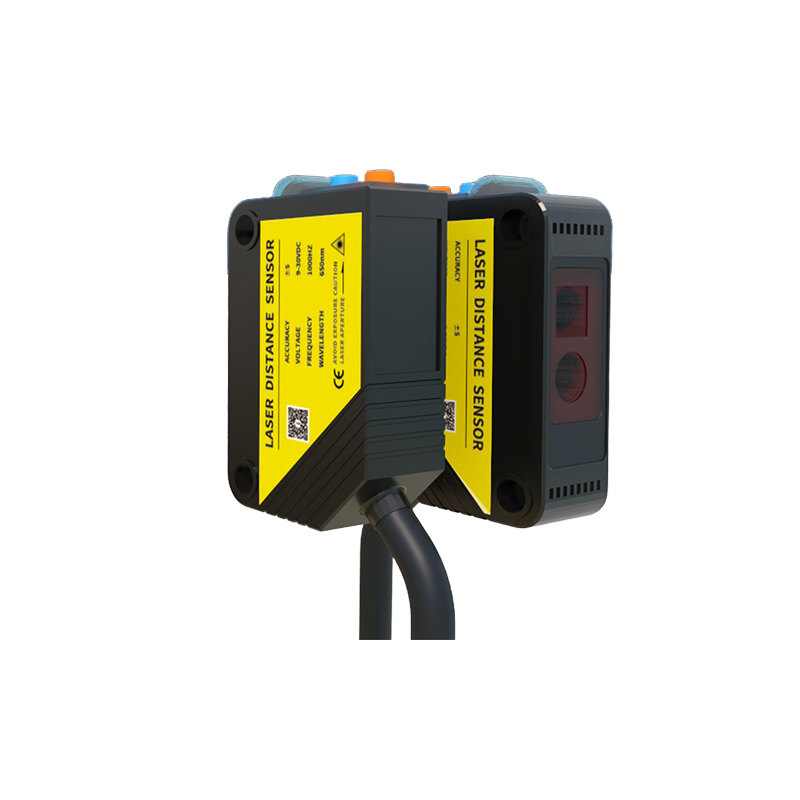
The 258N photoelectric sensor stands as a cornerstone component in modern industrial automation and control systems. Designed for reliability and precision, this sensor family utilizes advanced optical technology to detect the presence, absence, or position of objects without physical contact. Its core principle involves an emitter that projects a light beam—typically infrared, red, or laser—and a receiver that detects changes in this beam caused by an interrupting object. The 258N series is engineered to perform consistently in demanding environments, offering solutions for diverse applications from packaging and material handling to assembly and safety systems. Its robust construction and versatile sensing modes make it an indispensable tool for engineers seeking to enhance efficiency, safety, and process accuracy on the factory floor.
Key Technical Specifications and Operating Principles
Understanding the technical parameters of the 258N sensor is crucial for optimal application. These sensors are characterized by specific sensing ranges, which can vary from short-distance precision detection to longer-range applications, often exceeding several meters for certain diffuse reflective models. They operate on standard industrial voltage supplies, commonly 10-30V DC, ensuring compatibility with most control systems. The output is typically a solid-state transistor (NPN or PNP) or a relay contact, providing a clear signal to Programmable Logic Controllers (PLCs). A critical specification is the response time, measured in milliseconds, which determines how quickly the sensor can detect a change and relay the signal, essential for high-speed production lines. The housing is usually built from rugged materials like nickel-plated brass or stainless steel, offering high degrees of ingress protection (e.g., IP67) against dust and water jets.
Primary Sensing Modes: Through-Beam, Retroreflective, and Diffuse
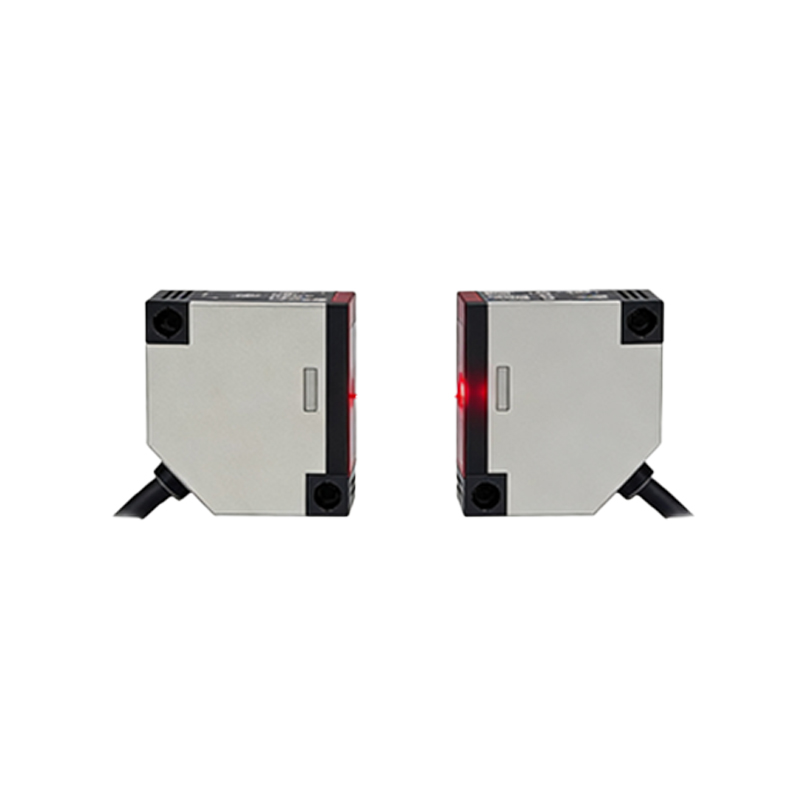
The 258N series is available in three fundamental operating modes, each suited for different scenarios. Through-beam (or opposed) mode involves separate emitter and receiver units placed opposite each other. Detection occurs when an object breaks the beam. This mode offers the longest sensing distance and highest reliability, ideal for precise detection of small or transparent objects. Retroreflective mode uses a single unit containing both emitter and receiver, along with a reflector. The sensor detects an object when it interrupts the beam reflected back from the reflector. It provides a good balance of range and ease of installation. Diffuse (or proximity) mode relies on the reflection of light directly from the target object itself. The sensor and object are on the same side, making installation simple, though sensing distance and performance can be affected by the object's color, texture, and reflectivity.
Advanced Features and Configuration Options
Modern 258N sensors incorporate sophisticated features to tackle complex sensing challenges. Many models come with built-in sensitivity adjustment potentiometers or teach-in functions, allowing fine-tuning on-site to ignore background objects or detect challenging materials. Background suppression technology is a key advancement, enabling the sensor to ignore objects beyond a set distance, even if they are highly reflective. Contrast sensors, a subset, can differentiate between colors or marks. Furthermore, models with a built-in timing function (on-delay, off-delay, one-shot) provide simple logic control without additional PLC programming. For connectivity, options include quick-disconnect M8 or M12 connectors, facilitating easy wiring and maintenance. These features collectively enhance the sensor's adaptability and intelligence within a networked industrial ecosystem.
Typical Industrial Applications and Use Cases
The versatility of the 258N photoelectric sensor finds application across virtually every industry. In packaging machinery, they are used for counting products, detecting fill levels, and verifying label presence. On conveyor systems, they provide precise position sensing for sorting, indexing, and jam detection. In automotive assembly, these sensors ensure parts are present and correctly positioned before a robotic weld or assembly step. They are also pivotal in safety systems, forming light curtains or presence-sensing mats to protect personnel. Additional applications include detecting transparent bottles in beverage lines, monitoring stack height in palletizing, and ensuring correct paper feed in printing presses. The right model selection ensures reliable operation despite environmental challenges like dust, steam, or vibration.
Installation, Alignment, and Maintenance Best Practices
Correct installation is paramount for the reliable operation of any 258N sensor. For through-beam sensors, precise alignment of the emitter and receiver is critical; a laser sighting beam available in many models greatly aids this process. Sensors should be mounted securely to minimize vibration-induced misalignment. When using retroreflective sensors, ensure the reflector is clean and properly aligned. For diffuse sensors, consider the target's properties and maintain the recommended sensing distance. Electrical wiring must follow manufacturer guidelines, paying attention to polarity, load current, and proper shielding in electrically noisy environments. Routine maintenance involves periodically cleaning the lens with a soft cloth to remove dust, oil, or debris that could attenuate the light beam. Regularly checking the alignment and output signal integrity helps prevent unplanned downtime.
Troubleshooting Common Issues and Challenges
Even robust sensors like the 258N can encounter issues. Intermittent operation or failure to detect often stems from misalignment, a dirty lens, or an insufficiently reflective target. Electrical problems, such as incorrect voltage, wiring faults, or excessive load current, can also cause failures. Environmental factors like heavy ambient light (sunlight or strobes), airborne contaminants, or extreme temperatures may interfere with operation. Systematic troubleshooting involves verifying power supply, inspecting and cleaning optical components, checking alignment, and confirming the output signal with a multimeter or PLC input indicator. Understanding the sensor's indicator LEDs is vital, as they typically show power status, output activation, and stability. Consulting the sensor's datasheet for specific error indications and environmental ratings is always recommended.
The Future of Photoelectric Sensing and Industry 4.0 Integration
The evolution of sensors like the 258N is closely tied to the rise of Industry 4.0 and the Industrial Internet of Things (IIoT). Future iterations are expected to feature enhanced connectivity through IO-Link, which enables detailed parameter setting, remote monitoring, and predictive maintenance data transmission directly to control systems. Smarter sensors with integrated diagnostics will provide real-time health status, warning of lens contamination or gradual misalignment before a failure occurs. Furthermore, miniaturization and increased resistance to harsh conditions will expand their application scope. As factories become more connected and data-driven, the humble photoelectric sensor transforms from a simple switch into an intelligent node in a vast network, providing critical data for optimizing entire production processes.